

Most gasoline cars have one spark plug per cylinder, so a four-cylinder car usually has four spark plugs.
The question “does how many spark plugs does a car have” sounds simple, but the answer depends on the engine type, cylinder count, and ignition design. This guide explains how to find the correct number, why some engines use extra plugs, and how spark plug problems can affect your car.
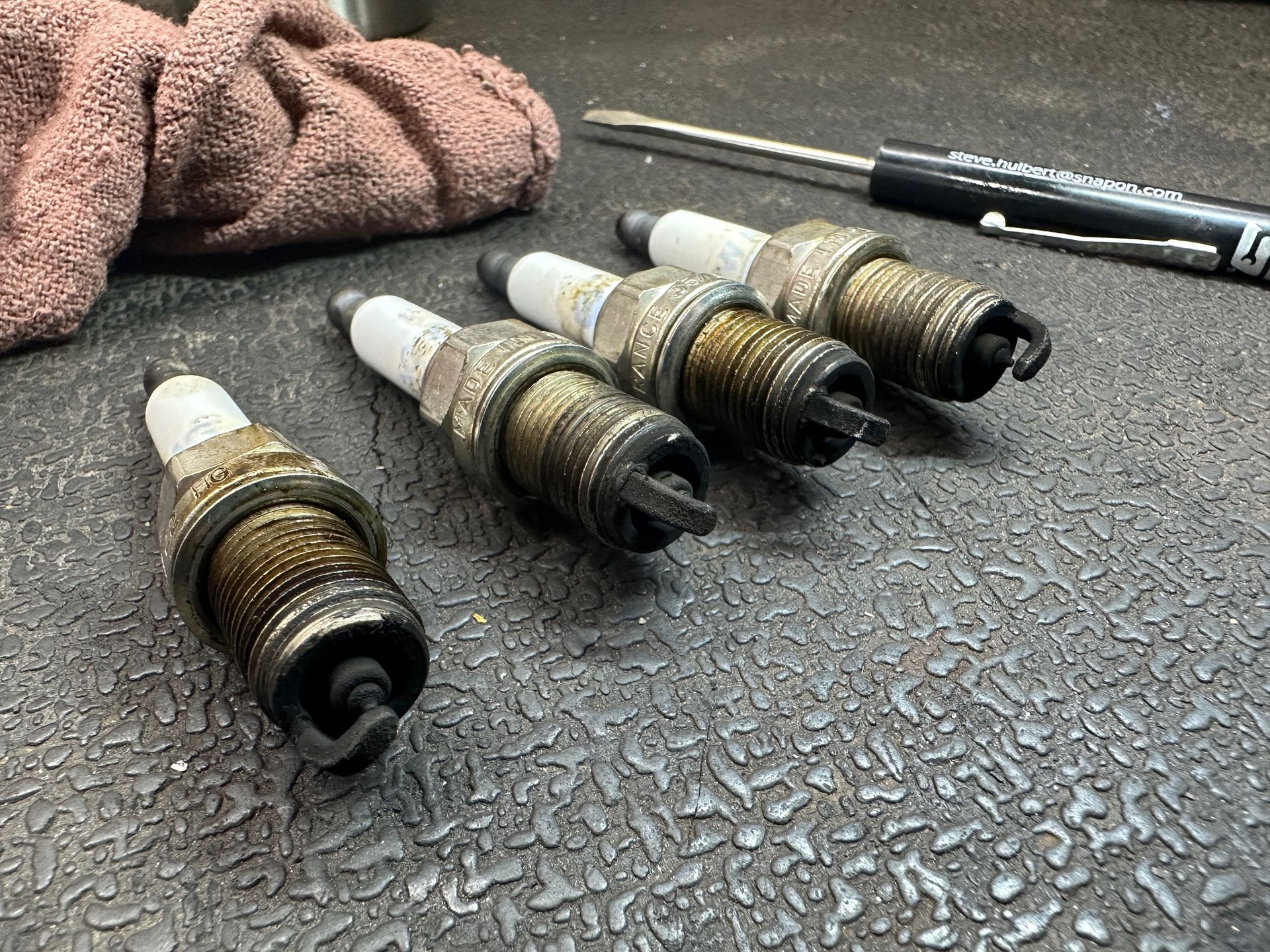
How many spark plugs does a car have?
Most gasoline-powered cars have one spark plug for each engine cylinder. The spark plug creates the small spark that ignites the air and fuel mixture inside the cylinder.
So, the basic rule is:
• A three-cylinder engine usually has three spark plugs.
• A four-cylinder engine usually has four spark plugs.
• A six-cylinder engine usually has six spark plugs.
• An eight-cylinder engine usually has eight spark plugs.
This is the clearest answer to “does how many spark plugs does a car have?” Count the cylinders in the gasoline engine, and you can usually count the spark plugs.
However, this rule does not apply to every vehicle. Diesel engines do not use spark plugs for ignition. Some gasoline engines use two spark plugs per cylinder. Rotary engines also follow a different design.

Spark plugs and engine cylinders
A spark plug sits at the top of a gasoline engine cylinder. It receives high voltage from the ignition system and sends a spark into the combustion chamber.
That spark lights the compressed air and fuel mixture. The burning mixture expands and pushes the piston down. This movement turns the crankshaft and helps move the car.
Think of each cylinder as a small power chamber. Each chamber needs its own spark plug unless the engine uses a special ignition system. This is why the number of spark plugs usually matches the number of cylinders.
For example, a 2.0-liter four-cylinder engine normally has four spark plugs. Engine size alone does not tell you the number of plugs. A 3.0-liter engine might have four, six, or even another cylinder layout.
This detail matters when asking, “does how many spark plugs does a car have?” Engine displacement and cylinder count are not the same thing.
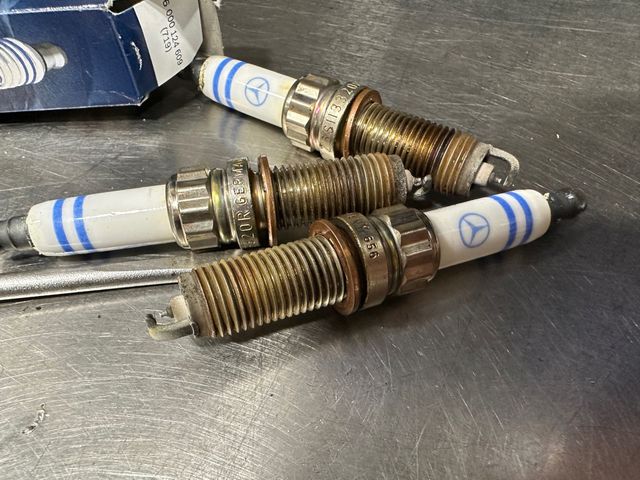
Common spark plug counts by engine type
The following examples cover many common passenger vehicles:
| Engine type | Usual number of spark plugs |
|---|---|
| Three-cylinder gasoline engine | 3 |
| Four-cylinder gasoline engine | 4 |
| Five-cylinder gasoline engine | 5 |
| Six-cylinder gasoline engine | 6 |
| Eight-cylinder gasoline engine | 8 |
| Twelve-cylinder gasoline engine | 12 |
| Twin-spark four-cylinder engine | 8 |
| Diesel engine | 0 spark plugs |
A four-cylinder engine is common in compact cars, sedans, small SUVs, and many hybrid vehicles. Six-cylinder engines often appear in larger SUVs, trucks, and performance cars.
Some luxury and performance engines use a twin-spark design. In that setup, each cylinder has two spark plugs. A four-cylinder twin-spark engine, therefore, has eight spark plugs.
The best answer to “does how many spark plugs does a car have” always starts with the engine design, not just the vehicle’s size or brand.
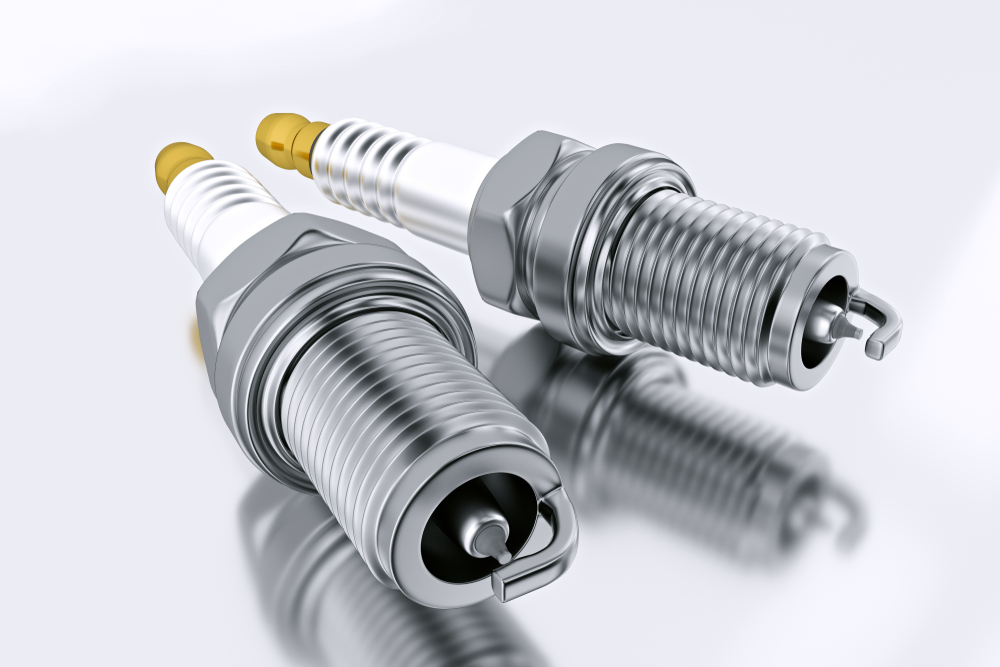
Do diesel cars have spark plugs?
Diesel cars do not use spark plugs. A diesel engine ignites fuel through high compression rather than an electric spark.
Diesel engines may use glow plugs. Glow plugs help warm the combustion chamber during cold starts. They do not work like gasoline spark plugs, and they do not provide a spark to ignite the fuel.
This difference often causes confusion. A diesel engine may have one glow plug per cylinder, but it still has zero spark plugs.
If you are asking “does how many spark plugs does a car have” about a diesel vehicle, the answer is usually none. Instead, the engine may have four, six, or another number of glow plugs based on its cylinder count.
Glow plug problems can cause:
• Hard starting in cold weather
• White or gray exhaust smoke after startup
• Rough running for the first few minutes
• A glow plug warning light
• Longer cranking time
Always check the owner’s manual before ordering replacement parts. Spark plugs and glow plugs are different parts with different testing methods.
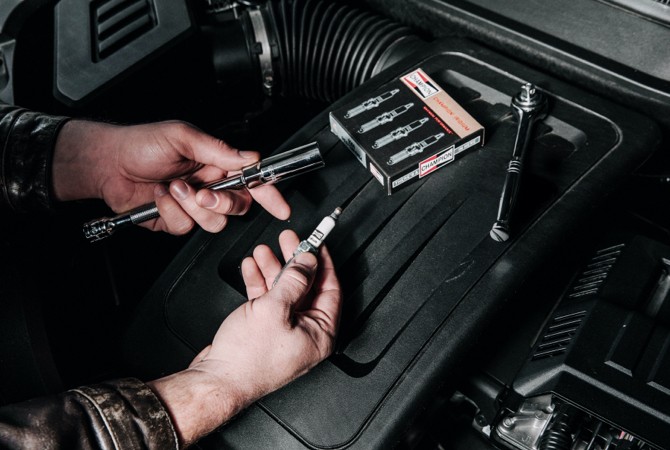
Do hybrid cars use spark plugs?
Many hybrid cars use spark plugs because they still have a gasoline engine. The electric motor does not need spark plugs, but the gasoline engine does.
For example, a hybrid with a four-cylinder gasoline engine will often have four spark plugs. A hybrid with a six-cylinder engine will often have six.
A plug-in hybrid follows the same rule. Its gasoline engine may sit unused during short trips, but it still needs spark plugs when the engine starts and runs.
A fully electric vehicle has no gasoline engine. It has no spark plugs, fuel injectors, or exhaust system. This is another key point when answering “does how many spark plugs does a car have?”

What is a twin-spark engine?
A twin-spark engine uses two spark plugs in each cylinder. The two plugs may fire together or at carefully timed points, depending on the engine design.
Engineers use twin-spark systems to improve flame spread inside the combustion chamber. Better combustion can support smoother running, strong power, and lower emissions.
For example:
• A four-cylinder twin-spark engine has eight spark plugs.
• A six-cylinder twin-spark engine has twelve spark plugs.
• An eight-cylinder twin-spark engine has sixteen spark plugs.
Twin-spark engines are less common than standard single-plug designs, but they are important exceptions. If you replace spark plugs without checking the engine specifications, you could buy only half of the required parts.
The phrase “does how many spark plugs does a car have” cannot be answered correctly without checking whether the engine uses one plug or two plugs per cylinder.

How to find the exact number of spark plugs in your car
You do not need to remove parts to find the correct spark plug count. Use these simple steps:
Check the owner’s manual. Look for the engine specifications or maintenance section.
Find the engine cylinder count. The manual, vehicle identification label, or manufacturer information may list it.
Check for a twin-spark design. Search the exact engine code, not only the vehicle model.
Look at the maintenance parts list. It may show the total number of spark plugs required.
Ask a trusted parts store or repair shop. Give them the vehicle identification number, engine size, model year, and engine type.
Inspect the engine only if you know what you are looking for. Some ignition coils or plug wires sit under covers.
The vehicle identification number is especially useful because one model may come with several engines. A 2020 sedan, for example, might be sold with a four-cylinder engine in one trim and a six-cylinder engine in another.
When people ask, “does how many spark plugs does a car have,” they often provide only the make and model. That information may not be enough to identify the correct part count.

Signs that your spark plugs may need replacement
Spark plugs wear over time. The center electrode becomes smaller, the gap can widen, and deposits may build on the tip.
Common symptoms include:
• Engine misfires
• Rough idling
• Slow acceleration
• Poor fuel economy
• Hard starting
• A flashing or steady check engine light
• Reduced engine power
• Increased exhaust emissions
A worn spark plug is not always the main cause of these symptoms. Ignition coils, fuel injectors, vacuum leaks, sensors, and low engine compression can cause similar problems.
A check engine light that flashes usually means the engine is misfiring badly. Continued driving can damage the catalytic converter. Reduce engine load and have the car checked as soon as possible.
One practical lesson from routine vehicle maintenance is simple: do not replace every ignition part just because the engine runs poorly. Test the fault first. A proper scan, visual inspection, and plug examination can prevent wasted money.
How often should spark plugs be changed?
Spark plug replacement intervals vary by vehicle and plug type. Older standard copper plugs may need replacement sooner than modern iridium or platinum plugs.
Many vehicles use intervals in the range of:
• About 20,000 to 40,000 miles for some standard plugs
• About 60,000 to 100,000 miles for many platinum or iridium plugs
• A different interval when specified by the manufacturer
These numbers are general examples, not universal rules. The owner’s manual is the most reliable guide.
Driving conditions can also affect plug life. Frequent short trips, heavy traffic, dusty roads, towing, and engine problems may increase wear or create deposits.
Changing spark plugs at the correct interval can help maintain smooth combustion. It does not guarantee better fuel economy if the old plugs are still working well, but severely worn plugs can reduce performance.
Can you replace only one spark plug?
You can replace one spark plug if one plug is damaged or fails. However, many technicians recommend replacing the full set when the plugs have similar age and mileage.
Replacing all plugs at once helps keep the ignition system consistent. It also avoids paying for labor again soon after the first repair.
There are exceptions. If a recently installed plug is damaged by a manufacturing defect, replacing only that plug may be reasonable. If one plug is fouled, the cause should be diagnosed before installing a new one.
Possible causes of a fouled spark plug include:
• A leaking fuel injector
• Excess engine oil in the combustion chamber
• A weak ignition coil
• An incorrect air and fuel mixture
• Poor engine compression
• The wrong spark plug type
A new plug may fix the symptom for a short time, but it will not fix the underlying problem.
How to choose the correct spark plug
Spark plugs are not universal. The correct plug must match the engine’s design and the manufacturer’s specifications.
Important details include:
• Thread diameter
• Thread length
• Heat range
• Electrode material
• Reach
• Gap specification
• Seat type
• Resistor design
Never choose a plug based only on appearance. Two plugs may look similar but have different heat ranges or thread lengths.
The wrong plug can cause misfires, poor performance, thread damage, or contact with internal engine parts. Check the owner’s manual or a trusted catalog using the vehicle identification number.
Spark plug gap also matters. Some plugs come pre-gapped, but the gap should still be checked with the proper gauge. Follow the manufacturer’s instructions, especially with fine-wire iridium plugs.
Common mistakes when changing spark plugs
Spark plug replacement is often manageable for a skilled home mechanic, but small mistakes can create expensive damage.
Avoid these errors:
• Working on a hot engine
• Installing the wrong plug
• Dropping dirt into the plug opening
• Over-tightening the plug
• Leaving a plug too loose
• Pulling ignition coils by the wiring
• Forgetting to reconnect a coil
• Using anti-seize when the manufacturer does not recommend it
• Ignoring a damaged coil boot
• Failing to check the final engine operation
Always clean the area around each plug before removal. Dirt can fall into the cylinder when the plug is removed.
Use a torque wrench when possible. Too much tightening force can damage aluminum cylinder head threads. Too little force can allow heat to escape or loosen the plug.
A careful, clean process is more important than speed. Spark plug work is a small job, but the engine depends on each plug firing at the right time.
Why the number of spark plugs matters
Knowing the correct spark plug count helps with maintenance planning and parts purchases. It also helps you understand the engine’s ignition system.
If your car has six cylinders and a normal single-plug design, you need six spark plugs. If it has a twin-spark system, you need twelve. If it is diesel, you need glow plugs instead.
The answer to “does how many spark plugs does a car have” can also help you spot an incomplete repair. If a repair estimate lists four plugs for a twin-spark six-cylinder engine, something may be wrong.
The number of plugs does not show the full health of an engine. A car can have the correct number of new spark plugs and still suffer from poor compression, fuel problems, or ignition faults.
Frequently Asked Questions About How Many Spark Plugs a Car Has
Does every gasoline car have one spark plug per cylinder?
Most gasoline cars do have one spark plug per cylinder. Some engines use two spark plugs per cylinder, so checking the exact engine design is important.
How many spark plugs does a four-cylinder car have?
A standard four-cylinder gasoline car usually has four spark plugs. A four-cylinder twin-spark engine can have eight.
Does a six-cylinder car always have six spark plugs?
A typical six-cylinder gasoline engine has six spark plugs. A twin-spark six-cylinder engine has twelve, while a diesel six-cylinder engine has no spark plugs.
Do electric cars have spark plugs?
Fully electric cars do not have spark plugs because they do not burn gasoline. They use electric motors powered by batteries.
Are glow plugs the same as spark plugs?
No. Glow plugs help diesel engines start by producing heat, while spark plugs ignite the air and fuel mixture in gasoline engines with an electric spark.
Can I count the spark plugs by counting ignition coils?
Often, but not always. Many modern engines use one ignition coil per spark plug, while some use coil packs or other layouts, so the coil count may not match the plug count.
How do I know which spark plugs fit my car?
Use the owner’s manual, the vehicle identification number, or a trusted parts catalog. Confirm the plug type, heat range, thread size, reach, and gap before installation.
Conclusion
Most gasoline cars have one spark plug per cylinder, but twin-spark engines use two per cylinder, diesel engines use glow plugs, and electric cars use none. The most reliable way to answer “does how many spark plugs does a car have” is to check the engine type, cylinder count, and manufacturer specifications.
Use the correct plug, follow the service interval, and investigate misfires instead of guessing. Check your owner’s manual or vehicle identification number before buying parts, then share your vehicle details in the comments if you want help finding the correct spark plug count.
