

Most drivers can add refrigerant to a car with the right gauge kit, but a leak check must come first.
Learning how to put freon in car air conditioning can restore cool air on a hot day, but the process is more than attaching a can and pulling a trigger. Modern vehicles use different refrigerants, operate under high pressure, and may need leak repairs or professional recovery equipment. This guide explains how to put freon in car systems safely, how to avoid costly mistakes, and when a certified technician should handle the job.
What “Freon” Means in a Car
“Freon” is a common word for automotive refrigerant. Many older cars use R-134a, while many newer vehicles use R-1234yf. Some very old vehicles may use R-12, but it has been phased out and is not suitable for most modern cars.
Refrigerant absorbs heat from the cabin air. The compressor moves it through the system, while the condenser, expansion device, and evaporator help change its pressure and temperature. If the refrigerant level is too low, the air conditioner may blow warm air.
Before learning how to put freon in car air conditioning, check the label under the hood. It often lists:
• The correct refrigerant type
• The total system charge
• The oil type
• Safety warnings
Never mix R-134a and R-1234yf. They use different fittings, oils, and service methods. Using the wrong product can damage the air conditioning system and create a serious safety risk.

Check Whether the System Really Needs Refrigerant
Warm air does not always mean low refrigerant. A weak blower motor, blocked cabin air filter, failed compressor clutch, bad fuse, stuck blend door, or damaged condenser can cause a similar symptom.
Run these simple checks before deciding how to put freon in car systems:
Start the engine and let it idle in a ventilated outdoor area.
Set the air conditioner to the coldest setting.
Select recirculation mode.
Set the blower to medium or high.
Check whether the compressor engages.
Look for visible damage around hoses, fittings, and the condenser.
The compressor clutch may click when it engages. Some newer vehicles use variable compressors, so they may not make the same clear click. If the compressor never runs, adding refrigerant may not solve the problem.
A low refrigerant charge usually points to a leak. Car air conditioning systems are sealed, so refrigerant should not disappear during normal use. A recharge may improve cooling for a short time, but the refrigerant will escape again if the leak remains.
A useful rule is simple: topping off is not a true repair. It is only a temporary step unless the cause of the low charge is found and fixed.
Tools and Supplies You Need
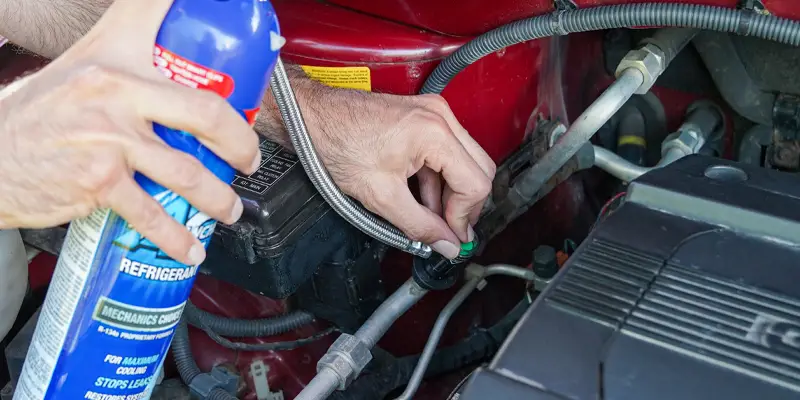
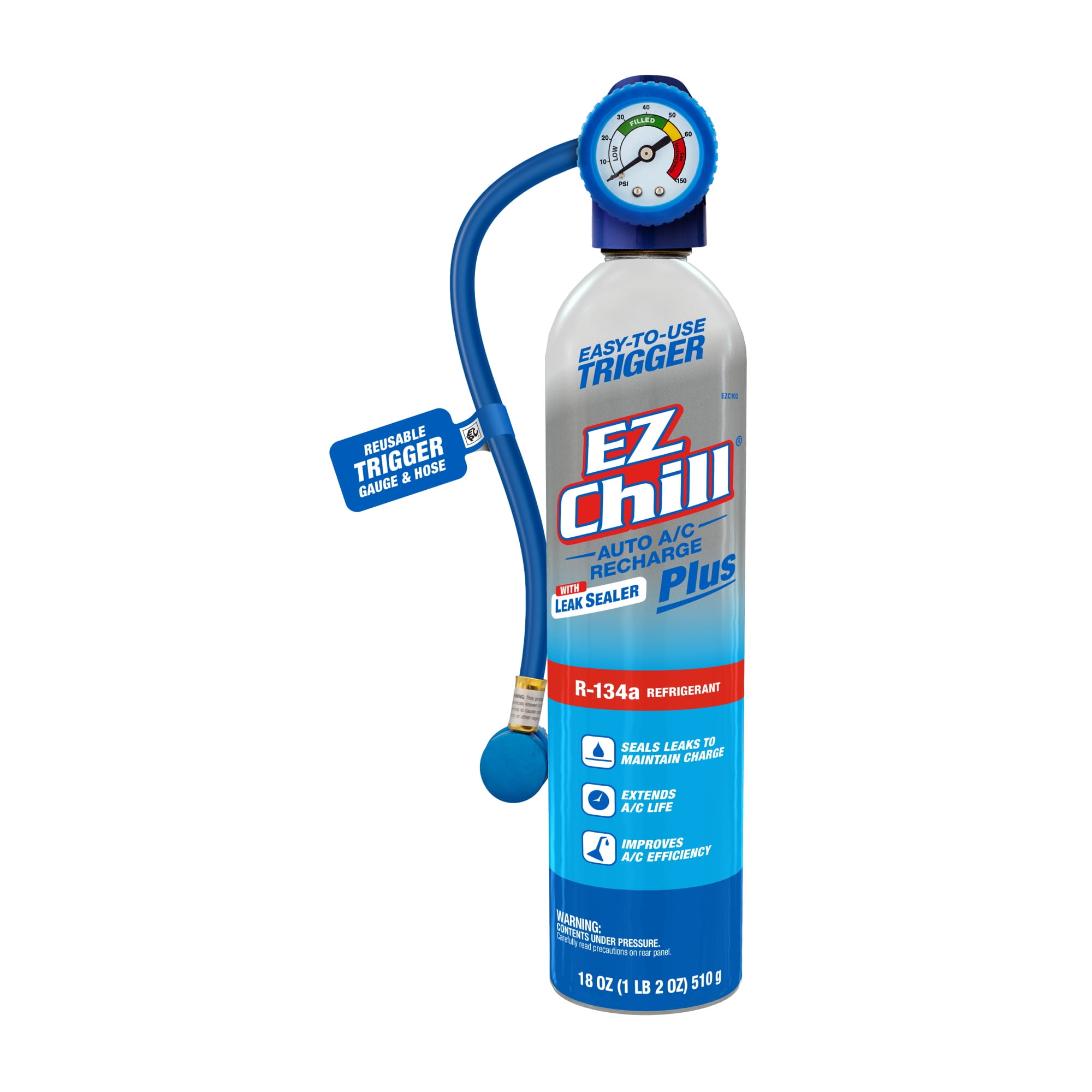
The basic equipment for a small R-134a recharge may include:
• The correct refrigerant can for your vehicle
• A low-side pressure gauge
• Safety glasses
• Refrigerant-safe gloves
• A service hose with the correct quick-connect fitting
• A leak-detection solution or electronic leak detector
• The vehicle owner’s manual
Do not use a can that contains the wrong refrigerant. Avoid products with unknown additives, sealers, or stop-leak chemicals unless a qualified technician specifically recommends them. Sealers can damage recovery machines and other air conditioning equipment.
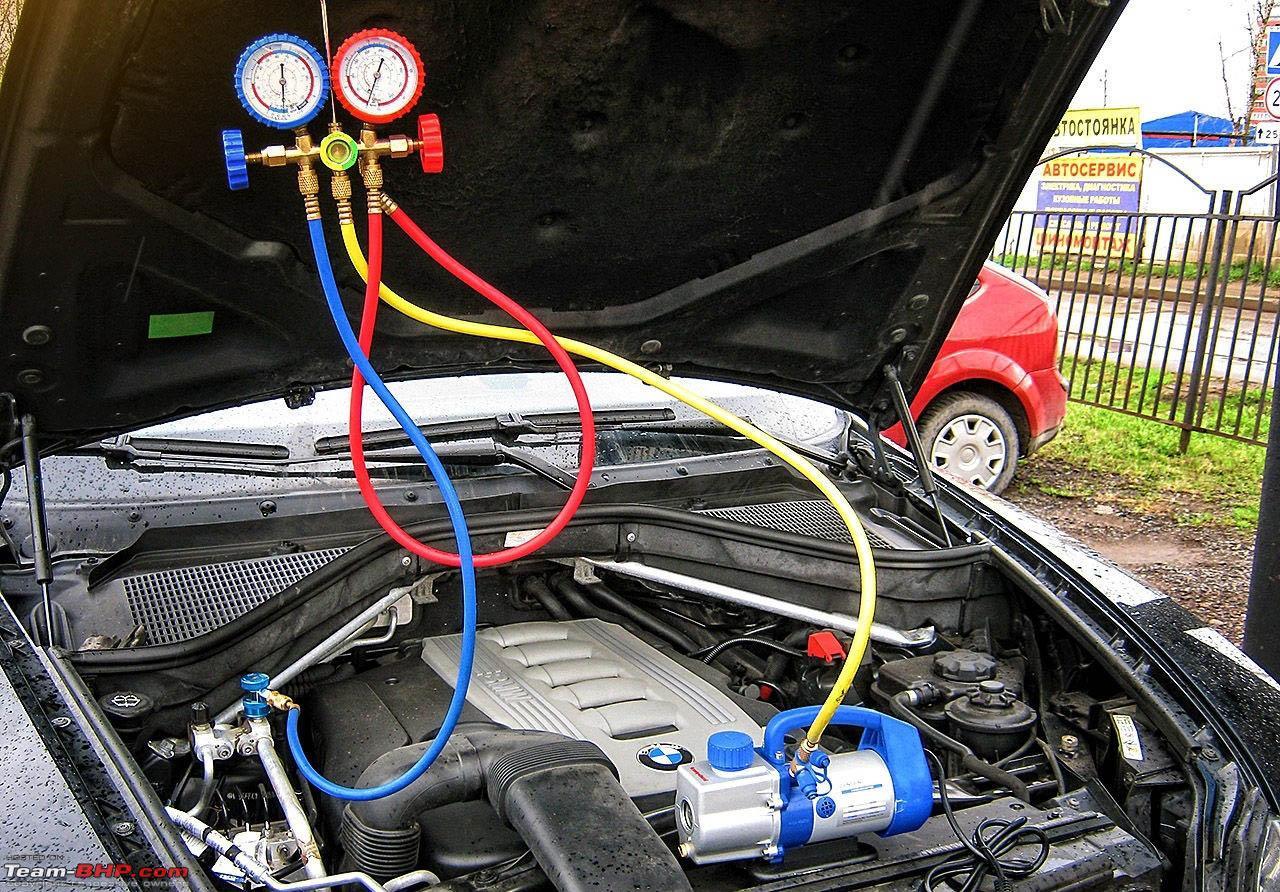
A professional repair shop may also use:
• A manifold gauge set
• A refrigerant recovery machine
• A vacuum pump
• A scale for measuring refrigerant by weight
• Nitrogen for pressure testing
• Ultraviolet dye and a UV lamp
• A refrigerant identifier
The low-side gauge on a basic recharge hose can help with a small top-up, but it cannot confirm the exact refrigerant weight inside the system. Pressure changes with outside temperature, engine speed, and airflow. The factory charge listed in ounces or grams is more accurate than a pressure guess.

How to Put Freon in Car Air Conditioning
The steps below apply mainly to vehicles with R-134a and an accessible low-side service port. The process for R-1234yf is more restricted and often requires approved equipment.
1. Confirm the Refrigerant Type
Read the label under the hood or check the owner’s manual. Confirm the refrigerant before buying a can or service kit.
If the label is missing, do not guess. A repair shop can identify the system. R-134a and R-1234yf fittings are designed to differ, but relying only on a fitting is not enough.
2. Inspect the System
Look for oily residue around hose connections, the compressor, condenser, and service ports. Refrigerant oil may escape with the refrigerant and leave a greasy mark.
Do not continue if you see a broken hose, badly corroded condenser, damaged fitting, or a large leak. Adding refrigerant to a damaged system can waste money and may expose you to escaping gas.
3. Park Safely
Park the car outdoors on a level surface. Set the parking brake and keep loose clothing, hair, and tools away from the belt and cooling fan.
Some electric cooling fans can start even when the engine seems off. Treat the fan as active whenever the hood is open.
4. Find the Low-Side Service Port
The low-side port is usually on the larger-diameter aluminum or rubber line between the evaporator and compressor. It commonly has a blue or black cap, but cap color is not universal.
The high-side port is usually on the smaller line. Never connect a basic recharge hose to the high-side port. High-side pressure can be dangerous and may cause the can or hose to rupture.
5. Connect the Gauge
With the engine off, remove the low-side cap. Attach the quick-connect fitting to the low-side port.
The fitting should lock into place without force. If it does not fit, stop. The hose may be designed for another refrigerant or may be aimed at the wrong port.
6. Start the Air Conditioner
Start the engine. Set the air conditioner to maximum cooling, choose recirculation, and set the blower to high.
Keep the doors or windows open so the compressor continues working. The system needs to run while you add refrigerant.
7. Read the Pressure
Read the gauge according to the instructions supplied with the kit. Pressure alone does not reveal the exact amount of refrigerant in the system.
A very low reading may indicate a major leak. A reading that does not change when the compressor runs may point to a compressor, electrical, or blockage problem.
8. Add Refrigerant Slowly
If the system uses R-134a and the gauge instructions support adding refrigerant, connect the can to the service hose. Hold the can upright unless the product instructions clearly state otherwise.
Open the valve for a few seconds at a time. Pause and allow the pressure to stabilize. Never hold the valve open continuously while watching only the gauge.
Do not exceed the vehicle’s specified charge. Overcharging can raise system pressure, reduce cooling, damage the compressor, and create a dangerous condition.
9. Check the Cabin Temperature
Allow the air conditioner to run for several minutes. Place a thermometer in the center vent if available. The vent temperature should drop as the system operates, but the exact result depends on outside temperature, humidity, engine speed, and vehicle design.
If the air stays warm, stop adding refrigerant. The system may have a leak or another fault.
10. Disconnect the Hose
Turn off the engine. Disconnect the hose from the low-side port and replace the service-port cap.
The cap helps seal the port. Store leftover refrigerant in a cool, dry place away from heat and flames. Follow local rules for storage and disposal.
This process explains how to put freon in car air conditioning, but it is not a substitute for a measured recharge after the system has been opened. A fully empty system needs leak testing, evacuation, and an exact charge by weight.

How to Find a Refrigerant Leak
A leak is the most common reason a car needs more refrigerant. Common leak points include:
• O-rings at hose connections
• Service-port valves
• The condenser near the front bumper
• The evaporator inside the dashboard
• Compressor shaft seals
• Aluminum lines damaged by vibration or corrosion
A small oily area may reveal a leak. UV dye can also help, but dye should be used only if compatible with the vehicle and refrigerant system.
Professional technicians often pressure-test the system with dry nitrogen. They may also use an electronic leak detector or inspect the system with UV light. These methods are more reliable than adding refrigerant and waiting for the cooling to fade.
Do not use compressed shop air to pressure-test an air conditioner. Moisture and oxygen can contaminate the system. Never release refrigerant into the atmosphere. Federal rules in the United States prohibit intentional venting of regulated refrigerants, and improper handling can harm the environment.
If the system is empty, a technician must recover any remaining refrigerant, repair the leak, pull a vacuum, and recharge the system to the manufacturer’s specified weight.
R-134a Versus R-1234yf
R-134a is common in many vehicles built before the newer refrigerant standards took effect. R-1234yf is now used in many newer cars because it has a much lower global warming impact.
R-1234yf is mildly flammable. It requires special service equipment, proper labeling, and careful handling. Many shops use a dedicated recovery machine and refrigerant identifier for this reason.
Check the under-hood label before buying a recharge kit. If your vehicle uses R-1234yf, do not assume a basic R-134a kit is suitable. The correct answer to how to put freon in car air conditioning depends on the refrigerant specified for that exact vehicle.
Some cars also use a heat-pump system or a complex climate-control design. These vehicles may need a scan tool or a factory service procedure. A quick recharge can be inappropriate if the system has sensors, valves, or electronic compressor controls.

Common Mistakes to Avoid
Many air conditioning problems become more expensive because of a rushed recharge. Avoid these mistakes:
• Connecting to the high-side port
• Using the wrong refrigerant
• Adding refrigerant without checking for a leak
• Trusting a color-coded gauge more than the factory charge
• Overcharging the system
• Using stop-leak products without expert advice
• Tilting or shaking the can against product instructions
• Working near a running engine without eye protection
• Venting refrigerant into the air
• Replacing parts without recovering refrigerant first
One common mistake is assuming that more refrigerant means colder air. It does not. An overcharged system can cool poorly because the condenser cannot reject heat as designed.
Another mistake is charging a system with a non-running compressor. If the compressor does not engage because of an electrical fault, adding refrigerant may not correct the problem. It can instead push the system farther from its correct charge.
A practical lesson from real repair work is to pause when the first attempt does not improve cooling. Repeating the same recharge usually wastes money. The next step should be diagnosis, not another can.
When You Should Call a Professional
A professional inspection is the safer choice when:
• The system is completely empty
• You see a large leak
• The vehicle uses R-1234yf
• The compressor does not engage
• The system has been opened for repair
• You do not know which refrigerant it uses
• The pressure reading is unusually high or low
• The air conditioner blows warm after a recharge
• You suspect a damaged compressor or condenser
A proper full recharge uses a recovery machine, vacuum pump, and scale. The technician removes air and moisture, checks whether the system holds vacuum, and adds the exact refrigerant weight listed by the vehicle maker.
Moisture inside an air conditioning system can freeze at the expansion device and react with refrigerant oil. Air can also raise pressure and reduce cooling. That is why a vacuum procedure matters after a component replacement or major leak.
Professional service may cost more than a small can, but it can prevent compressor damage and repeated refrigerant loss. It also ensures that refrigerant is recovered rather than released.
How Much Does It Cost to Recharge Car AC?
A small DIY recharge kit may cost around $30 to $70, depending on the refrigerant and gauge. This price does not include the cost of repairing a leak.
A professional air conditioning service may cost roughly $150 to $400 for inspection and recharge. Repairs can cost more if the system needs a condenser, evaporator, compressor, hose, or expansion valve.
The final price depends on:
• Refrigerant type
• Refrigerant quantity
• Labor rates in your area
• Leak location
• Vehicle design
• Whether the system needs a compressor or another major part
A low-cost recharge can be reasonable for a small, known loss in an otherwise healthy R-134a system. It is not a good long-term plan for a system that loses refrigerant every few weeks.
Tips for Keeping Car AC Cold
Good maintenance can reduce strain on the air conditioning system:
• Run the air conditioner for several minutes each month, even in cool weather.
• Replace the cabin air filter at the recommended interval.
• Keep leaves and dirt away from the condenser.
• Use recirculation after the cabin begins to cool.
• Have leaks repaired instead of repeatedly adding refrigerant.
• Keep the engine cooling system in good condition.
• Watch for new noises, oily residue, or a sudden loss of cooling.
Running the air conditioner briefly during winter helps circulate oil through the system. This can keep seals from drying out, although it will not repair a leak.
A clean cabin air filter also helps air move across the evaporator. If airflow is weak but the air feels cold, the filter or blower system may be the real problem.
Frequently Asked Questions About How to Put Freon in Car
Can I put freon in my car myself?
You may be able to add a small amount of the correct R-134a refrigerant if the system is intact and you follow the vehicle and product instructions. Do not attempt this if the system is empty, damaged, or filled with R-1234yf unless you have the proper equipment and training.
How do I know which refrigerant my car uses?
Check the refrigerant label under the hood or consult the owner’s manual. The label should identify R-134a, R-1234yf, or another approved refrigerant.
Which port do I use to add refrigerant?
Use only the low-side service port with a compatible hose. The high-side port operates at much higher pressure and should not be used with a basic recharge kit.
How often should a car need refrigerant?
A healthy, sealed system should not need regular refrigerant additions. If your car needs a recharge every year or more often, it likely has a leak that needs diagnosis.
Can adding refrigerant damage my car?
Yes. Using the wrong refrigerant, adding too much, or charging a damaged system can harm the compressor and other parts. It can also create a high-pressure safety hazard.
Why is my AC still warm after adding refrigerant?
The problem may be a leak, failed compressor, electrical fault, blocked expansion device, damaged condenser, or blend-door issue. Stop adding refrigerant and have the system tested.
Can I use a refrigerant stop-leak product?
Stop-leak products can contaminate the system and damage professional recovery equipment. Leak repair and a correct recharge are usually safer and more dependable.
Conclusion
Knowing how to put freon in car air conditioning starts with identifying the correct refrigerant and finding the low-side service port. Add refrigerant slowly, monitor the system, and never ignore signs of a leak or mechanical fault.
A recharge can help when the system has lost a small amount of R-134a, but it is not a repair for a leaking or empty system. When in doubt, use a qualified technician who can recover, vacuum-test, leak-check, and recharge the system by weight. Share this guide with another driver, and explore your vehicle’s service manual before beginning any air conditioning work.