

TPMS on a car means Tire Pressure Monitoring System, which checks tire air pressure and warns you when it is too low.
If you have ever seen a yellow tire-shaped light on your dashboard, you have already met TPMS. Understanding what does TPMS mean on a car can help you react safely, avoid tire damage, improve fuel use, and know when a simple tire check is enough. This guide explains how the system works, what its warning lights mean, and what to do when the light appears.
What does TPMS mean on a car?
TPMS stands for Tire Pressure Monitoring System. It is a safety feature that tracks the air pressure in your tires and alerts you when one or more tires are underinflated.
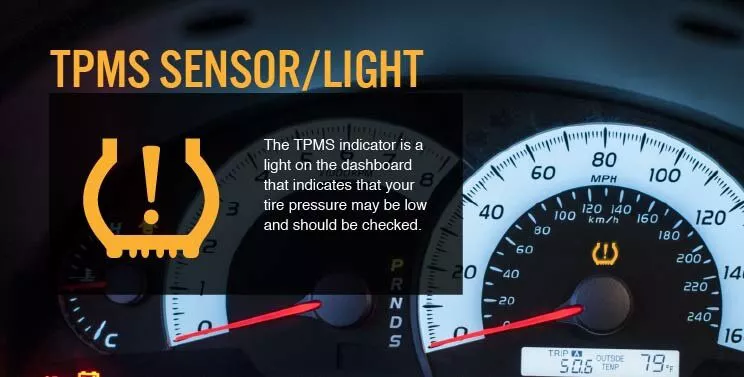
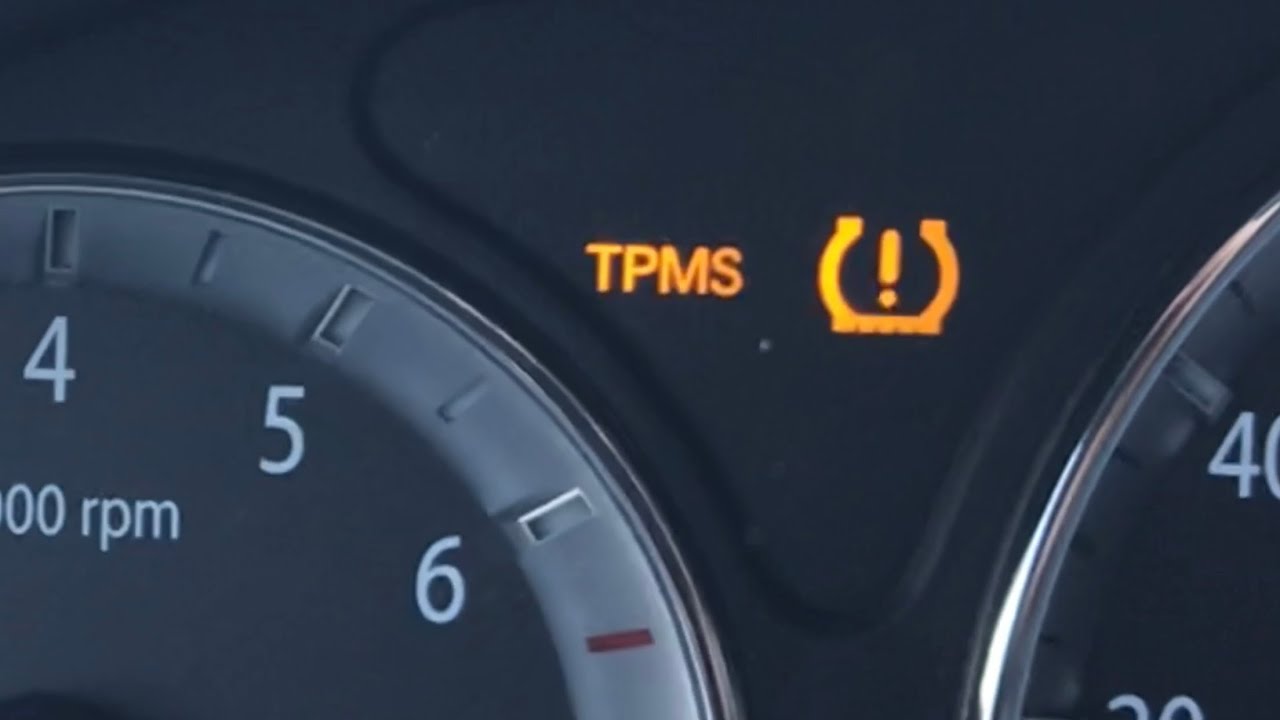
When people ask, “What does TPMS mean on a car?” they usually mean the yellow symbol on the dashboard. It looks like a tire cross-section with an exclamation point in the center. The light may come on when tire pressure drops below a set level.
Proper tire pressure matters for more than comfort. It affects:
• Steering control
• Braking distance
• Tire wear
• Fuel economy
• Driving stability
• Risk of a tire failure
Federal rules have required TPMS on most new passenger vehicles sold in the United States since the 2008 model year. The goal is simple: warn drivers before low tire pressure becomes a serious safety problem.
How does a tire pressure monitoring system work?
There are two main types of TPMS: direct and indirect. Both systems can warn you about low tire pressure, but they measure it in different ways.
Direct TPMS
A direct TPMS uses a small pressure sensor inside each wheel. The sensor measures the air pressure and often the tire temperature. It sends this information to the vehicle’s computer.
The dashboard warning light usually turns on when pressure falls below the vehicle maker’s limit. Some newer vehicles also show the pressure of each individual tire on the driver information screen.
Direct systems can provide accurate pressure readings, but the sensors use batteries. These batteries often last for several years. A damaged sensor, dead battery, or faulty valve stem can cause a TPMS warning.
Indirect TPMS
An indirect TPMS does not measure air pressure directly. Instead, it uses the anti-lock braking system’s wheel speed sensors.
A tire with low pressure has a smaller rolling radius. This means it spins slightly faster than the other tires. The vehicle compares wheel speeds and looks for this difference.
Indirect systems are often simpler and less costly. However, they may not display the exact pressure. They also need calibration after adjusting tire pressure or changing tires.
Knowing what does TPMS mean on a car is easier when you remember this comparison: direct TPMS measures pressure, while indirect TPMS looks for changes in wheel rotation.

What does the TPMS light look like?
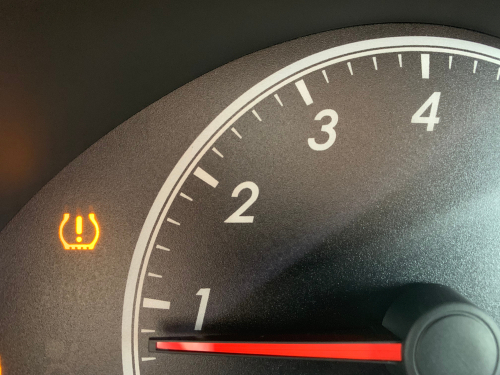
The TPMS warning light usually looks like a flat tire viewed from the front, with an exclamation point inside it. It is normally yellow or amber.
The light may appear in several ways:
• A steady light often means one or more tires have low pressure.
• A flashing light for about a minute, followed by a steady light, often signals a TPMS system fault.
• A message on the information display may identify the tire or show its pressure.
• Some vehicles use a separate message for a spare tire or sensor problem.
The symbol can look similar to a tire with a horseshoe shape around it. It is not the same as the check engine light, brake warning light, or traction control light.
If the light turns on while you drive, do not panic. Slow down, avoid sharp turns, and check the tires as soon as it is safe. A tire may lose pressure slowly, or it may have a puncture that needs immediate attention.
Why does the TPMS light come on?
Low tire pressure is the most common reason for a TPMS warning. Still, several other conditions can turn the light on.
• Cold weather
• A nail, screw, or other puncture
• A leaking valve stem
• A damaged wheel
• A faulty pressure sensor
• A weak sensor battery
• Recently installed tires
• Rotated tires that were not relearned
• An incorrect tire pressure reset
• Different tire sizes or pressures
Cold weather is a frequent cause. Tire pressure typically drops as air temperature falls. A rough rule is that pressure may decrease by about 1 pound per square inch for every 10-degree Fahrenheit drop, although the exact change can vary.
This explains why the light often appears on the first cold morning of winter. The tire may not have a puncture, but it can still be below the recommended pressure.
One mistake I often see is adding air based on the number printed on the tire sidewall. That number is usually the maximum pressure, not the vehicle’s recommended setting. Always use the pressure listed on the driver’s doorjamb label or in the owner’s manual.
What should you do when the TPMS light comes on?
Treat the warning as useful information, not as something to ignore. A few minutes of checking can prevent uneven wear or a dangerous tire failure.
Follow these steps:
- Find a safe place to stop. Avoid stopping on a narrow shoulder unless there is no safer option.
- Look at all four tires. Check for a flat tire, bulge, cut, or object stuck in the tread.
- Check the pressure with a reliable tire gauge.
- Compare each reading with the pressure on the driver’s doorjamb label.
- Add or remove air as needed.
- Drive for a short distance if your vehicle requires movement to update the system.
- Reset or relearn the TPMS only as described in the owner’s manual.
- Visit a tire shop if the light remains on or returns soon.
Do not keep driving normally if a tire looks very low. Driving on an underinflated tire can cause heat buildup and damage the inner sidewall. A tire that seems repairable from the outside may already be unsafe inside.
If you do not have a tire gauge, many tire shops, repair centers, and gas stations can check the pressure. Some vehicles display pressure readings, but a handheld gauge is still useful for confirming the reading.

What tire pressure should you use?
The correct pressure is the number recommended by the vehicle manufacturer. You can usually find it on a label inside the driver’s door or doorjamb. It may also appear in the owner’s manual or on the vehicle manufacturer’s website.
Do not use these numbers as your main guide:
• The maximum pressure on the tire sidewall
• A pressure listed for a different vehicle
• A mechanic’s guess
• The pressure shown on an old tire label
• A number from a similar-looking vehicle
Check pressure when the tires are cold. A cold tire has usually been parked for at least three hours or driven less than one mile at low speed.
Heat raises tire pressure during driving. If you check a hot tire, the reading may be higher than the cold recommended pressure. Do not release air from a hot tire just because the number looks high.
The front and rear tires may require different pressures. Some vehicles also need a special pressure for heavy loads or towing. This detail is one reason the doorjamb label is more useful than general tire advice.
Understanding what does TPMS mean on a car also means understanding that TPMS is a warning system. It does not replace regular pressure checks.

Can you drive with the TPMS light on?
You may be able to drive a short distance if the light is steady and the tires look normal. However, you should check the pressure as soon as possible.
Do not ignore the light for days or weeks. A tire can lose pressure slowly while still looking fine. By the time it appears visibly flat, it may already have serious internal damage.
Stop driving and seek help if:
• The tire looks flat
• The steering feels heavy or unstable
• The vehicle pulls to one side
• You hear flapping or thumping
• The light flashes and other warning lights appear
• You smell burning rubber
• The tire pressure drops again after inflation
A flashing TPMS light often means the monitoring system has a fault. The tires may still have the correct pressure, but the vehicle may not warn you about a future pressure loss. Have the system tested by a qualified technician.
During roadside checks, I recommend carrying a tire gauge, a portable inflator, and a properly inflated spare. These items are small, affordable, and far more useful than many drivers expect.

Does TPMS replace checking tire pressure?
No. TPMS is not a replacement for a manual tire pressure check.
The system may warn you only after pressure has dropped below a certain level. It may not warn you about a small pressure difference, a slow leak, tread damage, or a tire that is overinflated.
Check your tire pressure at least once each month and before long trips. Also inspect the tires for:
• Uneven tread wear
• Cracks
• Sidewall bulges
• Exposed cords
• Objects in the tread
• Missing valve caps
• Signs of a slow leak
A simple monthly check can catch problems before the dashboard light appears. It also helps your tires last longer and keeps the vehicle closer to its designed handling balance.
When researching what does TPMS mean on a car, many drivers focus only on the warning symbol. The larger lesson is that tire safety requires both electronic monitoring and regular visual checks.

How do you reset the TPMS light?
The reset process depends on the vehicle. Some cars reset automatically after you set the correct pressure and drive for several minutes. Others require a TPMS reset button, a menu command, or a special relearn tool.
Common reset methods include:
• Driving at a steady speed after correcting the pressure
• Selecting a tire pressure reset option in the vehicle menu
• Holding a TPMS reset button
• Using a scan tool or relearn tool
• Following a specific key and pedal sequence in the manual
Never reset the system before checking the tire pressure. Resetting only tells the vehicle to accept the current readings. If the tires are low, the system may treat an unsafe pressure as normal.
Some vehicles need a relearn procedure after tire rotation. The system must learn which sensor belongs to each wheel. If this process is skipped, the dashboard may show the wrong tire location or keep the warning light on.
If the light stays on after correct inflation and reset, the vehicle may have a bad sensor, wiring issue, or computer fault. A tire professional can scan the system and identify the problem.
What happens after changing or rotating tires?
Tire rotation does not usually damage TPMS, but the vehicle may need to recognize the new tire positions. This depends on the type of system and the vehicle design.
A tire shop may need to:
- Check every tire’s pressure.
- Inspect the sensor and valve stem.
- Record each sensor’s identification number.
- Relearn the sensor positions.
- Clear stored fault codes.
- Confirm that the warning light turns off.
Replacing tires can also expose old sensors to damage. The sensor is mounted inside the wheel, near the valve stem, so careless tire removal can break it.
When installing new tires, ask the shop to inspect the TPMS sensors. If the sensor batteries are old, replacing them at the same time may save labor later. Some vehicles use replaceable sensor components, while others require a complete sensor replacement.
The cost varies by vehicle, sensor type, and labor. A basic pressure check is often free, but sensor replacement and programming may cost more.
TPMS benefits and limitations
TPMS provides an important safety benefit, but it has limits. Like any warning system, it works best when drivers understand what it can and cannot do.
Benefits of TPMS
• Warns about significant tire pressure loss
• Helps reduce the chance of driving on a badly underinflated tire
• Supports better tire life
• May improve fuel economy when pressure is maintained
• Gives drivers early notice of a possible puncture
• Helps monitor pressure on long trips
Limitations of TPMS
• It may not warn about small pressure changes
• It may not detect tread damage
• It may not identify the exact cause of air loss
• Sensors can fail or lose battery power
• Indirect systems may need calibration
• The warning may appear after pressure is already too low
• A spare tire may not have a sensor
TPMS is like a smoke alarm. It gives you an important warning, but it does not replace basic care. You still need to inspect the tires, check pressure, and respond quickly when something looks wrong.
Common mistakes to avoid with TPMS
Many TPMS problems come from simple misunderstandings. Avoiding these mistakes can save money and improve safety.
• Ignoring a steady warning light
• Assuming the light will turn off by itself
• Inflating tires to the sidewall maximum
• Checking pressure only after a long drive
• Resetting the system before adding air
• Using tire sealant without checking sensor compatibility
• Forgetting to check the spare tire
• Replacing tires without inspecting the sensors
• Assuming a flashing light means low pressure only
• Driving fast on a tire that looks low
One especially common mistake is trusting appearance. Modern tires can look normal even when they are well below the recommended pressure. A tire gauge is more dependable than your eyes.
Another mistake is replacing a sensor without checking for a leak. A puncture, valve stem, or wheel bead may be the real cause. A proper diagnosis should include both the tire and the monitoring system.
Frequently Asked Questions About What Does TPMS Mean on a Car
What does TPMS mean on a car?
TPMS means Tire Pressure Monitoring System. It monitors tire pressure and warns you when one or more tires may be significantly underinflated.
Is it safe to drive when the TPMS light is on?
Drive only far enough to reach a safe place or tire service after checking the tires. If a tire looks flat, the vehicle handles poorly, or the light flashes, stop driving and get professional help.
Why is my TPMS light on when my tires look fine?
A tire can be underinflated without looking flat. Cold weather, a slow leak, a damaged sensor, or a system fault can also turn on the warning light.
How do I turn off the TPMS light?
Set every tire to the recommended cold pressure, then follow the reset or relearn instructions in the owner’s manual. If the light remains on, have the sensors and system tested.
Does TPMS tell you which tire is low?
Some vehicles show the pressure or location of the low tire. Others only show the general TPMS warning light, so you must check all four tires manually.
How often should I check tire pressure?
Check tire pressure at least once a month and before long trips. Check it when the tires are cold for the most accurate reading.
Can a tire shop replace a TPMS sensor?
Yes. A qualified tire shop can test, replace, program, and relearn many TPMS sensors. The exact process depends on the vehicle and sensor design.
Conclusion
TPMS means Tire Pressure Monitoring System, and its job is to warn you when tire pressure may be too low. A steady light usually calls for a pressure check, while a flashing light may point to a sensor or system problem.
Use the driver’s doorjamb label for the correct pressure, check tires when cold, and never rely on the dashboard warning alone. If the light returns after inflation or the vehicle feels unstable, have the tires and TPMS inspected promptly.
Keep a tire gauge in your vehicle, respond to warnings early, and explore your owner’s manual for the correct reset steps. If this guide helped, share it with another driver who may be wondering what does TPMS mean on a car.