

A healthy car battery should measure about 12.6 volts at rest and 13.7 to 14.7 volts while running.
Knowing what voltage should a car battery be can save you from a no-start morning, a needless battery replacement, or a costly tow. A voltage reading is more than a number on a meter. It offers a quick look at the battery’s charge, the alternator’s output, and the health of the starting system. This guide explains the correct readings, how to test them, and what unusual results often mean.
What Voltage Should a Car Battery Be?
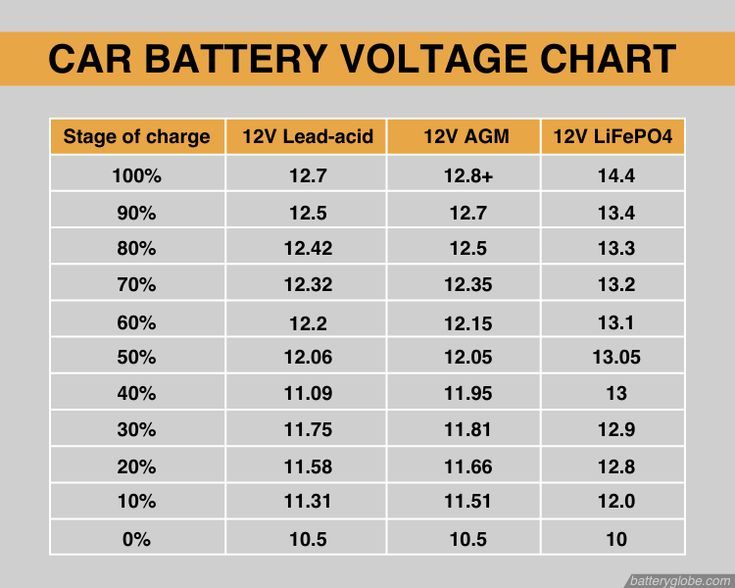
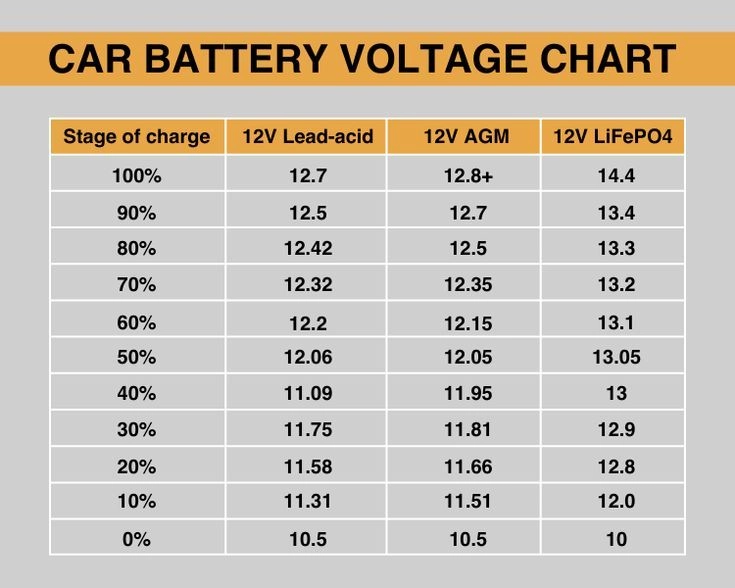
A standard 12-volt car battery is not truly 12 volts when fully charged. With the engine off and the battery rested, a healthy battery usually measures about 12.6 to 12.8 volts.
When the engine runs, the alternator supplies power to the vehicle and charges the battery. The voltage should then rise to about 13.7 to 14.7 volts in most vehicles.
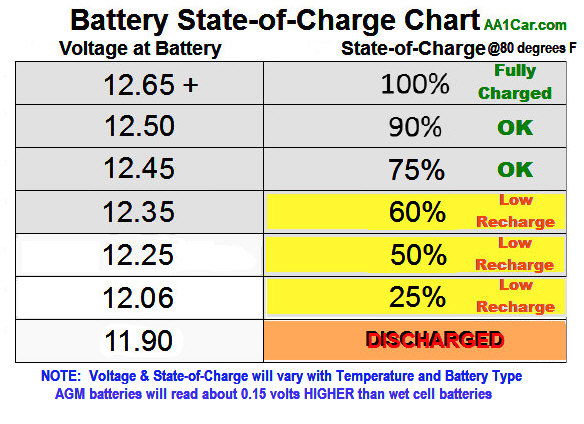
Here is a simple guide:
| Battery condition | Typical voltage |
|---|---|
| Fully charged and rested | 12.6 to 12.8 volts |
| About 75% charged | 12.4 volts |
| About 50% charged | 12.2 volts |
| About 25% charged | 12.0 volts |
| Nearly discharged | 11.9 volts or less |
| Engine running | 13.7 to 14.7 volts |
These values are useful guidelines, not strict rules. Temperature, battery type, vehicle design, and charging strategy can affect the reading.
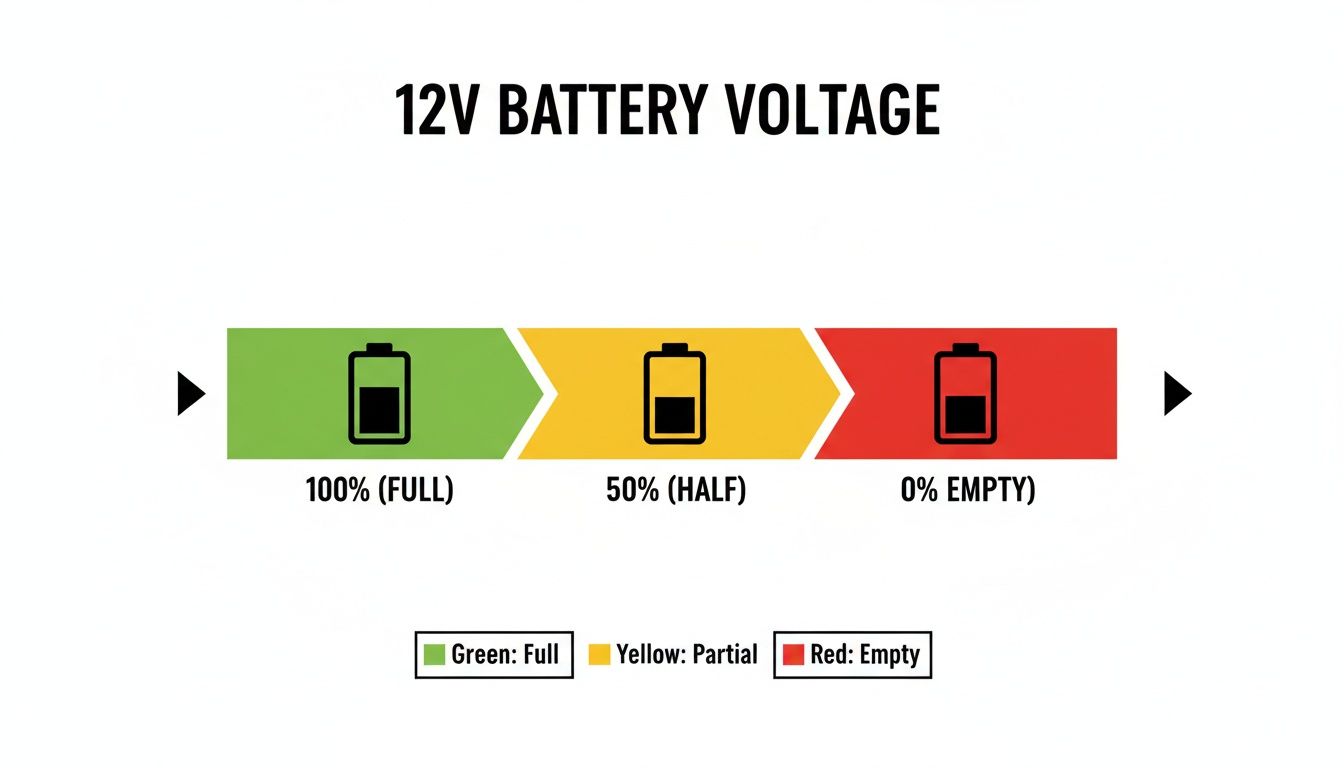
So, what voltage should a car battery be? The best short answer is 12.6 volts with the engine off and close to 14 volts with the engine running.
Car Battery Voltage With the Engine Off
To find what voltage should a car battery be at rest, turn the engine off and let the vehicle sit for several hours. Overnight is ideal. This removes the temporary “surface charge” created during driving or charging.
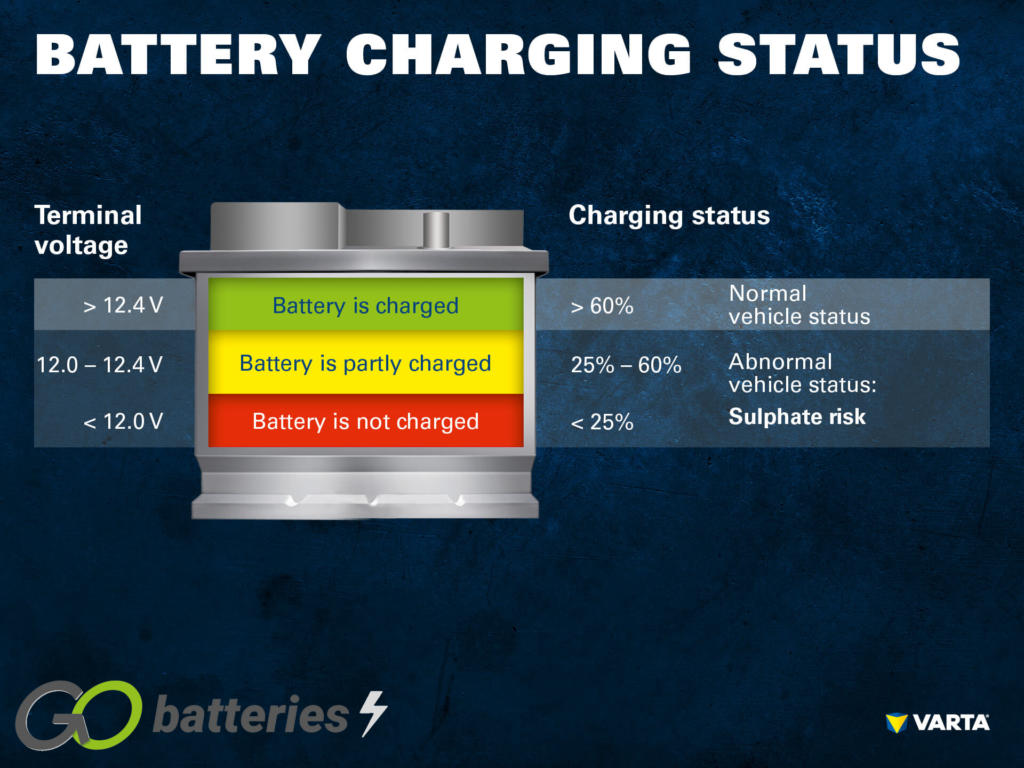
A battery that reads 12.6 volts after resting is normally fully charged. A reading of 12.4 volts suggests a partial charge, while 12.2 volts means the battery is around half charged.
Use these readings as a starting point:
• 12.7 to 12.8 volts: Fully charged and in good condition
• 12.5 to 12.6 volts: Strong charge
• 12.3 to 12.4 volts: Partly discharged
• 12.0 to 12.2 volts: Low charge
• Below 12.0 volts: Very discharged or possibly damaged
A low reading does not always prove that the battery has failed. It may simply need a full charge. The important next step is to charge it, let it rest, and test it again.
In my experience checking vehicles, one common mistake is testing the battery right after a long drive. The meter may show 13 volts or more because of surface charge. That number can look healthy, even when the battery has weak cells.

Car Battery Voltage While the Engine Is Running
The answer to what voltage should a car battery be while the engine runs depends on the vehicle’s charging system. In many older cars, the alternator maintains a fairly steady reading between 13.7 and 14.7 volts.
Modern vehicles may use smart charging systems. These systems change the alternator output to improve fuel economy and protect the battery. As a result, the voltage may move between about 12.5 and 15 volts during normal driving.
Check the reading under simple conditions first:
- Start the engine and let it idle.
- Turn off the headlights, heater fan, radio, and other accessories.
- Measure the voltage at the battery terminals.
- Turn on the headlights and heater fan.
- Watch how much the voltage changes.
A healthy charging system should usually keep the voltage above the battery’s resting level. A reading near 14 volts is common, but some smart charging systems may briefly show lower or higher numbers.
A running voltage below 13 volts may point to a weak alternator, a loose belt, poor cable contact, or a charging control issue. A steady reading above 15 volts can indicate overcharging, which may damage the battery and electronic parts.
How to Test Car Battery Voltage With a Multimeter
A digital multimeter is the easiest tool for checking what voltage should a car battery be. You do not need advanced mechanical skills, but you must connect the meter correctly.
Testing the battery with the engine off
Follow these steps:
- Park the vehicle on a flat surface.
- Turn off the engine and all electrical accessories.
- Set the multimeter to DC voltage.
- Choose the 20-volt range if the meter is not automatic.
- Touch the red probe to the positive battery terminal.
- Touch the black probe to the negative terminal.
- Read the number on the display.
The positive terminal usually has a plus symbol or a red cover. The negative terminal often connects to the vehicle body with a black cable.
Clean contact matters. If the probes touch corrosion instead of clean metal, the reading may be lower than the true battery voltage.
Testing the charging system
Start the engine and repeat the test. The voltage should rise above the resting battery reading.
Turn on the headlights and climate fan. A small drop is normal, but the alternator should recover and continue supplying power. If the voltage keeps falling, the charging system may need professional testing.
Avoid touching the probes together while they are connected to the battery. Also keep loose clothing, hair, and tools away from belts and pulleys.
What Different Voltage Readings Mean
A voltage reading can point toward several problems. It is best to treat it as a clue rather than a final diagnosis.
A car battery reads 12.6 volts
This usually means the battery is fully charged. However, voltage alone cannot prove that the battery can deliver enough current to start the engine.
An old battery may show 12.6 volts but drop sharply during cranking. That is why a load test is useful.
A car battery reads 12.2 volts
A reading near 12.2 volts means the battery is about half charged. The vehicle may still start, but repeated short trips can lower the charge even more.
Recharge the battery with a suitable charger. Then let it rest and test it again.
A car battery reads below 12 volts
This means the battery is deeply discharged. It may have been left with the lights on, or the vehicle may have a parasitic drain.
A deeply discharged battery can also suffer permanent damage. Charge it slowly, then check whether it holds a normal resting voltage.
A car battery reads 10.5 volts
A reading near 10.5 volts often suggests a shorted cell. A typical 12-volt battery contains six cells, each producing about 2.1 volts. If one cell fails, the total voltage can fall by roughly 2 volts.
The battery may need replacement, especially if it cannot hold a charge after charging.
A car battery reads 15 volts or more while running
This can suggest alternator overcharging. Possible causes include a bad voltage regulator, poor grounding, or a charging control fault.
Overcharging can boil the battery’s electrolyte, shorten battery life, and harm sensitive electronics. Have the vehicle checked soon.
Why Car Battery Voltage Changes
Many factors affect what voltage should a car battery be. A reading can change even when nothing is seriously wrong.
Temperature
Cold weather reduces battery performance. At low temperatures, the battery may show a lower voltage and deliver less starting power. Heat can increase voltage slightly but also speeds up battery wear.
A fully charged battery may read close to 12.6 volts at room temperature. In very cold weather, a slightly lower reading may not be unusual.
Surface charge
A recent drive or charge can leave extra voltage on the battery plates. This is called surface charge. It can make a weak battery look healthy for a short time.
To remove it, turn on the headlights for about 30 seconds, turn them off, and wait a few minutes before testing. For the most accurate result, let the battery rest for several hours.
Battery type
Flooded lead-acid batteries, AGM batteries, and gel batteries can have slightly different voltage patterns. AGM batteries often show a resting voltage closer to 12.8 volts when fully charged.
Always follow the vehicle and battery maker’s instructions. Using the wrong charging mode can damage some battery types.
Electrical load
Headlights, heated seats, defrosters, fans, and audio systems all increase electrical demand. The alternator must meet this demand while keeping the battery charged.
A small voltage change is normal. A major drop that does not recover may indicate a weak alternator, a worn belt, or poor electrical connections.

Battery Voltage Versus Battery Health
Voltage tells you how much charge is present. It does not fully measure battery health.
Think of voltage as the water level in a tank. A full tank looks useful, but it does not tell you whether the pipe can supply water quickly. In the same way, a battery can show 12.6 volts but still fail to provide enough starting current.
A proper battery test may measure:
• Resting voltage
• Cold cranking amps
• Voltage during engine cranking
• Charging voltage
• Internal resistance
• Battery conductance
During a starting test, voltage should generally remain above about 9.6 volts at room temperature. Temperature and test equipment can change this guideline.
If the battery drops far below that level while the starter turns, it may be weak. However, a slow starter motor, damaged cables, or corroded terminals can create a similar symptom.
I have seen drivers replace a battery when the real problem was a loose ground cable. Always inspect the terminals, cables, and engine ground before buying a new battery.
Signs Your Car Battery or Charging System Has a Problem
The voltage reading matters most when combined with real symptoms. Watch for these warning signs:
• The engine cranks slowly
• The car needs frequent jump-starts
• Headlights become dim at idle
• The battery warning light appears
• Electrical accessories cut out
• The clock or radio resets
• The engine stalls after starting
• The battery case looks swollen or cracked
• Corrosion builds around the terminals
• The alternator makes a whining or grinding sound
A battery warning light does not always mean the battery itself is bad. It often means the vehicle detects a charging problem. The alternator, wiring, belt, or voltage regulator may be at fault.
Do not ignore a swollen battery. It may contain internal damage and should be handled with care. Wear eye protection, avoid sparks, and seek help if the battery is leaking or badly damaged.
How to Keep a Healthy Car Battery
Good habits can help a battery last longer and maintain proper voltage.
Take longer drives when needed
Short trips may not give the alternator enough time to replace the power used during starting. If you make many short trips, use a smart battery charger from time to time.
Keep the terminals clean
White, blue, or green buildup can increase electrical resistance. Turn off the vehicle, disconnect the negative cable first, and clean the terminals with a proper battery brush.
Reconnect the positive cable first and the negative cable second. Make sure the connections are tight, but do not overtighten them.
Check for parasitic drain
A light that stays on, an aftermarket stereo, a dash camera, or a faulty control module can drain the battery while the car is parked.
If the battery repeatedly loses charge overnight, test for an unwanted electrical draw. This job can be complex on newer vehicles, so professional help may be wise.
Protect the battery from extreme heat
High underhood temperatures can shorten battery life. Keep the battery secure and ensure the engine bay has proper airflow.
Replace an aging battery before failure
Many car batteries last about three to five years, but climate, driving style, and maintenance can change that range. Test an older battery before winter or before a long road trip.
When to Replace a Car Battery
Replace the battery when it cannot hold a charge, fails a load test, or shows physical damage. A normal resting voltage does not guarantee that the battery is reliable.
Replacement is also sensible when:
• The battery is several years old and tests weak
• The case is swollen, cracked, or leaking
• The battery repeatedly goes flat
• The engine cranks slowly after a full charge
• The battery fails a professional conductance or load test
• One cell appears damaged
Choose the correct group size, terminal layout, and cold cranking rating. Some vehicles also require battery registration after installation. This process tells the charging system that a new battery is fitted.
If your vehicle uses an AGM battery, replace it with the correct AGM type unless the manufacturer allows another option. Start-stop vehicles often need a battery designed for frequent engine restarts.
Common Mistakes When Checking Car Battery Voltage
Even a simple voltage test can give a misleading result if done carelessly.
Testing immediately after driving
This can create a surface-charge reading. Let the battery rest before judging its condition.
Measuring dirty terminals
Corrosion between the probe and terminal can cause a false low result. Touch clean metal.
Checking only the battery
A good battery can still fail to start the car if the alternator, starter, cable, or ground connection is faulty.
Replacing the battery without testing the alternator
A bad alternator can drain a new battery in a short time. Check the running voltage before installing a replacement.
Assuming 12 volts means fully charged
A 12-volt battery can be nearly empty and still display around 12 volts. Small voltage differences matter.
Ignoring smart charging systems
Modern vehicles may not hold a constant 14 volts. Use the vehicle’s service information when a reading seems unusual.
Frequently Asked Questions About What Voltage Should a Car Battery Be
What voltage should a car battery be when fully charged?
A fully charged car battery should usually read about 12.6 to 12.8 volts after resting. A fresh reading taken right after charging may be higher because of surface charge.
What voltage should a car battery be while the car is running?
Most traditional charging systems produce about 13.7 to 14.7 volts while the engine runs. Smart charging systems may vary outside this range, so vehicle design matters.
Is 12.2 volts enough to start a car?
A battery at 12.2 volts is about half charged and may start the vehicle, but it is not in an ideal state. Recharge it soon, especially before cold weather or a long trip.
Is 11.9 volts too low for a car battery?
Yes, 11.9 volts indicates a very low state of charge or a possible battery problem. Charge the battery fully and test it again after it rests.
Can a car battery show good voltage and still be bad?
Yes. A weak battery can show 12.6 volts but fail under the heavy load required by the starter. A load test or conductance test can reveal this weakness.
Why does my battery voltage drop when I turn on the headlights?
The headlights add electrical demand, so a small drop is normal. If the voltage keeps falling or does not recover with the engine running, check the alternator and connections.
How long should I let a car battery rest before testing it?
For a useful resting-voltage test, let the battery sit for several hours. Overnight gives the clearest result, but removing surface charge with the headlights can provide a quicker check.
Conclusion
The answer to what voltage should a car battery be is simple: about 12.6 volts when fully charged and rested, and usually 13.7 to 14.7 volts with the engine running. Lower readings may mean low charge, a weak battery, poor connections, or a charging fault.
Use a multimeter, test at the battery terminals, and compare the result with the vehicle’s design. Remember that voltage is only one part of the diagnosis. If the battery fails a load test or the charging voltage looks abnormal, have the system inspected before the problem leaves you stranded.
Check your battery today, especially before winter or a long drive, and share your voltage reading or questions in the comments.
