

If your car is smoking on a U.S. road, pull over safely as soon as you can. Smoke may come from a minor oil leak, but it can also signal an overheated engine, an electrical fault, or a fire risk. Turn off the engine, move away from traffic, and call roadside assistance if the smoke continues or you see flames.
The smoke’s color, smell, location, and timing can help identify the cause. Smoke from the tailpipe points to an engine or exhaust issue. Smoke from under the hood often means a fluid leak or overheating. Smoke inside the cabin needs immediate attention because electrical wiring or a heater component may be burning.


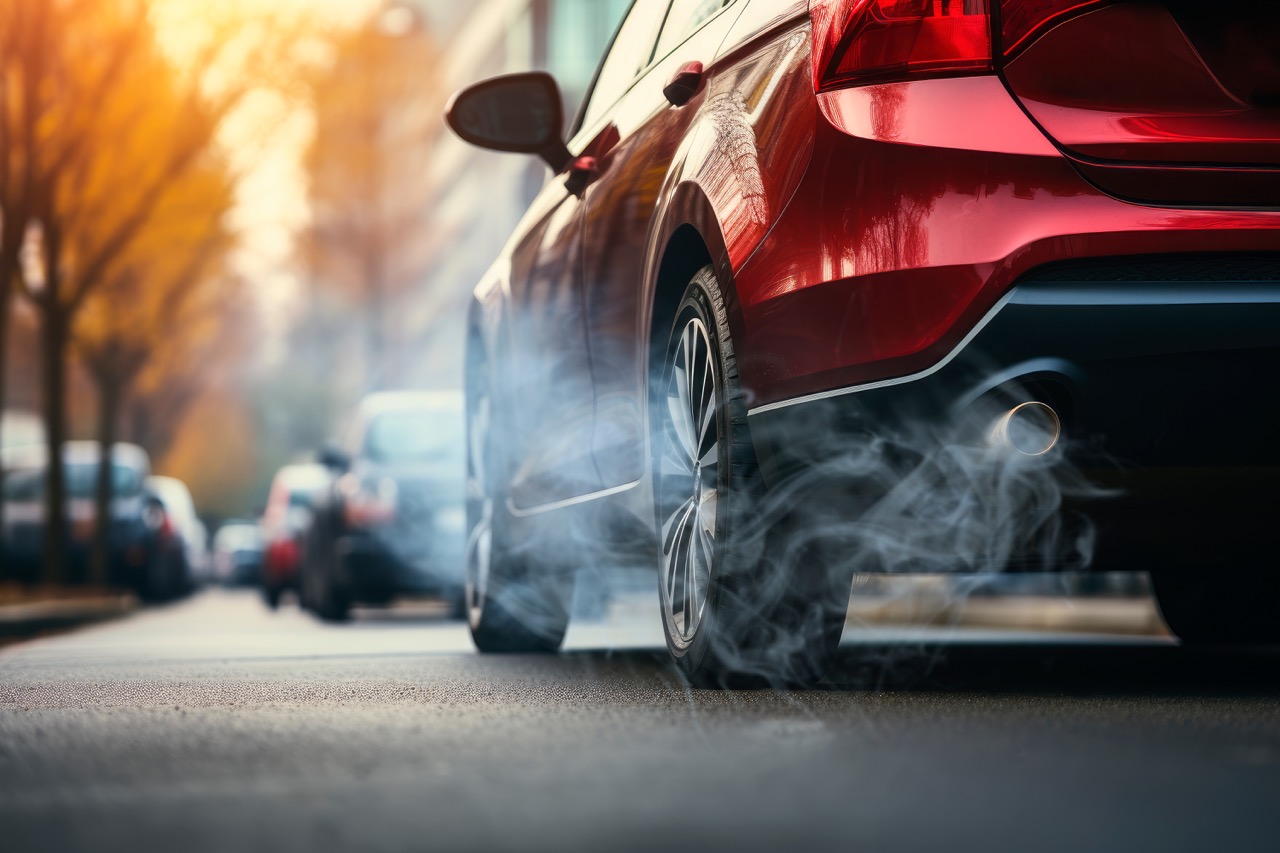
What does the color of the smoke mean?
The color offers a useful first clue, but it does not confirm the fault by itself. Light vapor on a cold morning may be normal. Thick smoke that continues after the engine warms up is not.
| Smoke appearance | Common causes | How serious it may be |
|---|---|---|
| Thin white vapor from the tailpipe | Normal water vapor in cold weather | Often normal if it fades quickly |
| Thick white smoke from the tailpipe | Coolant entering the engine | Serious; stop driving if it continues |
| Blue or blue-gray smoke | Burning engine oil | Needs repair soon; may damage the engine |
| Black smoke | Too much fuel or not enough air | Needs diagnosis; can harm the catalytic converter |
| Gray smoke | Oil, transmission fluid, or another fluid burning | Potentially serious |
| White smoke under the hood | Coolant or water on hot parts | Possible overheating |
| Blue-gray smoke under the hood | Oil leaking onto the engine or exhaust | Fire risk if the leak is severe |
| Smoke from the cabin | Electrical fault, blower motor, or heater issue | Stop driving and shut the car off |
White smoke from the exhaust
A small amount of white vapor from the tailpipe is common when a car starts in cold or damp weather. Water forms during fuel combustion and leaves through the exhaust. This vapor should thin out as the exhaust system warms.
Thick white smoke that continues after warm-up may mean coolant is entering the combustion chamber. Possible causes include a failed head gasket, a cracked cylinder head, or engine damage. You may also notice a sweet smell, low coolant, rough running, or an overheating warning.
Do not keep driving an overheating car. Continued driving can turn a repairable cooling problem into major engine damage.
Blue smoke from the exhaust
Blue or blue-gray exhaust smoke usually means the engine is burning oil. Oil may enter the cylinders through worn piston rings, damaged valve seals, or a failed turbocharger seal.
The timing can help narrow it down:
- Smoke during acceleration: Worn piston rings or a turbocharger problem may be involved.
- Smoke after idling or during startup: Worn valve seals are one possible cause.
- Smoke during deceleration: Valve seal or crankcase ventilation problems may be involved.
- Smoke after an oil change: Oil may have spilled onto hot engine parts, or the engine may be overfilled.
Check the oil level on level ground after the engine has been off for the time listed in the owner’s manual. Do not guess based on smoke alone. Driving with very low oil can cause severe engine damage.
Black smoke from the exhaust
black exhaust smoke means the engine may be burning too much fuel. The mixture can become too rich when the engine receives incorrect data from a sensor or cannot get enough air.
Possible causes include:
- A dirty or blocked air filter
- A leaking fuel injector
- A faulty mass airflow sensor
- A bad oxygen sensor
- Excessive fuel pressure
- A damaged fuel pressure regulator
- A computer or wiring fault
A check engine light often appears, but not every problem triggers a warning right away. Black smoke can damage the catalytic converter and may reduce fuel economy. Have the car scanned and inspected rather than replacing sensors at random.


Gray smoke
Gray smoke is harder to identify because it can come from burning oil, transmission fluid, power steering fluid, or another fluid. A worn turbocharger can also create gray-blue smoke.
The smell and location matter. Smoke from the tailpipe suggests the engine or exhaust is burning something internally. Smoke from the front of the vehicle may come from a leak onto the exhaust manifold or another hot surface.

Why is my car smoking under the hood?
Smoke under the hood most often comes from fluid touching hot engine or exhaust parts. It may also come from an overheating engine, a slipping belt, or an electrical failure.
Common causes include:
An oil leak
Oil can leak from the valve cover, oil filter, drain plug, oil pan, or another seal. If it reaches the exhaust manifold, it may smoke and produce a sharp burnt-oil smell.A coolant leak
Coolant may escape from a hose, radiator, water pump, thermostat housing, or reservoir. Steam often looks white and may have a sweet odor.An overheated engine
A low coolant level, failed cooling fan, stuck thermostat, damaged water pump, or blocked radiator can raise engine temperature.A loose or damaged belt
A slipping serpentine belt may create smoke and a strong rubber smell. It may also cause the battery light, temperature warning, or loss of power steering to appear.An electrical problem
Melted insulation, a short circuit, an overloaded wire, or a failing alternator can create smoke with a plastic or chemical smell.A spill from recent service
A small amount of oil or coolant spilled during maintenance may burn off. It should fade after a short period. Continued smoke means the leak needs inspection.
What to do when smoke comes from under the hood
Follow this sequence:
- Pull off the road in a safe place.
- Turn off the engine.
- Set the parking brake and turn on the hazard lights.
- Get everyone out of the vehicle if smoke is heavy, the temperature warning is on, or flames appear.
- Move away from traffic and stand upwind if possible.
- Call 911 if there is a fire or immediate danger.
- Call roadside assistance or a tow service.
Do not open the radiator cap while the engine is hot. Pressurized coolant can cause severe burns. The National Highway Traffic Safety Administration advises motorists to take overheating and vehicle fire warnings seriously; your owner’s manual may also give model-specific steps.
Do not pour cold water over a hot engine. A sudden temperature change can damage components, and it will not fix the cause of the overheating.

Why is my car smoking from the exhaust?
Exhaust smoke usually comes from a problem with combustion, oil control, coolant control, or the emissions system.
The most useful questions are:
- Does the smoke appear only at startup?
- Does it continue after the engine reaches normal temperature?
- Does it increase during acceleration?
- Does the engine run rough?
- Is the coolant level dropping?
- Is the oil level dropping?
- Is the check engine light on?
- Does the smoke smell sweet, oily, or like raw fuel?
Smoke only at startup
A brief puff may be normal condensation, especially in cold states such as Minnesota, Michigan, or New York during winter. A recurring blue puff at startup may point to oil leaking past valve seals while the engine sits.
Thick white smoke at every startup is more concerning. If it continues after the engine warms, have the vehicle inspected before driving far.
Smoke during acceleration
Blue smoke during acceleration often indicates that the engine is burning oil under load. Black smoke during acceleration suggests excess fuel or restricted airflow.
White smoke during acceleration can indicate coolant entering the cylinders, particularly if the vehicle also loses coolant or overheats.
Smoke with a rough-running engine
Smoke combined with shaking, misfires, poor acceleration, or a flashing check engine light needs prompt attention. A flashing check engine light can indicate a misfire severe enough to damage the catalytic converter.


Reduce speed and avoid hard acceleration. If the light continues flashing or the vehicle runs badly, stop driving and arrange a tow.

Why is smoke coming from inside my car?
Smoke inside the cabin is not normal. The safest assumption is that an electrical component or hot mechanical part has failed until a technician finds the cause.
Possible sources include:
- A shorted wire or connector
- A failing blower motor
- An overheating resistor
- A damaged phone charger or accessory
- A burning fuse or fuse-box connection
- A heater core leak
- Debris touching the heater or blower
- Smoke entering from the engine compartment
If you smell burning plastic, see smoke from the dashboard, or notice flickering lights, turn the vehicle off and exit. Do not keep driving to see whether the smoke clears. Unplug accessories only if you can do so safely without touching hot, melted, or exposed wiring.
If the smell is sweet and the windows fog with a greasy film, the heater core may be leaking coolant. That still requires repair, but smoke or visible electrical burning calls for a more urgent response.

What should I check after the car cools down?
Only inspect the vehicle after it has cooled and there is no active smoke, fire, or strong fuel smell. Do not reach near belts, fans, or hot components.
Use this basic check:
Look at the temperature gauge and warning lights.
Record whether the engine overheated, the oil light appeared, or the check engine light flashed.Check the ground under the car.
Clear, green, orange, pink, or yellow fluid may be coolant, depending on the formula. Brown or black fluid may be engine oil. Red or reddish-brown fluid may be transmission or power steering fluid. Fluid color varies, so use location and the owner’s manual as additional clues.Check the engine oil level.
Use the dipstick as directed by the manufacturer. A very low level can explain noise, warning lights, or blue smoke.Check the coolant reservoir.
Do this only when the engine is cold. Never remove a hot radiator cap.Look for fresh wet spots or sprayed fluid.
Check around hoses, the radiator, the valve cover, the oil filter, and beneath the engine.Inspect for melted plastic or damaged wiring.
Do not touch exposed wiring. Arrange professional service instead.Read the owner’s manual.
It may explain warning lights, fluid types, towing instructions, and safe inspection points for your specific vehicle.
Do not top off fluids and assume the problem is solved. Adding coolant may get you to a repair shop only when the leak is small, the engine is fully cool, the temperature stays normal, and the manufacturer allows that action. A major leak can empty the system again within minutes.
Can I drive a smoking car?
Usually, you should not drive a car that is actively smoking. The risk depends on the source, but the wrong decision can cause an engine failure or vehicle fire.
Stop driving and arrange a tow when:
- Smoke continues after you stop.
- The temperature gauge is in the red zone.
- A temperature, oil-pressure, or charging warning appears.
- You see flames or melting parts.
- The smoke comes from the dashboard or cabin.
- You smell fuel.
- The check engine light is flashing.
- The engine knocks, stalls, shakes, or loses power.
- Coolant or oil is leaking heavily.
- The brake pedal feels different or a wheel is smoking.
A short drive to a repair shop may be reasonable only after a technician or qualified roadside professional confirms that the vehicle is safe, the smoke has stopped, fluid levels are correct, and no critical warning is active. When in doubt, towing is cheaper than replacing an engine.
Smoke diagnosis by symptom
This table helps you decide what to do next. It is a starting point, not a substitute for an inspection.
| Symptom | More likely causes | Best next step |
|---|---|---|
| White vapor only in cold weather | Condensation | Monitor whether it fades after warm-up |
| Thick white tailpipe smoke | Coolant entering the engine | Stop driving if it continues; arrange diagnosis |
| Blue tailpipe smoke | Burning oil | Check oil level and schedule an inspection |
| Black tailpipe smoke | Rich fuel mixture or low airflow | Scan for codes and inspect the air and fuel systems |
| Smoke under hood after an oil change | Spilled oil or a leak | Let it cool; check for fresh oil and have it inspected |
| Sweet smell and steam | Coolant leak or overheating | Shut down and never open a hot cooling system |
| Burning rubber smell | Belt or pulley problem | Stop if smoke continues; inspect before driving |
| Burning plastic smell | Electrical fault | Shut off the car and tow it |
| Smoke from one wheel | Brake or wheel-bearing problem | Stop driving; the wheel may be dangerously hot |
| Smoke with a flashing check engine light | Severe misfire | Stop driving and arrange a tow |
Common mistakes to avoid
Do not ignore a small amount of smoke
A minor oil leak can reach the exhaust and become a fire risk. A small coolant leak can become a full overheating event. Smoke is a warning, not a normal maintenance reminder.
Do not rely on smoke color alone
Lighting, weather, exhaust condensation, and fluid type can change how smoke looks. Use the smell, source, timing, warning lights, and fluid levels too.


Do not open a hot radiator cap
The cooling system can remain pressurized after the engine stops. Wait until the engine is fully cool and follow the vehicle manual.
Do not use the wrong fluid
Coolant, oil, transmission fluid, and brake fluid are not interchangeable. Using the wrong product can damage seals or create a safety problem. Check the owner’s manual or ask a qualified technician.
Do not clear warning codes before diagnosis
Disconnecting the battery or clearing codes may erase useful information. A technician can use stored data to identify a misfire, overheating event, or sensor fault.
Do not assume a recent repair caused the smoke
Recent work is worth mentioning to the technician, but the cause may be unrelated. A spilled fluid, a loose connection, or a new leak can all occur after service and need separate checks.
How much does it cost to fix a smoking car?
The cost varies widely because “smoking car” describes a symptom, not one repair. A spilled fluid may cost little to clean. A failed hose, thermostat, belt, sensor, turbocharger, head gasket, or engine can cost much more.
Before approving work, ask the repair shop:
- What is the confirmed source of the smoke?
- What tests support that diagnosis?
- Is the car safe to drive?
- What damage could occur if I wait?
- What parts and fluids will be replaced?
- Is there more than one possible cause?
- Can you provide a written estimate?
For U.S. drivers, repair shops may charge a diagnostic fee even when you do not approve the repair. Ask about that fee before authorizing inspection. A second opinion is sensible for major engine or transmission work, especially when the diagnosis is based only on smoke color.
Frequently asked questions
Is white smoke from a car always bad?
No. Thin white vapor that appears during a cold start and quickly fades is often normal condensation. Thick white smoke that continues after warm-up, smells sweet, or comes with low coolant is not normal and may indicate an internal coolant leak.
Can low oil cause a car to smoke?
Low oil can contribute to overheating, engine wear, and oil burning. It may also trigger an oil-pressure warning. Check the oil level only as described in the owner’s manual, and do not drive if the oil-pressure warning remains on.
Why does my car smoke after an oil change?
A small amount of spilled oil may land on hot engine or exhaust parts and burn off. Smoke that continues, increases, or returns after the spill should be inspected because the oil filter, drain plug, or another seal may be leaking.
Can a bad head gasket cause smoke?
Yes. A failed head gasket can allow coolant into the cylinders, which may create thick white exhaust smoke. Other signs can include overheating, low coolant, rough running, bubbles in the cooling system, or a milky oil appearance. These signs are not conclusive by themselves, so testing is needed.
What should I do if my car catches fire?
Stop as soon as possible, turn off the engine, get everyone out, move away from the vehicle, and call 911. Do not open the hood fully, and do not return for personal items. Fire can spread quickly through fuel, oil, wiring, and plastic components.
Key takeaways
- Smoke under the hood often means a fluid leak, overheating, belt failure, or electrical problem.
- Blue exhaust smoke usually means burning oil.
- Thick white exhaust smoke may mean coolant is entering the engine.
- Black exhaust smoke often points to excess fuel or restricted air.
- Smoke inside the cabin is an urgent safety issue.
- Stop driving if smoke continues, the temperature rises, a warning light flashes, or you smell fuel or burning plastic.
- Never open a hot radiator cap.


Conclusion
A smoking car needs a cautious response, not a guess. Pull over, shut the engine off, and identify where the smoke comes from only after the vehicle cools and the area is safe. Color and smell can suggest a cause, but warning lights, fluid loss, and the smoke’s location matter just as much.
If the smoke is heavy, returns, or comes with overheating, electrical burning, fuel odor, or unusual engine noise, have the car towed to a qualified repair facility. That choice can prevent a small leak or fault from becoming a fire, a stranded vehicle, or major engine damage.
