Should Car Seat Go Behind Driver Or Passenger: Safe Spot
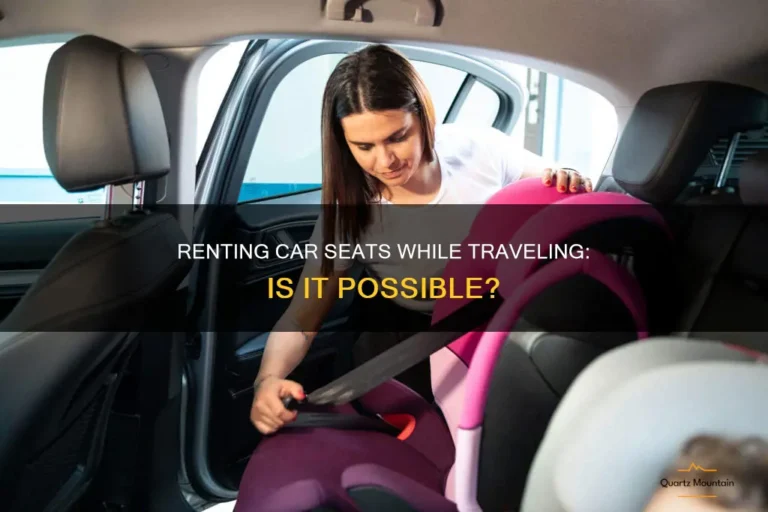
For most families in the United States, a car seat can go behind either the driver or passenger seat if it fits well and is installed correctly. The passenger-side rear seat is often the most practical choice because it lets an adult load the child from the curb on many U.S. streets.
However, the passenger side is not automatically safer. A properly installed car seat in the rear seat matters more than whether it sits behind the driver or passenger. If the car seat and vehicle allow it, the center rear position may offer extra space from a side impact, but it is not always the best or safest fit.
Introduction
Parents often ask this question when they buy a new car seat, change vehicles, or prepare for a new baby. The answer depends on more than left versus right. You must also consider the car seat’s direction, the vehicle’s seat belts and lower anchors, the driver’s legroom, and how safely you can place the child in and out of the vehicle.
U.S. safety guidance from the National Highway Traffic Safety Administration (NHTSA) and the American Academy of Pediatrics (AAP) supports keeping children in the back seat and following both the car seat manual and vehicle owner’s manual. No major U.S. safety agency says that the driver-side rear seat is always safer than the passenger-side rear seat, or vice versa.

Quick answer: Which side is best?
Choose the rear seating position that gives you all of these benefits:
- A secure installation with less than 1 inch of movement at the belt path.
- Enough room for the child seat to sit at the correct recline angle.
- No contact with the front seat that the car seat manufacturer does not allow.
- A comfortable and safe position for the driver or front passenger.
- Easy access for loading and unloading the child.
- A usable seat belt or approved lower-anchor connection.
- A position that does not block another child’s safe seat or the vehicle’s access.
For many U.S. families, that means placing one car seat behind the front passenger seat. This position can make curbside loading easier and avoids moving the driver’s seat each time the child rides.
But if the passenger-side seat does not install well, the driver-side rear seat is the better choice. Correct installation beats a preferred side.
Why the passenger side is often more practical
The passenger-side rear seat is often easier for daily use because the child can usually enter and leave on the side nearest the curb. This can reduce the need to stand in traffic while buckling a child.
This advantage depends on the road and parking situation. On a quiet driveway, a parking lot, or a one-way street, another door may be easier. In a busy area, however, curbside access can give you more space and reduce exposure to moving vehicles.
The passenger side can also help when:
- The driver needs full legroom.
- One adult often sits in the front passenger seat.
- You carry groceries or other items in the cargo area.
- You need to check on a rear-facing infant from the curb.
- You want to place an older child near the curb for easier exit.
The passenger-side position is not a guarantee of better crash protection. Its main benefit is access and convenience, which can support safer daily habits.

Is the driver-side rear seat safer?
Not by default. The driver-side rear seat can be just as safe as the passenger-side rear seat when the car seat fits and is installed according to the instructions.
Some parents choose the driver side because they can see the child more easily from the driver’s seat at a stop. That benefit should not lead to looking backward while driving. A driver should keep attention on the road.
The driver-side position may work well when:
- The passenger-side seat has limited space.
- The vehicle has better lower-anchor access on the driver side.
- The car seat sits at a better angle there.
- Another child or passenger needs the passenger-side seat.
- The driver can still maintain a safe driving position.
- Curbside loading is not a concern in your usual parking areas.
Do not move a car seat to the driver side just because it seems closer to the driver. The key test is whether the child restraint is secure, level, and compatible with that seating position.
Is the middle rear seat safest?
The middle rear seat can be a good choice because it places the child farther from either side door. That may provide more distance from a side collision. Still, the center is not automatically the safest position in every vehicle.
A center installation may be unsuitable when:
- The vehicle has no approved lower anchors in the center.
- The center seat belt is difficult to use.
- The seat belt comes from the roof or has a special buckle design.
- The seat is too narrow for the car seat base.
- The car seat touches or overlaps nearby seats.
- The vehicle manual does not permit that installation method.
- The car seat cannot reach the correct angle.
Never connect lower anchors from two different seating positions to install a car seat in the center. For example, do not use the left anchor from one position and the right anchor from another unless the vehicle manufacturer specifically identifies those anchors for center use.
A tight center installation using the vehicle seat belt may be safer than a loose side installation. But a secure side installation is better than a poor center installation.

How to choose between the driver and passenger side
Use this simple process before deciding.
1. Read both manuals
Read the vehicle owner’s manual and the child restraint manual. Look for instructions about:
- Rear-seat locations.
- Lower anchors and tethers.
- Seat belt locking methods.
- Rear-facing clearance.
- Forward-facing top-tether use.
- Contact between the car seat and front seat.
- Center-seat installation.
- Air bags and child passengers.
The car seat manual explains how to use that specific restraint. The vehicle manual explains which positions and installation methods the vehicle supports. You need both.
2. Try the car seat in each allowed position
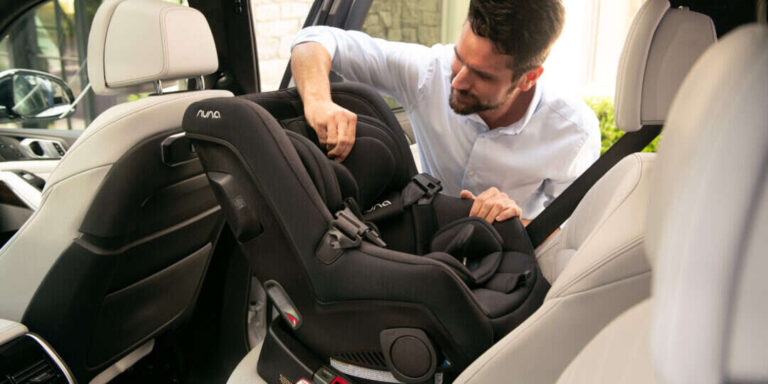
Place the car seat behind the driver and then behind the passenger. Check the fit in both positions.
For a rear-facing seat, confirm that:
- The seat reaches its required recline angle.
- The front seat does not push against the child restraint unless the manufacturer allows that contact.
- The front occupant has enough room.
- The car seat does not rest against an unsafe part of the vehicle.
For a forward-facing seat, confirm that:
- The top tether is attached when required or recommended.
- The seat back and head restraint do not interfere with the car seat.
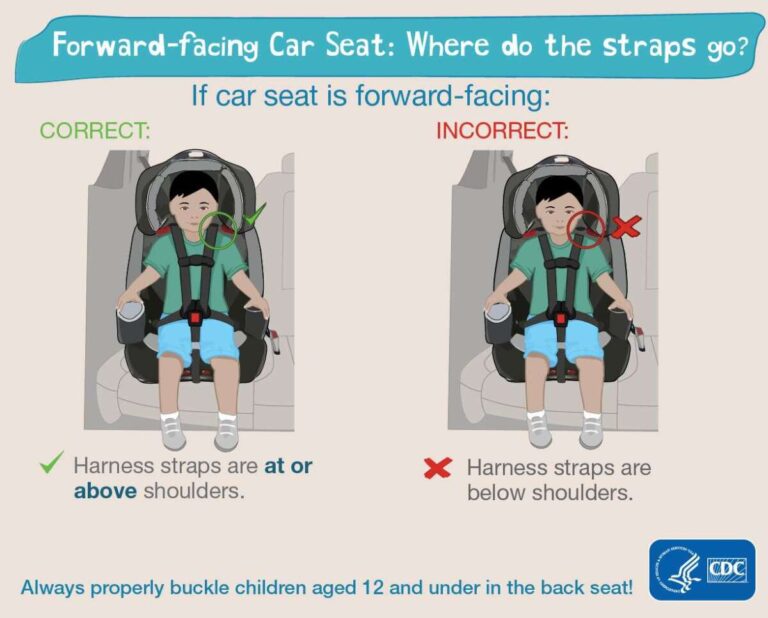
- The child’s harness can be adjusted correctly.
- The seat does not move more than allowed at the belt path.
3. Check for movement
After installation, hold the car seat near the belt path. Pull it side to side and front to back.
The seat should move less than 1 inch in any direction at the belt path, according to NHTSA installation guidance. Do not judge movement by pulling on the top of the seat. Some movement at the top can be normal, especially with a rear-facing seat.
4. Choose the position you can use correctly every time
A slightly less convenient position may be the right choice if it helps you buckle the child carefully on every trip. A seat that is hard to reach, difficult to tighten, or blocked by another passenger may lead to mistakes.
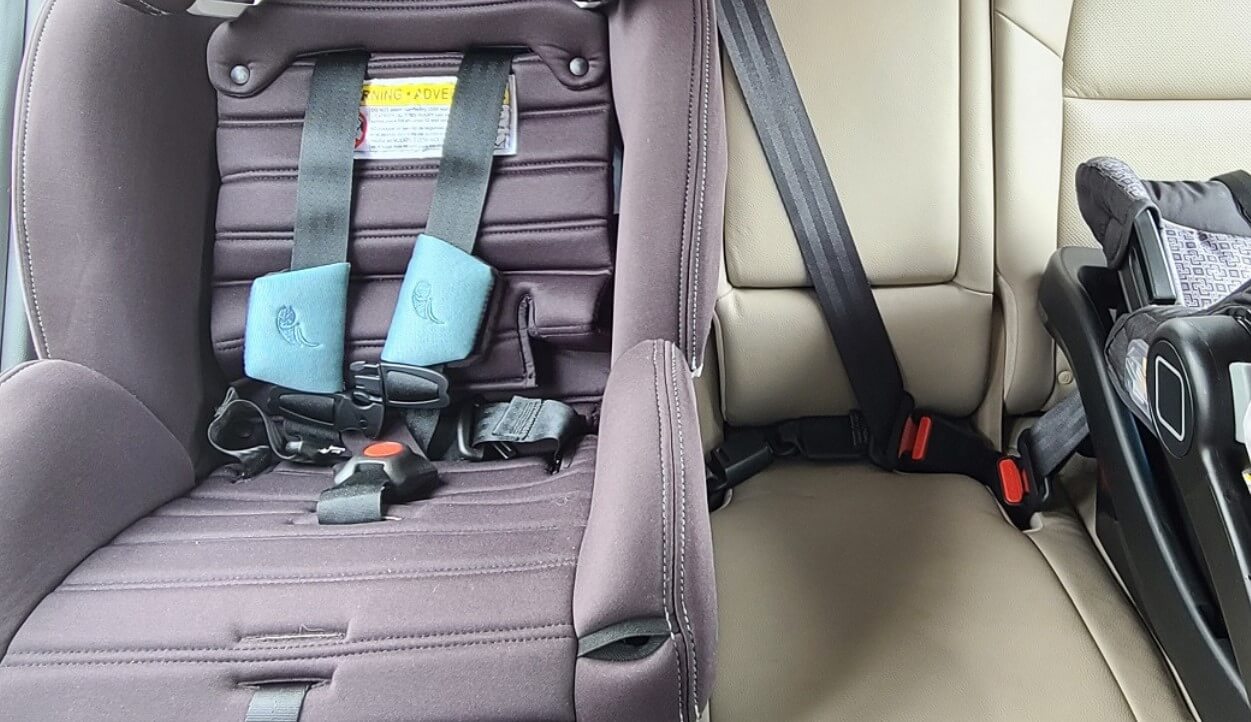
Driver side vs. passenger side: comparison table
The table below compares common practical factors. It does not rank one side as universally safer.
| Factor | Behind the driver | Behind the passenger |
|---|---|---|
| Curbside loading | May be harder on some roads | Often easier on U.S. streets |
| Driver legroom | May need adjustment | Usually leaves the driver’s seat unchanged |
| Front passenger space | Usually unchanged | May reduce front passenger legroom |
| Daily access | Depends on parking and doors | Often convenient for loading |
| Crash safety | No automatic advantage | No automatic advantage |
| Installation quality | Depends on vehicle and seat | Depends on vehicle and seat |
| Best use case | When it fits better or suits family layout | When curb access and driver space matter |
The main takeaway is simple: use the side that produces the safest installation and the least daily difficulty.
What changes when you have more than one child?
With two or more children, the best layout may change. You may need to balance car seat width, access to buckles, door clearance, and the position of each child.
Keep these points in mind:
- Install the seat that is hardest to fit first.
- Check that each car seat can be tightened without interference.
- Avoid placing a child where another seat blocks access to the harness.
- Use the top tether for every forward-facing seat when the instructions require or recommend it.
- Do not assume that two seats fit simply because they can be placed next to each other.
- Check whether one seat presses against another in a way the manufacturers do not allow.
- Make sure each child can enter and leave without climbing across another seat.
A three-across arrangement may require a certified child passenger safety technician. The technician can help test the actual seats in the actual vehicle.
Does the car seat need to be behind the driver if the driver is short?
No. The car seat does not need to sit behind the driver based on the driver’s height.
The seat should go where the driver can maintain a safe position and where the car seat can be installed correctly. If a rear-facing seat requires the driver’s seat to move too far forward, try the passenger side or another approved rear position.
Do not place a rear-facing car seat in the front seat to gain space. A front passenger air bag can cause serious injury or death to a child in a rear-facing seat.

Rear-facing, forward-facing, and booster seat placement
The child’s stage affects how you install the seat, but it does not create a universal driver-side or passenger-side rule.
Rear-facing car seats
Rear-facing seats support the child’s head, neck, and spine during a crash. Children should remain rear-facing until they reach the seat’s height or weight limit, according to the AAP.
Place a rear-facing seat in the back seat whenever possible. Check the recline indicator and make sure the harness sits at or below the child’s shoulders, as directed by the seat manual.
Never add padding, head supports, or strap covers unless they came with the seat or the manufacturer approves them.
Forward-facing car seats
When a child outgrows the rear-facing limits, use a forward-facing seat with a harness and top tether. The top tether can reduce forward movement of the child restraint in a crash.
Use the tether anchor identified by the vehicle manual. Do not attach the tether to a cargo hook or another unapproved point.
Booster seats
A booster seat helps position the vehicle lap and shoulder belt on the child’s body. A child should use a booster until the vehicle belt fits properly without it.
The lap belt should lie low across the upper thighs, not the stomach. The shoulder belt should cross the chest and shoulder, not the neck or face. The child should be able to sit with their back against the vehicle seat and keep the knees bent at the edge of the seat.
Children younger than 13 should generally ride in the back seat, according to NHTSA guidance.

Common mistakes to avoid
Many car seat problems come from installation or use errors rather than the chosen side of the vehicle.
Avoid these mistakes:
- Installing a car seat in the front seat when the back seat is available.
- Using lower anchors beyond the child restraint’s stated weight limit.
- Forgetting to attach the top tether for a forward-facing seat.
- Using both the seat belt and lower anchors when the manual does not allow it.
- Using lower anchors from separate seating positions for a center installation.
- Leaving bulky coats under the harness.
- Turning a child forward-facing too early.
- Adding aftermarket inserts or padding.
- Checking movement at the top instead of the belt path.
- Ignoring the vehicle manual.
- Assuming a visible green or red indicator proves the whole installation is correct.
- Letting a child ride with the chest clip too low or the harness too loose.
A seat can look secure and still be installed incorrectly. If you are unsure, get an in-person check.
When should you ask a child passenger safety technician?
Ask for help when the car seat moves too much, the angle is unclear, or the seat appears to conflict with the vehicle.
A certified Child Passenger Safety Technician (CPST) can help with:
- Rear-facing recline.
- Lower-anchor or seat-belt installation.
- Top-tether use.
- Multiple car seats.
- Three-across arrangements.
- Booster belt fit.
- Special needs restraints.
- Used or previously damaged seats.
You can find inspection events and technician resources through the NHTSA child passenger safety directory and Safe Kids Worldwide. Availability varies by location, so confirm the appointment details before traveling.

What if neither side seems to fit?
First, try the vehicle seat belt instead of lower anchors, if the car seat allows both methods. One method may give a better fit than the other.
Next, check the recline angle, the position of the front seat, and the route of the belt. Read the manual again rather than relying on a general online tip. If the seat still does not fit, try an approved rear seating position or consult a CPST.
Do not solve a fit problem by:
- Placing the seat in the front without checking air-bag rules.
- Removing required padding.
- Using an unapproved tether point.
- Routing the belt in a different path.
- Adding towels or pool noodles unless the manual permits them.
- Reclining the vehicle seat in a way the car seat instructions prohibit.
If a car seat is involved in a moderate or serious crash, replace it unless the manufacturer gives different guidance that applies to that exact seat. Also replace a seat that is expired, recalled, damaged, or missing its labels and instructions.
Frequently asked questions
Is behind the passenger seat safer than behind the driver?
Not automatically. Both rear side positions can be safe when the car seat fits and is installed correctly. Behind the passenger is often more practical because it may allow curbside loading and preserve the driver’s preferred seat position.
Can I put a rear-facing car seat behind the driver?
Yes, if the car seat fits without forcing the driver into an unsafe position. Check the vehicle and car seat manuals for clearance rules.
Should a baby’s car seat go in the middle?
The center can be a good position if the car seat can be installed tightly using an approved method. It is not the best choice if the belt, anchors, seat width, or recline angle do not work.
Can I use the lower anchors in the middle seat?
Only if the vehicle manual identifies those anchors for the center position and the car seat manual permits that use. Do not borrow anchors from the left and right seating positions.
Is it safe to put a car seat in the front passenger seat?
Children should ride in the back seat whenever possible. Never place a rear-facing seat in front of an active passenger air bag. Follow the vehicle manual for any exception, such as a two-seat vehicle.
How much movement should a car seat have?
At the belt path, the installed seat should move less than 1 inch from side to side or front to back. The top of the seat may move more than this and is not the correct place to test installation tightness.
Final recommendation
For one child, start by testing the rear passenger-side position because it often offers easier curbside access and does not disturb the driver’s seat. Keep that position only if the car seat fits and installs correctly.
If the driver-side rear seat gives a tighter, more stable installation, use it instead. If the center position works with an approved installation method, it may also be a strong option.
The safest choice is the rear position where you can install the correct car seat tightly, use the harness or belt properly, and repeat that process on every trip. Recheck the installation after moving the seat, changing vehicles, or reaching a new child weight or height limit.
Sources for U.S. guidance
- National Highway Traffic Safety Administration: Car Seats and Booster Seats
- American Academy of Pediatrics: Car Seats and Booster Seats
- Safe Kids Worldwide: Car Seat Safety
- Your vehicle owner’s manual
- Your child restraint manufacturer’s manual