

Anti-lock brakes stop wheels from locking during hard braking, helping you steer while slowing down safely.
If you have seen an “ABS” light on the dashboard or felt a pedal pulse during a panic stop, you may wonder what is anti lock on a car. The answer involves wheel speed sensors, a hydraulic control unit, and a smart safety system that adjusts brake pressure many times each second. This guide explains how anti-lock brakes work, when they help, what warning lights mean, and how to drive safely when ABS activates.
What Is Anti Lock on a Car?
When people ask what is anti lock on a car, they usually mean the anti-lock braking system, or ABS. ABS is a safety system that helps prevent the wheels from locking when you brake hard.
A locked wheel stops turning and slides across the road. A rolling wheel usually gives you better steering control. ABS quickly reduces and reapplies brake pressure so the tires can keep turning while the car slows.
Think of ABS as a careful foot on the brake pedal. Instead of holding the pedal at one fixed pressure, the system makes tiny changes based on road speed and wheel movement.
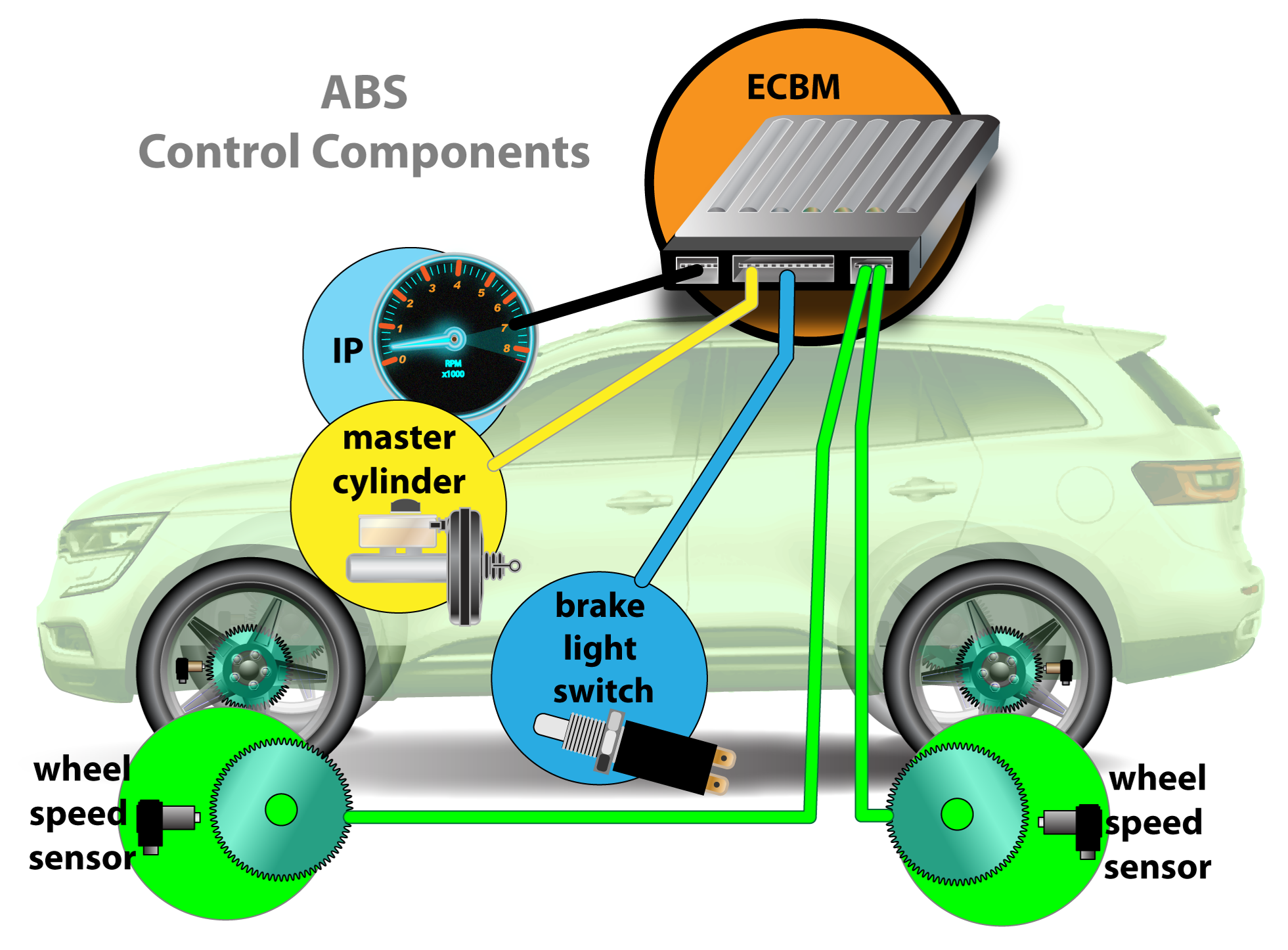
A typical ABS includes:
• Wheel speed sensors that monitor each wheel
• An electronic control module that reads sensor data
• A hydraulic control unit that changes brake pressure
• Valves and a pump that release and restore pressure
ABS does not always shorten stopping distance. On dry pavement, a skilled driver may stop in a similar distance without ABS. Its main benefit is helping you keep control and steer around danger during hard braking.

How Does an Anti-Lock Braking System Work?
To understand what is anti lock on a car, picture four tires traveling over the road. Each wheel may slow at a different rate when you press the brake pedal. If one wheel slows much faster than the others, it may be close to locking.
The wheel speed sensor detects this change. The ABS control module then tells a valve to reduce brake pressure at that wheel. When the wheel begins turning normally again, the system restores pressure.
This process can happen several times each second. You may feel a rapid pulsing or buzzing through the brake pedal. That feeling is normal when ABS works.
The basic ABS cycle follows these steps:
You press the brake pedal firmly.
A sensor detects that one or more wheels are slowing too quickly.
The system reduces brake pressure to the affected wheel.
The wheel begins rotating again.
The system reapplies brake pressure.
The cycle repeats until the car stops or you release the pedal.
Older systems often controlled both front wheels together. Most modern cars use four-channel ABS, which can control each wheel more precisely. Some vehicles also combine ABS with electronic stability control and traction control.
ABS works in the background during normal driving. You may never notice it until a sudden stop, slippery road, or emergency maneuver makes it necessary.
Why Do Cars Need Anti-Lock Brakes?
A locked tire has limited ability to change direction. This creates a serious problem if an object suddenly appears in your lane. You may press the brake, but the car can slide straight ahead.
ABS helps preserve steering control. For example, if a child runs into the street or traffic stops suddenly, you can brake hard and still try to steer around the hazard.
ABS can be especially helpful on:
• Wet roads
• Snow-covered roads
• Icy surfaces
• Gravel
• Loose dirt
• Roads with different grip levels under each tire
The system is not magic. It cannot create traction where none exists. A car can still slide on ice, and ABS cannot overcome worn tires, excessive speed, or unsafe following distance.
The Insurance Institute for Highway Safety has long recognized electronic stability control and related braking systems as important safety technologies. Federal vehicle safety rules also require ABS on many classes of passenger vehicles and larger vehicles sold in the United States.
The best way to think about ABS is as a backup tool. It supports good driving habits, but it does not replace safe speed, good tires, or enough space to stop.

What Does ABS Feel Like When It Activates?
Many drivers become alarmed the first time ABS activates. The brake pedal may pulse, push back against your foot, or make a fast clicking sound. These sensations usually mean the system is working.
When ABS activates, do the following:
• Press the brake pedal firmly.
• Keep steady pressure on the pedal.
• Look and steer toward a safe path.
• Do not pump the brakes.
Pumping the brakes can interfere with the system. ABS already performs that task much faster than a human driver can.
A practical lesson is to avoid lifting your foot just because the pedal feels strange. In an emergency, many people mistake the pulsing sensation for a brake failure. In most cases, maintaining firm pressure gives ABS the best chance to control the wheels.
ABS may activate for only a moment. It may also continue pulsing until the car slows enough or the road grip improves.

What Is the Difference Between ABS and Regular Brakes?
Regular brakes use friction to slow the wheels. When you press the brake pedal, brake fluid moves through the hydraulic system and pushes brake pads against rotors or shoes against drums.
ABS adds electronic control to that basic braking system. It watches wheel movement and adjusts pressure when a wheel is about to lock.
Here is the main difference:
• Regular brakes: The driver controls brake pressure directly.
• ABS brakes: The driver applies pressure, while the system adjusts pressure at individual wheels when needed.
A car with ABS still has normal braking when the system is not active. The brakes should feel smooth and predictable during everyday stops.
ABS is also different from traction control. ABS helps prevent wheel lock during braking. Traction control helps prevent drive wheels from spinning during acceleration. Electronic stability control uses braking and engine control to help keep the vehicle on its intended path.
These systems often share sensors and computer hardware, but they perform different jobs.

What Does the ABS Warning Light Mean?
The ABS warning light usually looks like the letters “ABS” inside a circle or bracket. If it comes on briefly when you start the car and then turns off, the system is likely completing a normal self-check.
If the light stays on, the car has detected a fault. The regular brakes may still work, but the anti-lock function may be disabled. Some vehicles also display a traction control or stability control warning at the same time.
Common causes include:
• A damaged wheel speed sensor
• Broken or dirty sensor wiring
• A low brake fluid level
• A failed ABS pump or valve
• A blown fuse
• A weak battery or charging problem
• A damaged tone ring or wheel bearing
• Corrosion in an electrical connector
You should not ignore an ABS warning light. Drive carefully, avoid hard braking when possible, and arrange a professional inspection soon. If the red brake warning light also appears, the pedal feels soft, or the car pulls sharply, stop driving and seek immediate help.
A basic code scan may identify the problem, but a proper diagnosis often requires live sensor data and a visual inspection. Replacing a sensor without testing the wiring can waste money.
What Is Anti Lock on a Car When Driving on Snow or Ice?
On snow and ice, ABS can help keep the wheels from locking, but stopping may still take much longer. Some loose snow can build in front of locked tires and create a small wedge. Because of this, a non-ABS vehicle may sometimes stop in a shorter distance on deep, loose snow.
Even so, ABS usually gives you more steering control. That control can matter more than a small difference in stopping distance.
When driving on snow or ice:
• Slow down before curves and hills.
• Leave a large gap between vehicles.
• Use smooth steering and pedal movements.
• Press the brake firmly if an emergency occurs.
• Do not pump the brake pedal.
• Keep winter tires properly inflated.
All-season tires are not equal to winter tires. Tire rubber becomes harder in cold weather, while winter tires are designed to maintain better grip at low temperatures.
ABS cannot make an unsafe speed safe. It also cannot guarantee that you will avoid a skid. Treat the system as a safety net, not a substitute for planning.
Does ABS Reduce Stopping Distance?
The answer depends on the road, tires, vehicle, and driver. ABS often helps prevent a dangerous skid and allows the driver to steer. It may reduce stopping distance on some surfaces, but it can increase distance on loose gravel or deep snow.
Stopping distance has two parts:
• Reaction distance: The distance traveled before you respond.
• Braking distance: The distance traveled after braking begins.
ABS mainly affects braking control. Your speed and attention strongly affect reaction distance.
For example, doubling your speed can greatly increase the energy your brakes must manage. Worn tires, poor alignment, rain, heavy loads, and steep roads can also increase stopping distance.
The safest approach is simple: keep your eyes up, maintain a safe following distance, and slow down before hazards. Even the best ABS system cannot stop a car instantly.

How Should You Use ABS During an Emergency Stop?
If a crash is about to happen, use the brakes with confidence. Many drivers hesitate because they fear damaging the vehicle or losing control. Modern ABS is built for this type of event.
Follow these steps:
Look toward the open space where you want the car to go.
Press the brake pedal hard and keep pressure on it.
Steer around the hazard if there is a safe path.
Avoid sudden extra steering movements.
Release the pedal only when you need to change direction or when the danger has passed.
Do not use the parking brake during a normal ABS emergency stop. The parking brake can lock the rear wheels or make the vehicle unstable.
If your car has an automatic emergency braking system, remember that it is separate from your own responsibility as a driver. It may not detect every object, road condition, or cyclist. Keep your attention on the road.

Common ABS Problems and Maintenance Tips
ABS parts are generally durable, but they operate near the wheels, where they face water, salt, dirt, heat, and impact. A wheel speed sensor can fail after a damaged bearing, a wiring problem, or road debris.
Signs of an ABS problem may include:
• An illuminated ABS warning light
• A traction control warning
• Unexpected ABS activation at low speed
• A grinding or clicking noise
• A speedometer that stops working
• Uneven braking or vehicle pulling
• A brake pedal that feels soft or unusually hard
You can help protect the system by following a few basic habits:
• Check brake fluid at the intervals listed in the owner’s manual.
• Inspect tires for damage and uneven wear.
• Keep tire pressures at the recommended level.
• Repair wheel bearing noise promptly.
• Avoid spraying harsh cleaners directly at electrical connectors.
• Have warning lights diagnosed instead of simply reset.
One mistake worth avoiding is assuming that an ABS light always means the brake pads are worn. It may be a sensor, wiring, module, or voltage issue. A trained technician should test the system before parts are replaced.
ABS, EBD, Brake Assist, and Stability Control
Modern brake systems often include several connected technologies. Knowing their roles makes the answer to what is anti lock on a car much clearer.
Electronic brake-force distribution
Electronic brake-force distribution, or EBD, adjusts braking force between the front and rear wheels. It helps account for changes in vehicle load and weight transfer during braking.
Brake assist
Brake assist detects a rapid emergency pedal application. It may increase hydraulic pressure when the driver does not press hard enough to reach maximum braking force.
Traction control
Traction control reduces wheel spin during acceleration. It may reduce engine power or apply braking to a spinning drive wheel.
Electronic stability control
Electronic stability control compares the driver’s steering input with the vehicle’s actual movement. If the car begins to understeer or oversteer, the system can apply individual brakes and reduce engine power.
These systems work together, but they are not interchangeable. ABS focuses on preventing wheel lock during braking.
Is It Safe to Drive With the ABS Light On?
It may be possible to drive carefully with only the ABS light on, because the standard hydraulic brakes may still function. However, the car may not have anti-lock protection or stability control during an emergency.
Your driving risk is higher on wet, icy, or loose roads. Have the vehicle checked as soon as practical.
Do not drive if you notice any of these conditions:
• A red brake warning light
• A soft or sinking brake pedal
• A major fluid leak
• Severe grinding
• A strong pull to one side
• Smoke or burning odor near a wheel
In these cases, stop in a safe place and arrange towing or professional assistance. A warning light is useful because it gives you an early signal before a small fault becomes a larger safety problem.
Frequently Asked Questions About What Is Anti Lock on a Car
What does anti-lock mean on a car?
Anti-lock refers to the anti-lock braking system, or ABS. It prevents the wheels from locking during hard braking so you can keep better steering control.
Should I pump the brakes when ABS activates?
No. Press the brake pedal firmly and hold it down. ABS automatically releases and reapplies brake pressure much faster than you can pump the pedal.
Can ABS fail while regular brakes still work?
Yes. A failed ABS sensor, fuse, module, or wiring connection may disable the anti-lock function while leaving basic braking available. Drive cautiously and have the warning light diagnosed.
Why does my brake pedal pulse during hard braking?
A pulsing pedal often means ABS is active. The system is rapidly changing brake pressure to keep the wheels turning instead of sliding.
Does ABS work better with new tires?
ABS depends on tire grip, so tires with good tread and the correct pressure help it perform properly. Worn or poorly inflated tires can reduce braking and steering control even when ABS works correctly.
Can ABS stop a car faster on ice?
ABS can help you maintain steering control on ice, but it cannot create traction. Stopping distances can still be long, so reduce speed and leave extra space.
Is ABS required on cars in the United States?
Many modern passenger vehicles sold in the United States are required to have ABS or related braking safety equipment. Requirements can vary by vehicle type and model year, so check the vehicle specifications for a particular car.
Conclusion
Understanding what is anti lock on a car helps you respond correctly when the road suddenly becomes dangerous. ABS uses sensors, a control module, and hydraulic valves to prevent wheel lock during hard braking. Its greatest advantage is preserving steering control, not guaranteeing the shortest stop in every condition.
If the ABS light stays on, arrange a diagnosis instead of ignoring it. Keep your tires, brakes, and wheel sensors in good condition, and remember to press firmly without pumping the pedal during an emergency. Share this guide with another driver or explore your owner’s manual to learn how your car’s safety systems work.