

Most car air filters need replacement every 12,000 to 15,000 miles, or about once a year.
Knowing how often to replace the air filter in your car helps protect the engine, support fuel economy, and keep performance steady. The right schedule depends on your vehicle, driving conditions, and the type of filter installed. This guide explains the signs, timing, costs, and simple checks that help you make the right choice.
What Does a Car Air Filter Do?
The engine air filter cleans the air that enters your engine. It traps dust, dirt, sand, insects, and other small particles before they reach sensitive engine parts.
Your engine needs a steady mix of air and fuel to run well. A clean filter allows enough air to enter. A clogged filter restricts airflow, much like a dusty mask makes breathing harder.
A car air filter is different from the cabin air filter. The engine air filter protects the engine, while the cabin filter cleans air that enters the passenger area through the heating and air conditioning system.
Knowing how often to replace the air filter in your car starts with checking the correct filter. Replacing the cabin filter will not solve an engine air filter problem.
How Often to Replace the Air Filter in a Car
Most manufacturers recommend replacing the engine air filter between 12,000 and 15,000 miles. For many drivers, this equals once every 12 months.
Some vehicles can safely go 30,000 miles or more under light driving conditions. Others need a new filter much sooner. Your owner’s manual is the best starting point because filter design and engine needs vary by model.
A useful replacement guide looks like this:
• Normal city and highway driving: Check every 12,000 miles and replace as needed.
• Mostly highway driving in clean areas: Replacement may be needed around 20,000 to 30,000 miles.
• Dusty roads or construction zones: Check every 5,000 to 10,000 miles.
• Rural dirt roads: Inspect often and replace when the filter looks dirty or damaged.
• Heavy traffic and stop-and-go driving: Follow the shorter end of the manufacturer’s interval.
• High-performance or turbocharged engines: Use the vehicle maker’s schedule and inspect the filter more often.
The answer to how often to replace the air filter in your car should not rely on mileage alone. Time, road conditions, weather, and engine design all matter.

Factors That Change the Replacement Schedule
Mileage gives you a helpful estimate, but it does not tell the whole story. Two cars with the same mileage may need air filter replacement at very different times.
Dust, dirt, and road conditions
Driving on gravel roads, unpaved roads, or through desert areas can fill a filter quickly. Construction dust and agricultural fields can also add a heavy load of fine particles.
A filter may look clean from the outside while being packed with dust inside. This is why regular inspection matters in harsh conditions.
Climate and weather
Dry climates often create more airborne dust. Areas with wildfire smoke, heavy pollen, or long periods of poor air quality may also dirty filters faster.
Wet weather does not always mean a cleaner filter. Moisture can combine with dirt and cause the filter material to swell or weaken.
Driving style
Frequent short trips can create more stress than steady highway driving. The engine may run for many minutes without reaching its ideal temperature, and the car may spend more time in traffic.
Drivers who accelerate hard or carry heavy loads may also move more air through the engine. That can load the filter faster.
Vehicle design
Some engines use large filters that hold more dirt. Others use smaller filters or systems that are more sensitive to airflow limits.
Turbocharged engines can be especially dependent on clean, unrestricted air. Always use the filter type and service interval recommended for your specific vehicle.
Filter quality
A high-quality filter should trap dirt while still allowing proper airflow. Very cheap filters may not fit well or may use weaker materials.
Reusable performance filters have their own care schedule. They must be cleaned and oiled correctly. Too much oil can affect airflow sensors in some vehicles.
Signs Your Engine Air Filter Needs Replacement
A dirty air filter does not always cause a warning light. You may notice small changes first, such as slower response or rougher running.
Watch for these common signs:
• Reduced acceleration: The engine may feel weak when joining traffic or climbing hills.
• Lower fuel economy: A restricted filter can affect the engine’s air and fuel control.
• Rough idling: The engine may vibrate or run unevenly while stopped.
• Engine hesitation: The car may pause briefly when you press the accelerator.
• Unusual engine sounds: A restricted intake can change the sound of the engine.
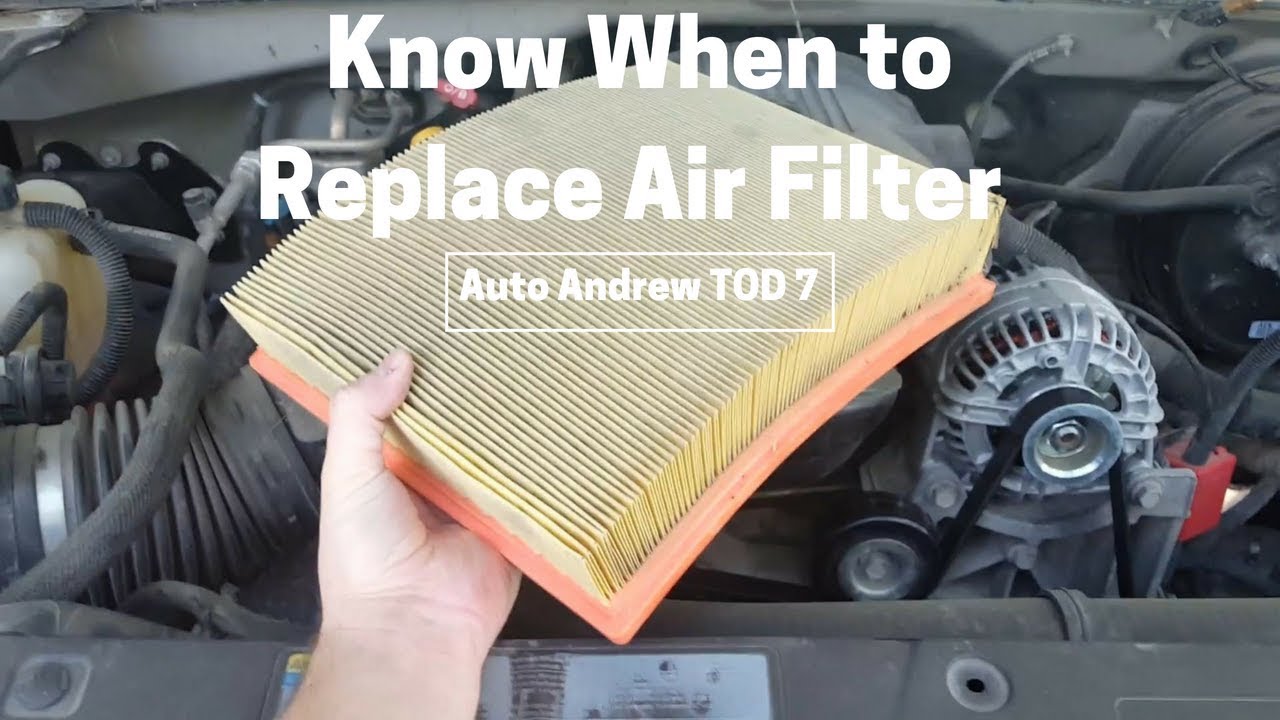
• Dark or dirty filter material: Gray dust, leaves, and debris show that the filter is doing its job and may be near the end of its life.
• Check engine light: A dirty filter can contribute to airflow problems, although many other issues can trigger the same light.
A dirty filter does not prove that it caused every performance problem. Faulty spark plugs, weak fuel pressure, a damaged sensor, or air leaks can create similar symptoms.
The safest approach is to inspect the filter and check for other causes before buying parts. This is one reason how often to replace the air filter in your car should be based on both the service schedule and its actual condition.
How to Check a Car Air Filter at Home
Checking an engine air filter often takes only a few minutes. You usually need no special tools, but some vehicles require a screwdriver or socket to open the air box.
Follow these steps:
Park the car on a level surface and turn off the engine.
Open the hood and find the air filter housing. It is usually a black plastic box connected to a large intake tube.
Release the clips or remove the fasteners that hold the housing closed.
Lift the cover carefully. Avoid dropping dirt into the open intake.
Remove the filter and note which way it fits.
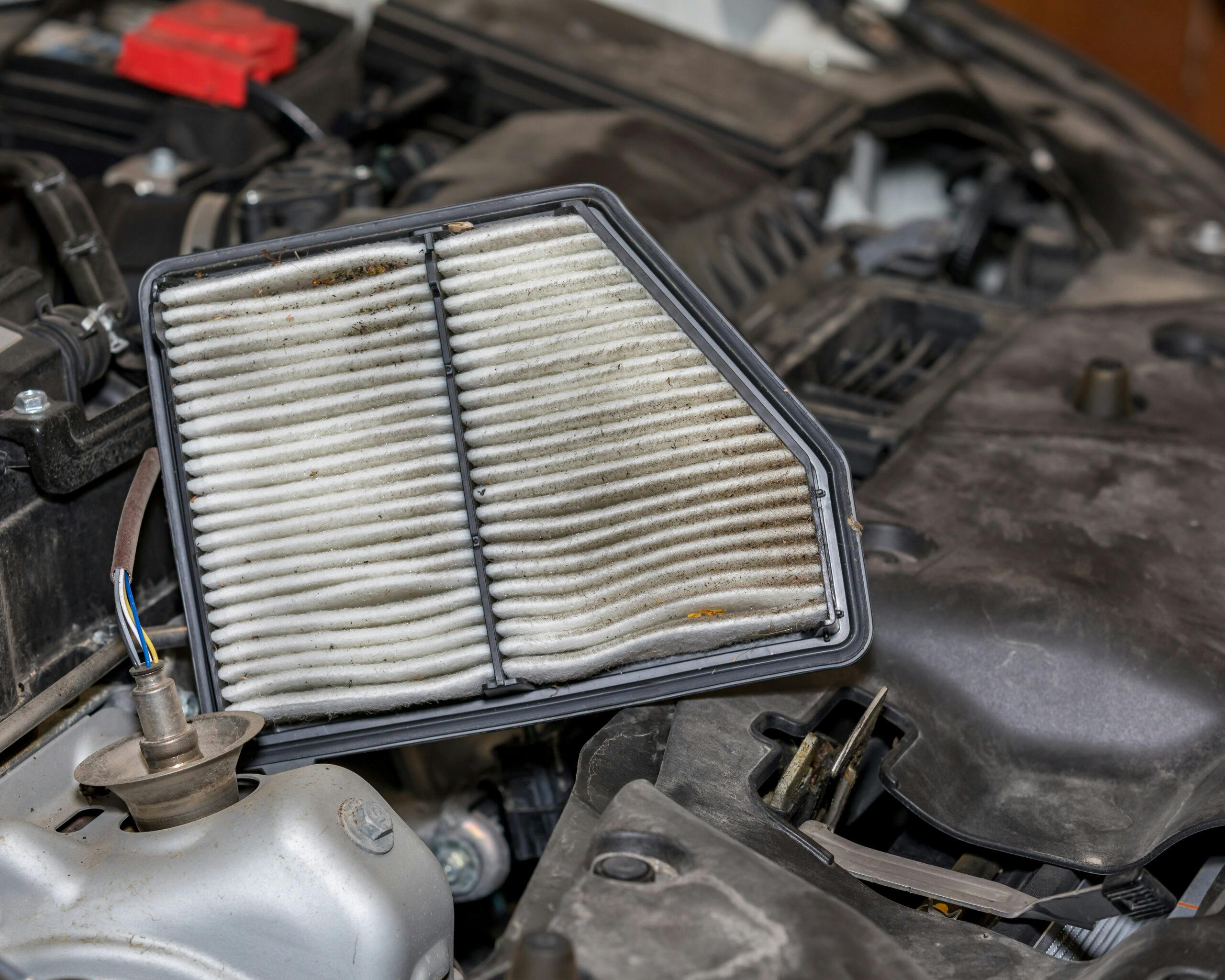
Hold the filter toward a bright light.
Look for heavy dust, leaves, oil, water damage, tears, or a crushed seal.
Compare the filter with a new one if you are unsure.
A light coating of dust is normal. A filter that blocks much of the light, has damaged pleats, or has a poor seal should usually be replaced.
Do not use compressed air to clean a disposable paper filter. High-pressure air can damage the filter fibers and push dirt deeper into the material. Reinstalling a damaged filter may allow unfiltered air into the engine.

Can You Clean a Disposable Car Air Filter?
Most paper engine air filters are designed for replacement, not washing. Water can weaken the filter material, and brushing can create holes that are too small to see.
A gentle tap may remove loose leaves or large particles during an inspection. It will not restore a filter that is packed with fine dust.
Reusable cotton or foam filters are different. Follow the maker’s instructions for cleaning, drying, and applying filter oil. Never install a reusable filter while it is wet.
If the filter is inexpensive and visibly dirty, replacement is usually safer and faster than trying to clean it. This simple rule makes knowing how often to replace the air filter in your car much easier.
What Happens If You Wait Too Long?
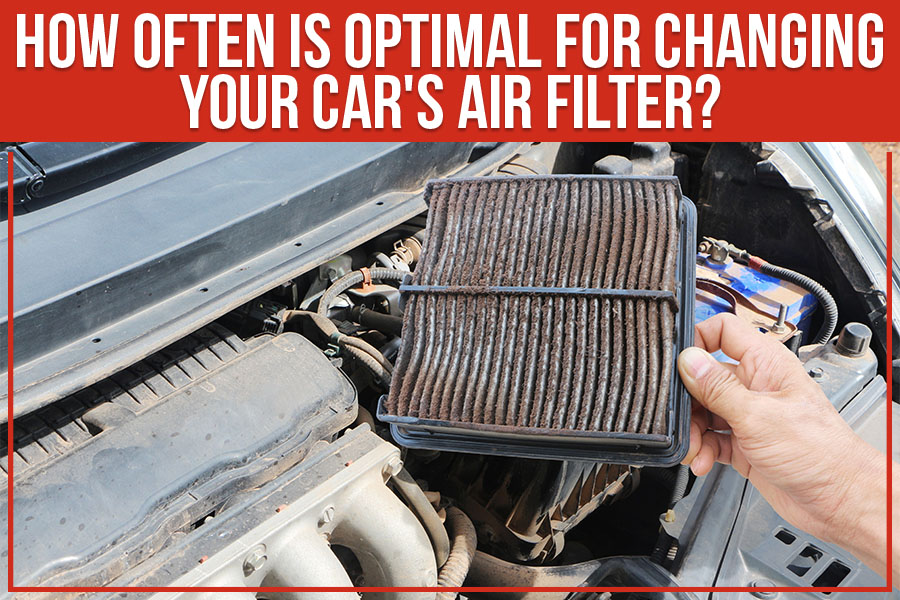
A clogged engine air filter reduces the amount of air available for combustion. Modern engine computers can adjust fuel delivery, but they cannot always overcome a severe restriction.
Possible effects include:
• Slower throttle response
• Lower engine power
• Poorer fuel economy
• Rough or uneven operation
• Increased exhaust emissions
• More stress on related intake parts
A neglected filter can also allow dirt past a damaged seal. Abrasive particles may then enter the engine intake. Over time, this can contribute to wear in internal parts, although the exact risk depends on the filter condition and the vehicle.
A dirty air filter usually does not destroy an engine overnight. The bigger concern is repeated driving with restricted airflow or a filter that no longer seals correctly.
Replacing the filter on time is a low-cost form of prevention. It is similar to changing a smoke alarm battery before the alarm fails. The part is small, but it supports a much larger system.

Does a New Air Filter Improve Gas Mileage?
A new air filter can improve airflow and restore normal engine operation. However, the fuel savings may be small on modern fuel-injected vehicles if the old filter was only mildly dirty.
Older vehicles with carburetors often showed a clearer fuel economy benefit from a clean filter. Newer vehicles use oxygen sensors, airflow sensors, and computer controls to adjust the air and fuel mixture.
You may notice a stronger benefit when:
• The old filter was severely clogged.
• The vehicle already had poor acceleration.
• The engine was running rich.
• The car is older or has a simple fuel system.
• The vehicle operates in dusty conditions.
A filter replacement should not be treated as a guaranteed fuel-saving trick. Correct tire pressure, smooth driving, proper oil service, and timely spark plug replacement may have a greater effect on fuel use.
Still, replacing a dirty filter helps the engine receive the air it was designed to use. That is the main reason how often to replace the air filter in your car belongs on your regular maintenance checklist.
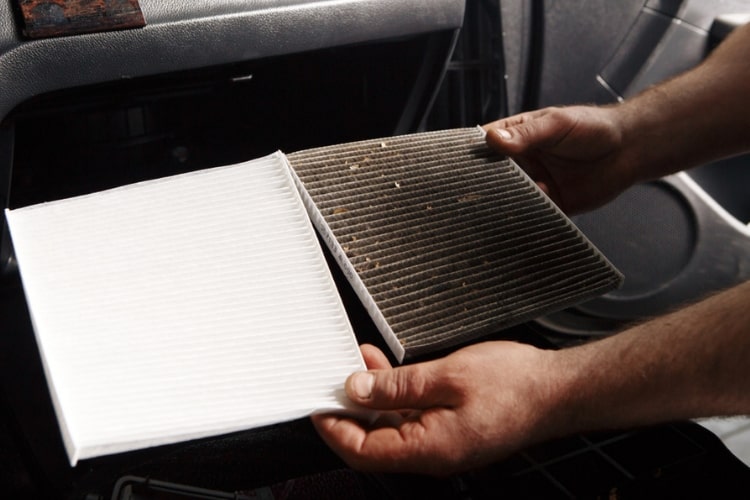
Engine Air Filter vs. Cabin Air Filter
Many drivers confuse these two filters because both remove unwanted particles. They serve different systems and have different replacement schedules.
The engine air filter protects the engine from abrasive dirt. It is usually located under the hood.
The cabin air filter cleans air for the occupants. It is often behind the glove box, under the dashboard, or near the windshield cowl.
A dirty cabin filter may cause:
• Weak airflow from the vents
• Musty smells
• More dust inside the car
• Noisy blower operation
• Reduced heating or air conditioning airflow
A cabin filter often needs replacement every 15,000 to 30,000 miles, but dusty areas may require a shorter interval. Check your owner’s manual for the correct schedule.
Changing one filter does not replace the other. Include both in your maintenance plan.
How Much Does an Engine Air Filter Replacement Cost?
An engine air filter is usually one of the least expensive maintenance parts. The filter itself often costs about $10 to $40, depending on the vehicle and brand.
A repair shop may charge around $30 to $100 for parts and labor. Some luxury, performance, or difficult-to-access vehicles may cost more.
Replacing the filter yourself can save labor costs if the housing is easy to reach. Before you begin, confirm the correct part number and make sure the new filter fits tightly.
Avoid choosing a filter based only on the lowest price. A poor fit can let dirty air bypass the filter. A trusted brand with the correct size and seal is often the better value.
If a shop recommends replacement, ask to see the old filter. A reputable technician should be comfortable explaining its condition and showing signs of restriction or damage.
Common Mistakes to Avoid
Small errors can reduce the value of a new filter or cause another problem. Keep these points in mind:
• Installing the filter backward: Follow the airflow arrow or the shape of the old filter.
• Leaving the air box loose: The housing must close fully so air cannot bypass the filter.
• Dropping dirt into the intake: Cover the opening if you need to pause during the job.
• Using the wrong part: Confirm the vehicle year, engine size, and trim.
• Overlooking a wet filter: Water damage can weaken the filter and point to an intake problem.
• Cleaning a disposable filter with water: Replace it instead.
• Ignoring oil on the filter: Oil may indicate an intake or engine ventilation issue that needs inspection.
• Replacing the filter without checking the housing: Leaves, rodent nests, and cracks can also restrict airflow.
One service-bay lesson is especially useful: do not replace parts based on a guess when a quick inspection can confirm the problem. Checking the filter first prevents wasted money and helps you spot damage early.
A Practical Maintenance Plan
You can make air filter care simple by connecting it with other routine service tasks.
Use this plan:
Check the owner’s manual for the official interval.
Inspect the filter at every oil change or at least once a year.
Inspect it sooner after driving through dust, smoke, flooding, or construction zones.
Replace it when it is heavily dirty, damaged, wet, or poorly sealed.
Record the date and mileage in your maintenance notes.
Reset your personal reminder for the next inspection.
The best answer to how often to replace the air filter in your car may be different from the answer for another driver. A person who drives 10,000 clean highway miles may need fewer replacements than someone who drives 5,000 dusty rural miles.
If you recently bought a used car, inspect the filter instead of trusting the seller’s maintenance claims. A fresh filter is inexpensive, and its condition can reveal how well the car was cared for.
How Often to Replace the Air Filter in a Car: Quick Reference
Use this table as a general guide, not as a replacement for the owner’s manual.
| Driving conditions | Inspection timing | Likely replacement range |
|---|---|---|
| Clean highway driving | Every 12,000 miles | 20,000 to 30,000 miles |
| Mixed city and highway driving | Every 10,000 to 12,000 miles | 12,000 to 20,000 miles |
| Heavy traffic | Every 8,000 to 10,000 miles | 10,000 to 15,000 miles |
| Gravel or dirt roads | Every 5,000 miles | 5,000 to 10,000 miles |
| Desert or dusty areas | Every 3,000 to 5,000 miles | As needed after inspection |
| Smoke, flooding, or severe debris | Immediately after the event | Replace if wet or damaged |
These ranges are broad because air filter life depends on the car and the environment. When the manual gives a different interval, follow the manufacturer’s guidance unless a qualified technician recommends a change based on severe conditions.
Frequently Asked Questions About How Often to Replace the Air Filter in a Car
How often should I replace the air filter in my car?
Most drivers should inspect the engine air filter at least once a year and replace it around every 12,000 to 15,000 miles. Dusty roads, heavy traffic, and poor air quality may require more frequent replacement.
Can a dirty air filter cause a check engine light?
It can contribute to airflow problems that trigger a check engine light, but it is not the only possible cause. Use a diagnostic scan and inspect the filter before assuming the filter is responsible.
How do I know if my car air filter is bad?
Look for heavy dirt, blocked pleats, tears, moisture, oil, or a damaged seal. Poor acceleration, rough idling, and reduced fuel economy can also suggest a restricted filter, but other engine faults may cause the same symptoms.
Is it safe to drive with a dirty engine air filter?
Driving briefly with a mildly dirty filter is usually not an emergency. However, a severely clogged or damaged filter can reduce performance and allow dirt into the engine, so it should be checked and replaced soon.
Should I replace the air filter during every oil change?
Not always. Inspecting the filter during an oil change is a good habit, but replacement depends on its condition and the vehicle’s maintenance schedule.
Can I wash a paper air filter?
No. Disposable paper filters should not be washed because water and scrubbing can damage the filter material. Replace the filter with the correct new part.
Does replacing the air filter make a car faster?
A new filter may restore lost power if the old one was severely restricted. It usually does not add power beyond the engine’s normal factory performance.
Conclusion
Most car air filters last about 12,000 to 15,000 miles, but dusty roads, traffic, climate, and vehicle design can shorten that interval. Inspect the filter at least once a year, follow the owner’s manual, and replace it when it is heavily dirty, damaged, wet, or poorly sealed.
A clean engine air filter supports proper airflow and helps your car run as intended. Check yours at your next oil change, keep a record of the mileage, and share your maintenance experience in the comments.