

Yes, you can use dish soap to wash your car once, but regular use may damage its protective finish.
If you are wondering, “can i use dish soap to wash my car,” the answer depends on your car’s paint, wax, and cleaning needs. Dish soap can remove dirt fast, but it is made for grease-cutting kitchen messes, not delicate automotive finishes. This guide explains when it is safe, what can go wrong, and how to wash your car without dulling the paint.

Can i use dish soap to wash my car?
Yes, you can use dish soap to wash your car in an emergency or for a one-time deep clean. However, it should not become your normal car wash soap.
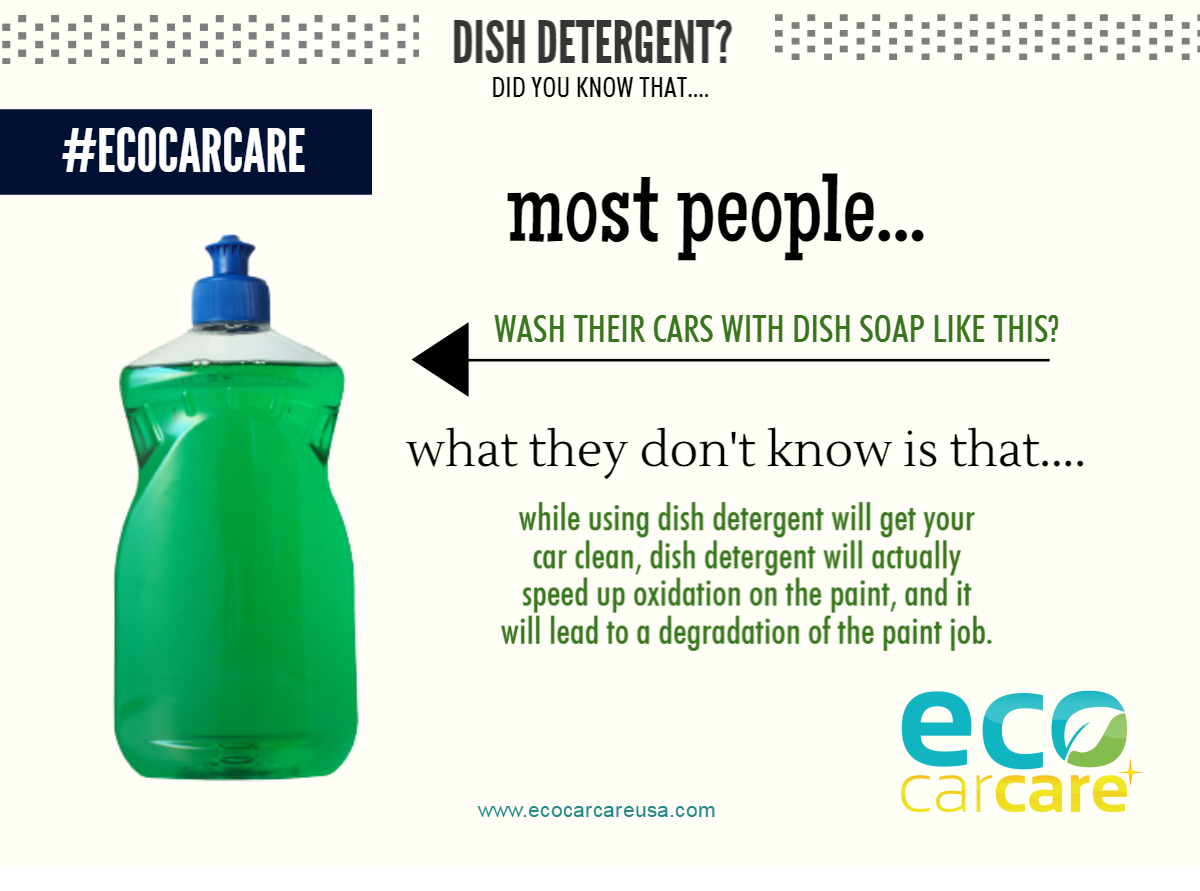
Dish soap contains strong cleaning agents called surfactants. These agents lift oil and food grease from plates, pans, and utensils. That same power can strip wax, paint sealants, and some protective coatings from a car’s surface.
A modern car’s paint has more than color. It usually has a clear coat that protects the colored layer below. On top of that clear coat, many owners apply wax, polish, or a ceramic coating. Dish soap may not damage the clear coat after one wash, but it can remove the protection sitting on top.
So, can i use dish soap to wash my car without causing harm? Usually, yes, if you use it rarely, dilute it well, and rinse the car fully. For routine washing, use a pH-balanced car shampoo made for automotive paint.
Why dish soap is not the best car wash soap
Dish soap and car wash soap may look similar, but they serve different purposes. Dish soap is designed to break down cooking oils. Car soap is designed to remove road film while being gentler on wax and paint protection.
The main concerns include:
It can remove wax
Car wax creates a thin barrier over the clear coat. It helps water bead and can reduce the effect of sunlight, dirt, and road salt. Dish soap can weaken or remove this layer, especially when used often or at a high concentration.
It may dry the surface
Strong detergents can leave paint feeling dull or dry. This effect may be hard to see at first. Over time, repeated washing with harsh soap can make the finish look less bright.
It can affect rubber and plastic trim
Exterior trim, seals, and wiper components need gentle care too. Frequent exposure to strong cleaners may cause some rubber or plastic parts to lose their rich color or become dry.
It may leave residue
Some dish soaps contain fragrance, moisturizers, dyes, or additives. These ingredients can leave a film if the car is not rinsed well. That film may attract dust and make the paint look uneven.
This does not mean one dish soap wash will ruin your car. The real risk comes from using it as a regular replacement for car shampoo.

When can i use dish soap to wash my car?
There are a few situations where using dish soap may make sense. The key is to treat it as a short-term solution, not a standard car care method.
You may use a small amount of dish soap when:
• You need to remove fresh grease or oily residue from the paint.
• You are preparing an older car for polishing or waxing.
• You have no car shampoo available and need to remove heavy dirt.
• You are cleaning a car before selling it and plan to apply new protection afterward.
• You need to remove tree sap, road film, or oily buildup from a small area.
Dish soap can be useful for a deep clean before applying a new wax. Still, it is not always the best choice. A dedicated automotive degreaser or strip wash is safer because it is made for vehicle surfaces.
If you ask, can i use dish soap to wash my car after a fresh wax, the answer is no. Use a gentle car shampoo instead. Dish soap may reduce the life of the wax you just applied.

When should you avoid dish soap?
Avoid dish soap when your car has valuable paint protection or a delicate finish. This includes newer vehicles, classic cars, freshly polished cars, and cars with ceramic coatings.
Do not use dish soap if:
• Your car has a fresh wax or paint sealant.
• You recently applied a ceramic coating.
• The paint is already faded, chalky, or heavily oxidized.
• The car has vinyl wraps or paint protection film unless the product maker approves it.
• You are washing the car often.
• The weather is very hot and the surface will dry quickly.
A wrapped vehicle may need a specific soap with a safe pH range. Ceramic coatings also need gentle maintenance. Dish soap will not always remove a ceramic coating in one wash, but repeated use can reduce water behavior and shorten the coating’s useful life.
In my experience, the most common mistake is not the soap itself. It is letting the solution dry on hot paint. Dry soap can leave spots and make the rinse process much harder.
How to use dish soap safely on a car
If dish soap is your only option, use it carefully. The goal is to reduce contact time and avoid rubbing grit across the paint.
What you need
• A mild, dye-free dish soap
• Two clean buckets
• A hose or pressure washer
• A soft microfiber wash mitt
• Several clean microfiber towels
• A separate wheel brush or mitt
Safe washing steps
Park in the shade and let the paint cool. Never wash hot panels if you can avoid it.
Rinse the entire car with clean water. This removes loose sand and dust before you touch the paint.
Add only a small amount of dish soap to one bucket of water. A teaspoon or two is often enough for a full bucket.
Fill the second bucket with clean rinse water.
Wash one small section at a time. Start at the roof and work downward.
Rinse the mitt in the clean-water bucket after each section.
Rinse the car before the soap dries.
Dry the surface with a clean microfiber drying towel.
Check the paint in good light for streaks, residue, or missed dirt.
Do not use a sponge, old bath towel, or rough brush on painted panels. These materials can trap grit and create fine scratches. A soft microfiber mitt is much safer.
So, can i use dish soap to wash my car with a pressure washer? Yes, but the pressure washer does not make dish soap safer. Use low pressure near trim, seals, cameras, and sensors, and never hold the nozzle close to the paint.

Dish soap versus car wash soap
The best car wash soap is made for clear coats and painted surfaces. It usually has a balanced formula that removes dirt without aggressively stripping wax.
| Feature | Dish soap | Automotive car shampoo |
|---|---|---|
| Main purpose | Removing food grease | Removing road dirt and film |
| Paint protection | May weaken wax | Usually safer for wax |
| Lubrication | Often limited | Made to reduce wash friction |
| Best use | Occasional emergency or deep clean | Regular vehicle washing |
| Effect on coatings | May reduce protection over time | Usually designed for coating care |
Car shampoo also provides better lubrication. Lubrication matters because dirt can act like tiny pieces of sandpaper. The more smoothly your wash mitt moves, the lower the chance of creating swirl marks.
Some car shampoos are made for waxed cars. Others are designed for ceramic coatings, matte paint, or heavy-duty cleaning. Read the label and choose a product that matches your vehicle’s finish.
If the question is, can i use dish soap to wash my car every weekend, choose car shampoo instead. It costs little per wash and protects the work you have already invested in your paint.

Can dish soap damage car paint?
Dish soap usually will not destroy a healthy clear coat after one careful wash. The greater concern is repeated use, strong concentration, poor rinsing, and harsh washing technique.
Paint damage often comes from several factors working together:
• Strong soap removes surface protection.
• Dirt remains on the paint during washing.
• A rough towel creates friction.
• The car dries in direct sun.
• Hard water leaves mineral spots.
• The same dirty mitt is used on the wheels and paint.
Clear coat damage is usually seen as swirl marks, hazing, dullness, or reduced gloss. Dish soap alone may not cause all these problems. However, it can remove the protective layer that helps reduce them.
If your paint looks dull after using dish soap, do not assume the clear coat is ruined. The surface may simply need a clay treatment, light polish, or fresh wax. Deep scratches and oxidation require more advanced repair.

How often should you wash your car?
Most cars benefit from washing every two weeks, but the ideal schedule depends on driving and weather conditions. A vehicle exposed to salt, mud, bird droppings, tree sap, or coastal air may need more frequent care.
Wash your car sooner when:
• Bird droppings sit on the paint.
• Tree sap covers the surface.
• Road salt builds up during winter.
• Mud blocks the wheel wells.
• Pollen and dust form a thick layer.
Bird droppings and tree sap can be acidic or sticky. They may stain the finish if left in place for too long. Soak them with water and remove them gently. Do not scrape dry debris from the paint.
For routine cleaning, use a two-bucket wash method. One bucket holds soapy water. The other holds rinse water for the mitt. This simple method helps keep grit away from the paint.

Mistakes to avoid when washing a car
Even the right soap can cause trouble if the washing process is poor. Avoid these common errors:
• Washing in direct, intense sunlight.
• Using hot water on a hot panel.
• Scrubbing dry dirt before rinsing.
• Using one bucket for the whole car.
• Washing wheels with the same mitt used on paint.
• Letting soap dry on the surface.
• Using household glass cleaner on every exterior surface.
• Drying with an old cotton towel.
• Applying wax over a dirty surface.
The worst mistake is rubbing grit into the paint. Think of each grain of sand as a tiny blade. Rinse first, use plenty of water, and move the mitt in straight lines rather than tight circles.
Also inspect your towels. A microfiber towel that has touched the ground should not touch your paint again until it has been washed properly.
What to use instead of dish soap
A pH-balanced car wash soap is the best general choice. These products are widely available at auto parts stores, online retailers, and many large stores.
Look for:
• A pH-balanced formula.
• Clear instructions for dilution.
• Good lubrication.
• Compatibility with wax or ceramic coatings.
• No harsh household degreasers.
For a quick clean, a rinseless wash can work well when used correctly. It requires less water and can be useful in areas with water restrictions. However, rinseless products are best for lightly dirty cars, not vehicles covered in thick mud.
A waterless wash may also work for light dust, but it requires plenty of clean microfiber towels. Never use a waterless product on heavy dirt. The lack of rinsing can increase the chance of scratches.
A professional detailer may use a strong cleaner for wheels, tires, engine bays, or greasy panels. These products should stay off delicate paint unless the label clearly allows that use.
What to do after using dish soap
If you used dish soap once, there is no need to panic. Rinse the vehicle well and inspect the finish after it dries.
You can restore protection by applying:
A spray wax for a fast and simple option.
A traditional paste or liquid wax for longer hand application.
A paint sealant for synthetic protection.
A ceramic spray product if it matches your existing coating.
Before applying protection, make sure the paint is clean and dry. If the surface feels rough after washing, a clay bar or clay mitt may remove bonded particles. Use plenty of lubricant and follow the product directions.
Do not polish automatically after one dish soap wash. Polishing removes a very small amount of clear coat. It should be used to correct real defects, not as a routine step after every wash.
Frequently Asked Questions
Can i use dish soap to wash my car once?
Yes, one careful wash with diluted dish soap is unlikely to harm healthy automotive paint. Rinse well, avoid hot panels, and apply fresh protection afterward if the soap removed your wax.
Will dish soap remove car wax?
Dish soap can weaken or remove some car wax, especially when used often or in a strong mix. A pH-balanced car shampoo is a better choice for maintaining wax protection.
Can i use Dawn dish soap to wash my car?
You can use it in an emergency, but it is not the best choice for regular washing. Its strong grease-cutting action may strip wax and leave trim or paint feeling dry over time.
Is dish soap safe for a ceramic-coated car?
It is better to avoid dish soap on ceramic-coated vehicles. Use a shampoo approved for ceramic coatings to preserve the coating’s water behavior and surface protection.
What is the best soap for washing a car?
The best soap is a pH-balanced automotive shampoo with good lubrication. Choose one made for your finish, such as waxed paint, ceramic coating, matte paint, or a vinyl wrap.
Can dish soap remove grease from car paint?
Dish soap can remove fresh grease and oily residue, but use it only on the affected area when possible. Rinse completely and apply a suitable paint protectant after cleaning.
Conclusion
So, can i use dish soap to wash my car? Yes, but only as an occasional backup or deep-clean option. It can remove grease and heavy film, yet frequent use may strip wax, reduce protection, and dry out exterior trim.
For regular care, choose a pH-balanced car shampoo, use two buckets, rinse before washing, and dry with clean microfiber towels. Treat your car’s paint like a clear coat of armor: clean it gently, protect it often, and avoid harsh shortcuts. Share your car washing experience or explore more paint care guides to keep your vehicle looking its best.
