How Long Do Brakes Last On A Car: Brake Life Guide
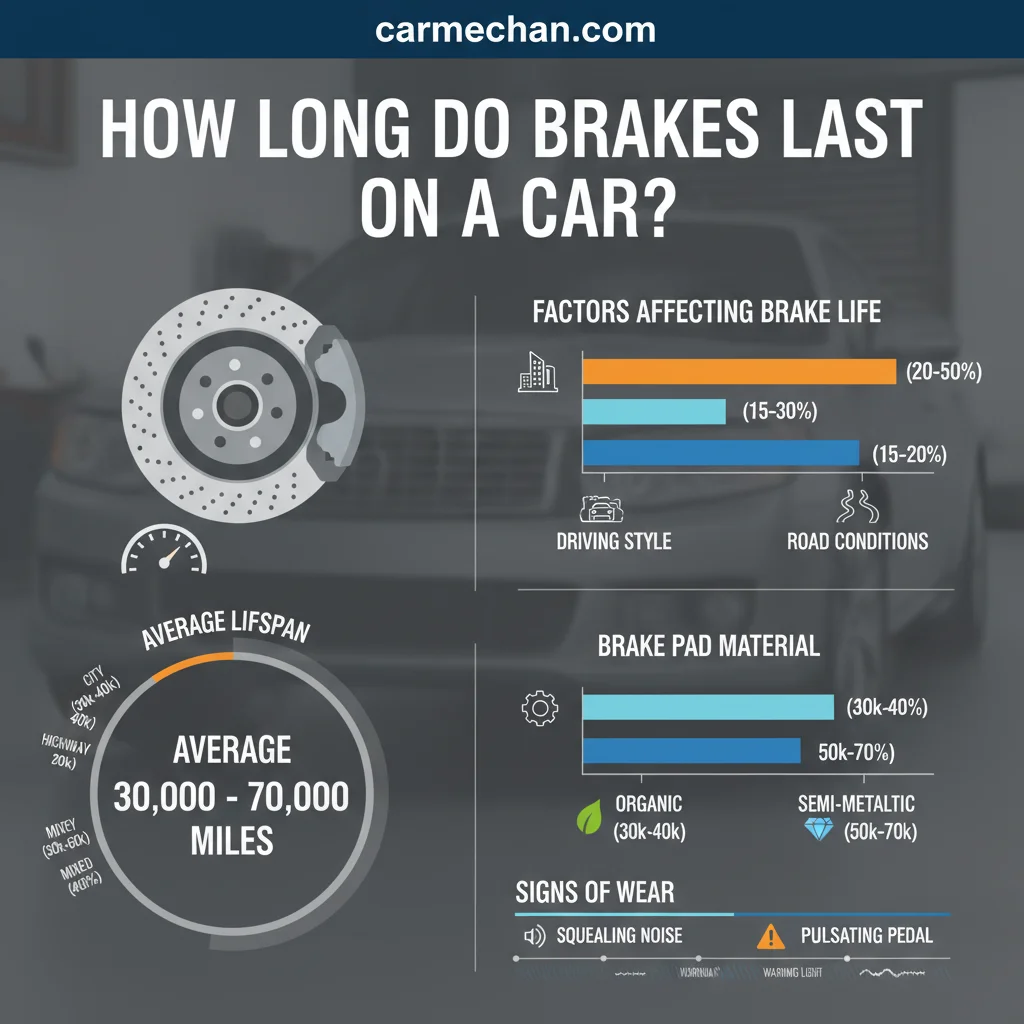
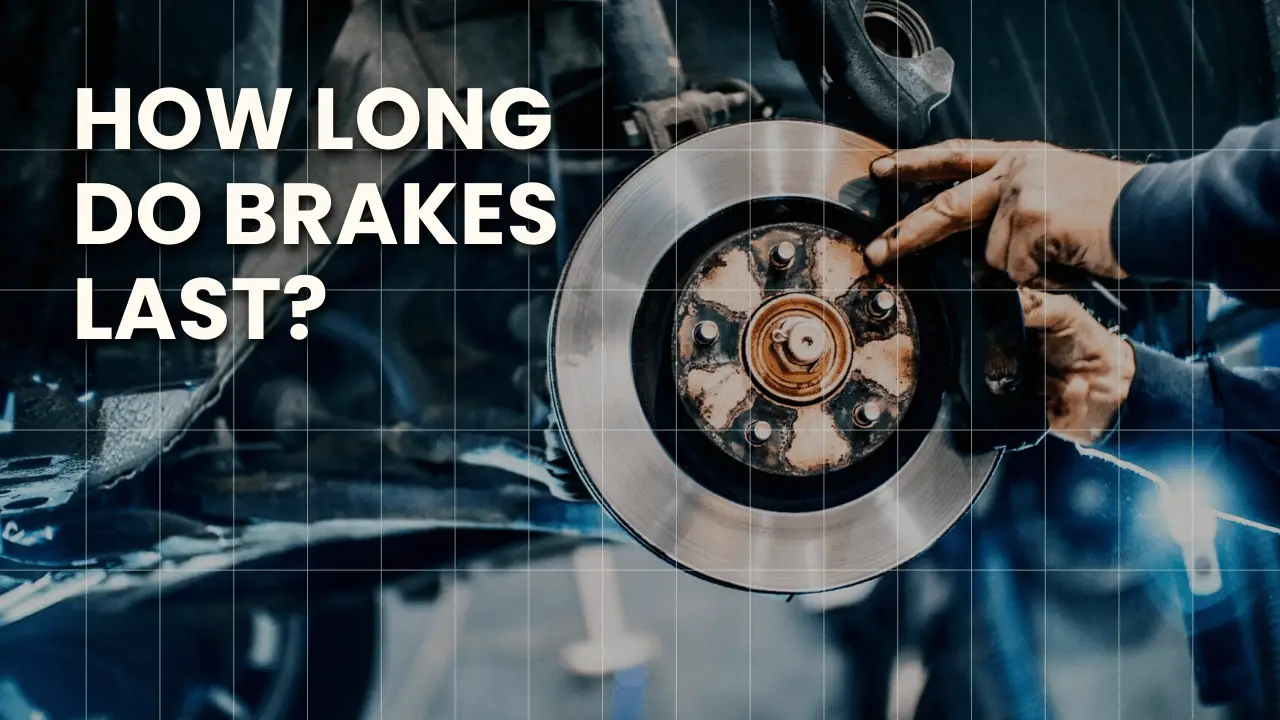
Most car brake pads last about 30,000 to 70,000 miles in the United States. Some may wear out near 20,000 miles, while others can last more than 80,000 miles. Brake rotors often last 50,000 to 80,000 miles, but they may need replacement sooner if they warp, crack, rust, or wear below the maker’s limit.
There is no single mileage rule for brakes. Your driving style, traffic, vehicle weight, road hills, climate, brake parts, and maintenance all affect brake life. The safest way to know is to check the pad thickness and rotor condition during regular service.
This guide explains how long car brakes last, what changes their life, which warning signs matter, and when you should stop driving and seek repair.
Key Takeaways
- Brake pads commonly last 30,000 to 70,000 miles.
- Brake rotors may last 50,000 to 80,000 miles, but mileage is only a rough guide.
- City traffic, steep hills, towing, hard braking, and heavy vehicles cause faster wear.
- A high-pitched squeal can mean the pads are low, but not every brake noise means the same thing.
- A grinding sound, soft pedal, pulling, fluid leak, or brake warning light needs prompt attention.
- Ask for the measured pad thickness and rotor condition instead of approving parts based only on mileage.
- A brake inspection is more useful than guessing from the odometer.
How Long Do Brake Pads Last?
Brake pads usually last 30,000 to 70,000 miles under mixed driving conditions. The range is broad because brake wear depends more on how a car is used than on its age alone.
A driver who spends most miles on open highways may get far more life from the same pads than a driver who makes short trips in stop-and-go traffic. A large SUV used for towing may also wear its pads faster than a small sedan.
Brake pads are the friction material that presses against the brake rotor. Each time you slow down, some of that material wears away. When the material becomes too thin, braking performance can decline and the metal backing plate may damage the rotor.
A mechanic may recommend replacement when the friction material reaches around 3 millimeters, but the exact limit varies. Some shops advise replacement earlier for safety and planning. The vehicle maker’s service information and the technician’s measurements should guide the decision.
Typical brake pad life by driving pattern
| Driving pattern | Possible pad life | Why |
|---|---|---|
| Mostly highway driving | 50,000–90,000 miles | Fewer stops and less friction |
| Mixed city and highway driving | 30,000–70,000 miles | Average use for many drivers |
| Heavy city traffic | 20,000–50,000 miles | Frequent stops and heat |
| Mountain roads | 20,000–50,000 miles | Long descents create heat |
| Towing or heavy loads | Often below normal range | More vehicle weight to stop |
| Aggressive braking | Often below normal range | Higher heat and friction |
These are planning ranges, not replacement schedules. A car can need brakes sooner even when it has traveled fewer miles.
How Long Do Brake Rotors Last?
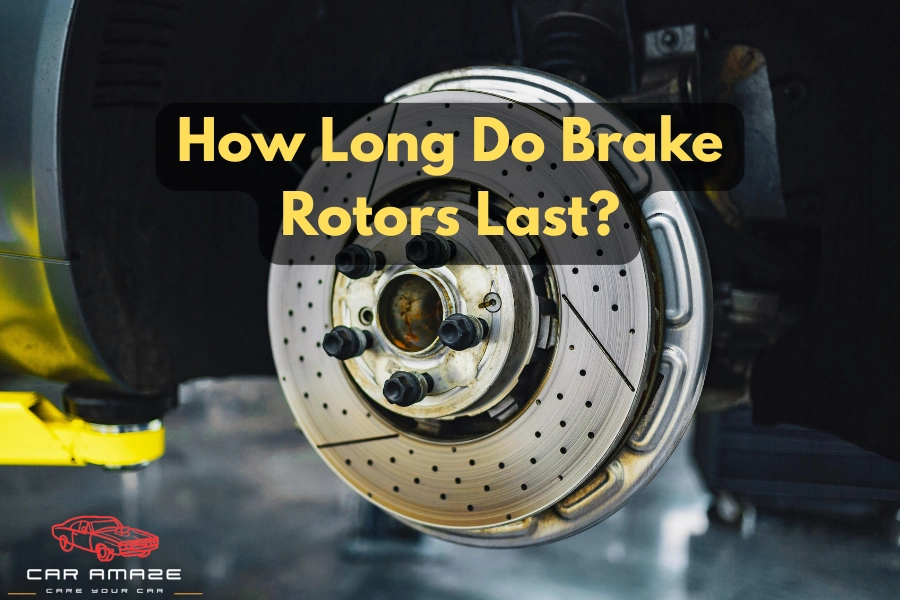
Brake rotors often last 50,000 to 80,000 miles, but their life is less predictable than pad life. Some rotors last through two or more sets of pads. Others need replacement with the first set if they are too thin or damaged.
A rotor is the flat metal disc that the brake pads clamp. It must remain thick enough to absorb heat and maintain a stable braking surface. The minimum thickness is set by the vehicle maker and is often stamped on the rotor or listed in service information.
A rotor may need replacement when it has:
- Less than its specified minimum thickness
- Deep grooves or heavy scoring
- Heat cracks
- Blue or purple heat marks
- Severe rust on the braking surface
- Excessive runout, which can cause pedal pulsation
- Damage from worn-out brake pads
Resurfacing can sometimes restore a rotor’s surface. However, resurfacing removes metal. If the rotor would fall below its minimum thickness, replacement is the safer option. Many modern rotors are designed with less extra metal than older ones, so replacement may be more practical than machining.
A steering wheel or brake pedal that pulses during braking can point to uneven rotor thickness or runout. The symptom can also have other causes, so a proper inspection is needed.
What Makes Car Brakes Wear Faster?
The biggest brake-life factors are driving conditions, vehicle load, brake design, and maintenance. Two cars of the same model can need brakes at very different mileages.
Stop-and-go traffic
Frequent braking creates more wear than steady highway driving. Urban traffic, school drop-offs, delivery routes, and congested commutes can all shorten pad life.
Coasting early can help. If you see a red light ahead, lifting off the accelerator may reduce speed before you need firm braking. Never coast in a way that reduces control or violates safe driving practice.
Hills and mountain roads
Long downhill drives create heat. Continuous braking can overheat pads and rotors, which may cause brake fade. Brake fade means the brakes produce less stopping force even when you press the pedal.
On a long descent, use a lower gear when safe and suitable for the vehicle. This lets the engine help control speed. Do not shift into a gear that causes unsafe engine speed, and follow the owner’s manual.
Towing and heavy loads
A trailer, full cargo area, roof carrier, or many passengers increases the weight the brakes must slow. Extra weight also increases heat during repeated stops.
Use the vehicle’s rated towing and payload limits. A brake controller, trailer brakes, and proper loading may be required for a trailer. The correct equipment depends on the vehicle, trailer, and state requirements.
Driving style
Late, hard braking creates more heat and wears friction parts faster. Smooth braking with a safe following distance usually reduces wear.
This does not mean braking lightly in an emergency. When a collision may occur, brake firmly and maintain control. Brake life should never take priority over safety.
Vehicle type and brake system
Heavy trucks, SUVs, performance cars, and electric vehicles can have different brake demands. A heavier vehicle has more energy to manage during a stop.
Hybrid and electric vehicles often use regenerative braking. The electric motor helps slow the vehicle and sends energy back to the battery. This can reduce use of the friction brakes, so the pads may last longer. However, friction brakes can still corrode when used infrequently, especially in wet or salted areas.
Weather and road salt
Water does not usually destroy brake pads by itself, but moisture can cause surface rust on rotors. Road salt can speed corrosion in many parts of the brake system.
A light rust film may disappear after several normal stops. Heavy rust, flaking metal, sticking calipers, or poor braking needs inspection. Parking a vehicle for a long time can also allow rust to build on the rotors.
How to Tell When Your Brakes Need Replacement
The most reliable method is a physical inspection. Ask the repair shop to provide the remaining pad thickness, rotor thickness, and any measured rotor runout.
Common warning signs include:
High-pitched squealing
Many brake pads include a small metal wear indicator. When the pad becomes low, the indicator may touch the rotor and create a sharp squeal.
Squealing can also come from dust, moisture, pad material, or vibration. Noise alone does not prove that the pads are worn, but it deserves a check if it continues.
Grinding or metal-on-metal noise
Grinding often means the friction material is gone and the backing plate is contacting the rotor. Continued driving can damage the rotor and reduce braking performance.
Avoid driving farther than needed to reach a safe location or repair facility. If braking feels weak, arrange a tow.
Brake pedal pulsation
A pulsing pedal can result from rotor thickness variation or runout. It may also relate to other brake or wheel problems.
A slight vibration under hard anti-lock braking is different. The anti-lock brake system can make the pedal pulse rapidly during an emergency stop. That is normal system operation.
Soft or sinking pedal
A soft pedal can indicate air in the hydraulic system, a fluid leak, worn components, or another fault. A pedal that slowly sinks while you hold pressure is especially concerning.
Do not treat a soft pedal as a normal sign of worn pads. Have the vehicle checked promptly.
Pulling to one side
A car that pulls left or right during braking may have uneven pad wear, a sticking caliper, tire problems, suspension faults, or an issue with the hydraulic system.
Because several systems can cause this symptom, the car needs a complete inspection.
Brake warning light
A red brake warning light may indicate the parking brake is on, low brake fluid, or a hydraulic system problem. An amber anti-lock brake warning light may indicate an ABS fault.
Check the owner’s manual for the exact light. If a red brake warning light remains on after releasing the parking brake, stop when safe and seek service.

Brake Inspection: What to Ask For
A brake inspection should produce measurements, not just a statement that the brakes are “good” or “bad.”
Ask the technician to check:
- Brake pad thickness on the inner and outer pads.
- Rotor thickness compared with the manufacturer’s minimum.
- Rotor surface and runout if there is vibration.
- Caliper movement and slide-pin condition.
- Brake hoses and lines for leaks or damage.
- Brake fluid level and condition.
- Parking brake operation.
- Tire condition, because tires provide the grip needed to stop.
Uneven pad thickness can point to a sticking caliper, seized slide pin, blocked hose, or other problem. Replacing pads without correcting the cause may lead to another uneven wear problem.
A useful repair estimate should explain whether the work is needed now or can wait. It should also list the parts being replaced on each axle. Brake pads are normally replaced in axle sets, meaning both left and right wheels on the same axle.
Should You Replace Brake Pads and Rotors Together?
Not always. Brake pads and rotors are separate parts, and a good rotor may remain in service when new pads are installed.
Replace both when the rotor is below its minimum thickness, badly scored, cracked, heavily corroded, or unable to meet the required surface and runout limits. Installing new pads on a damaged rotor can cause noise, poor contact, vibration, and shortened pad life.
If only the pads are worn and the rotors measure within specification, a pad-only repair may be appropriate. The final choice depends on measurements and the vehicle maker’s requirements.
After new pads or rotors are installed, they need a proper break-in process, often called bedding. The exact process varies by pad maker and vehicle. Follow the instructions provided by the manufacturer or repair shop. Avoid repeated hard stops immediately after service unless needed for safety.
What Is the Difference Between Brake Service and Brake Replacement?
“Brake service” can mean several different jobs. Ask what the estimate includes.
- Pad replacement: Removes worn friction material and installs new pads.
- Rotor replacement: Installs new discs when the old ones are damaged or too thin.
- Rotor resurfacing: Machines the rotor surface when enough metal remains.
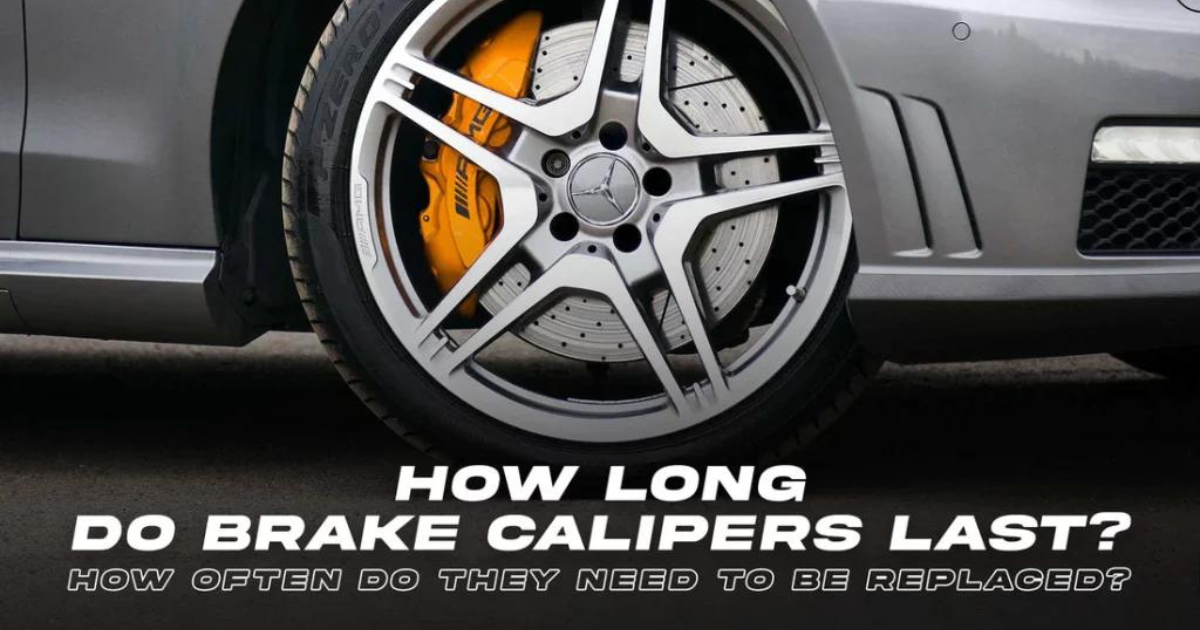
- Caliper service: Repairs or replaces a caliper that sticks or leaks.
- Brake fluid service: Removes old fluid and replaces it according to the vehicle’s requirements.
- Brake inspection: Measures and checks the system without necessarily replacing parts.
A brake fluid flush is not the same as a pad replacement. Brake fluid absorbs moisture over time, but the correct service interval depends on the vehicle maker, fluid type, climate, and use. Follow the maintenance schedule rather than using one universal interval.

Can You Drive With Worn Brake Pads?
You should not continue normal driving after a qualified inspection finds dangerously thin pads. A small amount of remaining material does not always mean immediate failure, but the margin is reduced and wear can accelerate.
Do not drive the car if you notice:
- Grinding
- A soft or sinking pedal
- A major fluid leak
- A brake warning light that stays on
- Severe pulling
- Smoke or a burning smell from a wheel
- A wheel that is unusually hot
- A sudden change in stopping power
Move to a safe place if you can do so without creating more danger. Turn on the hazard lights and call roadside assistance or arrange a tow. Never test questionable brakes by driving at speed.
How Much Does It Cost to Replace Brakes?
Brake repair prices vary widely across the United States. Labor rates differ by region, and parts cost more for some vehicles than others.
The final price depends on:
- Vehicle make, model, and year
- Front or rear axle
- Pad and rotor design
- Electronic parking brake requirements
- Caliper or hardware damage
- Rust and seized fasteners
- Independent shop or dealer labor rates
- Whether brake fluid service is also needed
An estimate that includes only pads may be much lower than one that includes pads, rotors, hardware, and caliper work. Compare estimates by reviewing the exact parts and labor, not just the total price.
Ask whether the parts meet the vehicle’s required specifications. The cheapest option is not always the lowest-cost repair if it causes noise, poor fit, or early replacement.

Common Mistakes That Shorten Brake Life
Several habits can lead to faster wear or unnecessary repairs.
Waiting for noise
Some pads do not make a clear warning sound before reaching a low thickness. Regular inspections are safer than waiting for squealing.
Replacing only one side
Pads should normally be replaced on both sides of the same axle. Replacing one side can create uneven braking.
Ignoring a sticking caliper
A sticking caliper can keep a pad pressed against the rotor. This creates heat, noise, poor fuel economy, and rapid wear.
Using the parking brake incorrectly
Use the parking brake as designed, especially when parked on a slope. If it does not release fully or the vehicle has an electronic parking brake fault, seek service.
Assuming a warning light is minor
A brake warning light can signal a serious fault. Check the manual and have the system assessed promptly.
Choosing parts by price alone
Brake parts should match the vehicle and its use. A vehicle used for towing or mountain driving may need a different solution than a small car used mainly for short trips.
A Simple Brake-Life Decision Guide
Use this guide as a starting point, not as a substitute for inspection.
| Finding | Recommended action |
|---|---|
| No symptoms and recent inspection | Follow the normal maintenance schedule |
| Pads have moderate material remaining | Monitor and recheck at the next service |
| Pads near the shop’s stated limit | Plan replacement soon |
| Pads at or below the maker’s minimum | Replace promptly |
| Rotor below minimum thickness | Replace the rotor |
| Grinding noise | Stop normal driving and seek service |
| Soft pedal or fluid leak | Do not continue driving; arrange inspection or towing |
| Pulsation during braking | Schedule a brake and wheel-end inspection |
| Brake warning light remains on | Check the manual and seek prompt service |
The most useful next step is to request a written inspection with measurements. This turns a mileage guess into a clear maintenance decision.
Frequently Asked Questions
How often should brakes be checked?
Have the brakes checked during routine tire rotations, oil services, or other scheduled maintenance. Many vehicles receive a brake inspection at least once or twice a year, but the right interval depends on mileage and use.
Check them sooner if you drive in heavy traffic, tow, live where roads are salted, or notice any change in braking.
Do front or rear brakes wear out first?
Front brakes often wear faster because the vehicle’s weight shifts forward during braking. The front axle may handle a larger share of the stopping force.
This is not universal. Rear brake wear can be faster on some vehicles, especially those with electronic brake control, frequent use of the parking brake, or a brake imbalance.
Do electric cars need brake pads?
Yes. Electric cars still use friction brakes for some stops, emergency braking, low-speed control, and when the battery cannot accept more regenerative energy.
Regenerative braking may reduce pad wear, but it can also allow rust to form when friction brakes are rarely used. Regular inspection remains important.
Can new brake pads damage rotors?
New pads do not normally damage healthy rotors. Problems can occur when the rotors are too thin, badly scored, uneven, contaminated, or not properly prepared.
A technician should measure and inspect the rotors before deciding whether to reuse, resurface, or replace them.
Is brake dust a sign that the brakes are failing?
No. Brake dust is a normal result of friction and can vary by pad material, wheel design, and driving conditions.
Heavy dust on one wheel may suggest uneven wear or a sticking caliper. A sudden change in dust, heat, smell, or noise should be inspected.
Do unused cars need brake service?
Yes. A car that sits for long periods can develop rotor rust, seized calipers, degraded brake fluid, or parking-brake problems.
Before regular driving, inspect the tires and brakes. Test the brakes at low speed in a safe area. If the pedal feels soft or the car pulls, stop and arrange professional service.
Conclusion: Plan Around Condition, Not Mileage
Most brake pads last 30,000 to 70,000 miles, but the correct replacement point depends on measured wear and brake condition. Rotors may last longer, yet they still need inspection for thickness, damage, rust, and runout.
For a clear answer about your car, ask a qualified technician to measure the pads and rotors. Replace brake parts promptly when you hear grinding, feel a soft pedal, see a warning light, or notice a major change in stopping performance.
Sources for further reading
- National Highway Traffic Safety Administration: Vehicle Safety and Recalls
- Electronic Code of Federal Regulations: FMVSS No. 135, Light Vehicle Brake Systems
- National Institute for Automotive Service Excellence: Consumer Resources
- Your vehicle’s owner’s manual and manufacturer maintenance schedule, which provide the applicable inspection intervals and brake specifications for your specific model