How Long Do Starters Last In A Car: Lifespan Guide
A car starter often lasts about 7 to 10 years, or roughly 100,000 to 150,000 miles. Some starters fail sooner, while others last for the life of the vehicle. The biggest factors are the number of engine starts, battery condition, heat, cold, moisture, and driving habits.
For drivers in the United States, a starter that struggles after several years should not be replaced based on age alone. A weak battery, loose cable, bad ground, or charging problem can cause very similar symptoms. Testing the starting system first can prevent an unnecessary repair.

What Does a Car Starter Do?
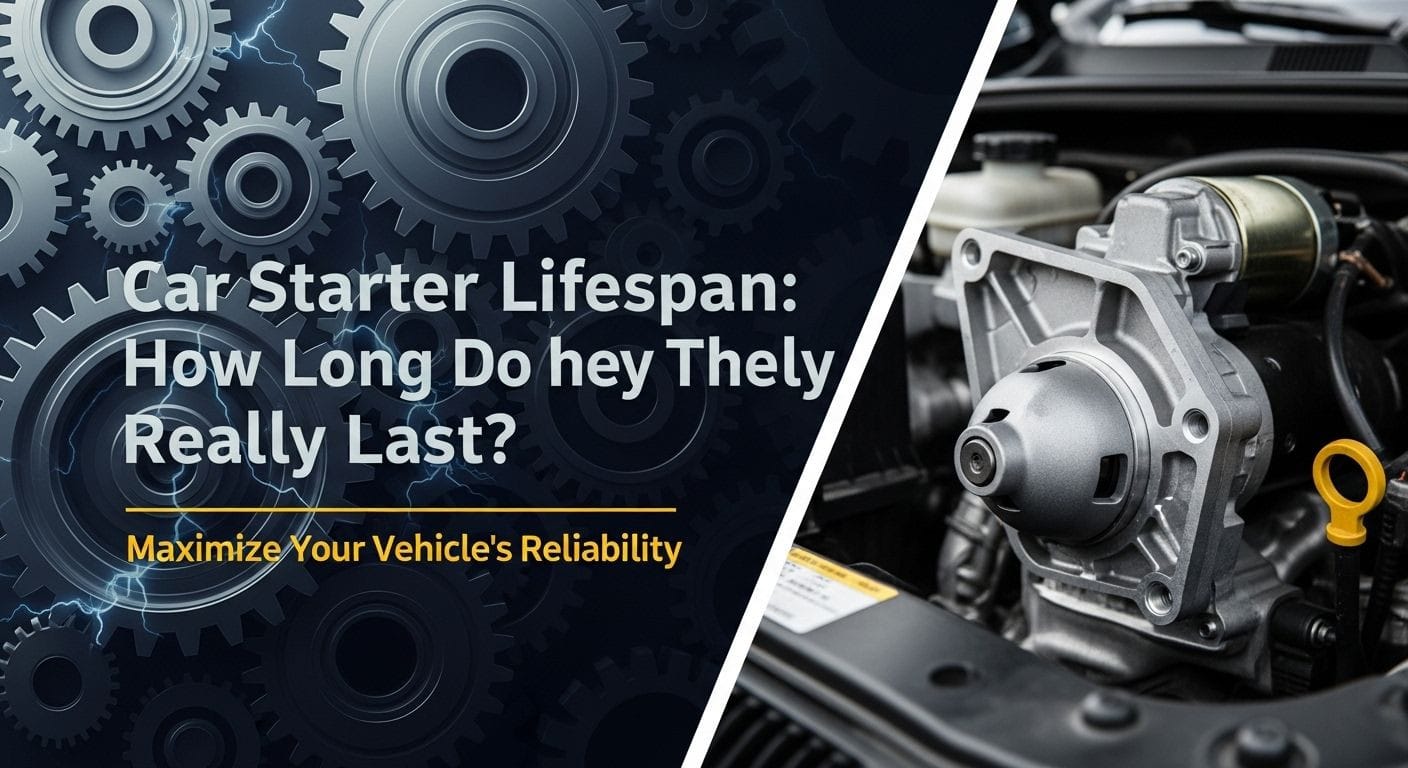
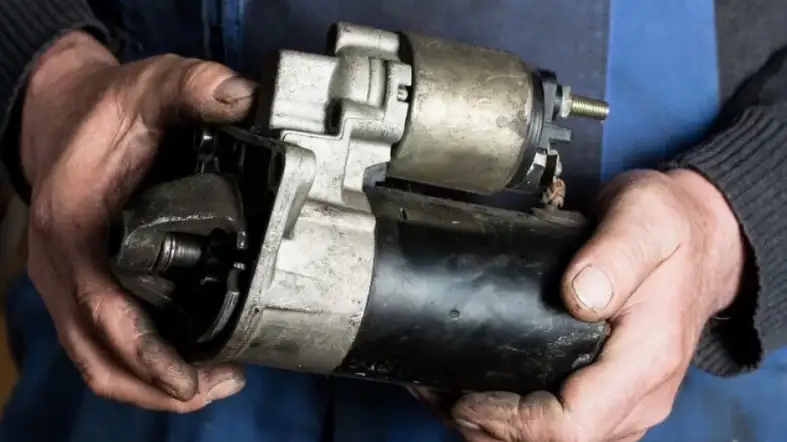
The starter is a powerful electric motor that turns the engine until it can run on its own. When you turn the key or press the start button, the starter solenoid sends battery power to the motor. A small gear then engages the engine’s flywheel or flexplate.
Once the engine starts, the starter gear pulls back. The starter should not keep turning with the engine.
A typical starting system includes:
- The battery
- Battery cables and ground connections
- The ignition switch or push-button system
- The starter relay
- The starter solenoid
- The starter motor
- The engine flywheel or flexplate
A fault in any of these parts can look like a bad starter. That is why a diagnosis matters.

What Is the Average Life of a Starter?
Most repair industry estimates place starter life at 100,000 to 150,000 miles or seven to ten years. These numbers are useful planning ranges, not guarantees.
A starter may last longer when the car has:
- A strong, well-maintained battery
- Clean and tight battery connections
- Moderate weather
- Few short trips
- A reliable charging system
- Little exposure to water, mud, and road salt
A starter may wear out sooner when the car has:
- Many daily starts
- Frequent short trips
- Very hot engine-bay temperatures
- Severe winter cold
- A weak battery
- Corroded cables or grounds
- An engine that is hard to start
- An aftermarket remote-start system
The number of start cycles may matter more than mileage. A delivery car can start dozens of times each day while traveling few miles. A highway car may cover 150,000 miles with far fewer starts.
Modern vehicles with automatic stop-start systems also place more demand on the starting system. Many use starters and control systems designed for that duty. Do not assume that a normal replacement starter is correct for a stop-start vehicle.

Signs a Starter May Be Failing
The most common sign is an engine that does not crank, or cranks inconsistently, when you try to start the car. Other signs can point toward the starter, but none proves the starter is bad by itself.
Common starter symptoms
- A single click with no engine movement
- Repeated clicking
- Intermittent starting
- A grinding sound during startup
- A starter that turns slowly
- A starter that works after the car sits, but fails when hot
- A free-spinning or whirring sound without engine cranking
A single click may come from the starter solenoid. It can also result from low battery voltage or poor cable contact.
Rapid clicking often points to a weak battery or poor electrical connection. A slow crank can also come from a weak battery, thick engine oil in cold weather, corroded cables, or an engine problem.
Grinding deserves prompt attention. The starter gear may not be engaging the flywheel correctly, or the flywheel teeth may be damaged. Repeated attempts can increase the repair cost.
Starter Problems vs. Battery Problems
A weak battery is more common than a failed starter. The battery supplies the current that the starter needs, especially during cold weather.
Use the symptom pattern as a starting clue:
| Symptom | More likely causes |
|---|---|
| Rapid clicking | Weak battery, loose cable, poor ground |
| One strong click | Starter solenoid, starter motor, battery cable |
| No sound at all | Dead battery, fuse, relay, ignition switch, neutral-safety switch |
| Slow crank | Weak battery, bad cable, failing starter, thick oil |
| Lights work but engine will not crank | Battery may still be weak; starter circuit may have a fault |
| Engine cranks normally but will not start | Fuel, spark, air, sensor, or security-system problem |
| Grinding during crank | Starter gear or flywheel damage |
Headlights do not provide a reliable battery test. A battery can power lights but still lack enough current to turn the engine.
The battery’s state of charge also changes the test result. A fully charged battery may measure close to 12.6 volts at rest, but voltage alone does not show how well it can deliver current. A proper battery load or conductance test gives better information.

How to Check Whether the Starter Is Bad
Start with the simplest and safest checks. Do not keep trying to start the vehicle if you hear grinding, smoke, burning odors, or repeated electrical arcing.
1. Confirm the engine is not cranking
Listen carefully when you press the start button or turn the key.
- No crank: The engine does not turn.
- Crank but no start: The engine turns, but it does not run.
- Slow crank: The engine turns too slowly.
A starter is involved mainly in a no-crank or slow-crank problem.
2. Check the battery
Look for dim lights, weak horn operation, or signs of a discharged battery. Check the battery terminals for white, green, or blue corrosion.
If you have a multimeter, measure the battery with the vehicle off after it has rested. Then test it under load if possible. A parts store may offer battery testing, but results are more useful when the battery is fully charged and the connections are clean.
3. Inspect cables and grounds
Check both battery terminals. Follow the positive cable toward the starter and inspect the engine-to-body ground strap.
A loose or corroded connection can restrict current. The starter may then click or turn slowly even when the motor itself is healthy.
Disconnecting a battery can erase radio settings or reset vehicle systems. Follow the vehicle owner’s manual, and keep metal tools away from both battery terminals.
4. Try the correct transmission position
For an automatic transmission, try starting in Park and then Neutral. If the car starts in Neutral but not Park, the neutral-safety switch or its adjustment may need attention.
For a manual transmission, press the clutch fully. A faulty clutch safety switch can prevent cranking.
5. Test voltage at the starter
A technician can check voltage at the starter during a start attempt. If the starter receives proper power and ground but does not turn, the starter becomes more likely to be at fault.
If voltage drops sharply before reaching the starter, the problem may be a cable, connection, relay, or ground.
6. Scan for related faults
Many newer vehicles use body control modules, immobilizers, and push-button start systems. A scan tool can reveal faults that are not visible from the sound of the starter alone.
Do not bypass a security system or jump wires unless you have the correct service information. Incorrect wiring can damage control modules or cause injury.

What Makes a Starter Wear Out Faster?
The starter does not wear only from mileage. It wears each time its motor spins and its gear engages the engine.
Frequent start cycles
Vehicles used for deliveries, ride services, school runs, and short errands may start many more times than a highway commuter’s car. More cycles can shorten starter life even when the odometer reading is low.
Weak batteries
A weak battery makes the starter work under poor electrical conditions. Repeated low-voltage starts can increase heat in the starter motor and solenoid.
Extreme temperatures
Cold weather makes engine oil thicker and reduces battery output. The starter must work harder.
High heat can damage electrical insulation, solenoid contacts, and internal starter components. Heat-soak problems may appear after the engine is shut off for a short time.
Poor engine condition
An engine with low compression, fuel problems, ignition faults, or mechanical drag may take longer to start. Longer cranking puts extra load on the starter.
Water and corrosion
Floodwater, road spray, salt, and oil leaks can damage starter parts or their connections. A starter mounted low on the engine may be especially exposed.
Should You Replace a Starter Before It Fails?
Usually, no. Starter replacement based only on age is not necessary if the vehicle starts normally and the starting system passes testing.
Preventive replacement may make sense when:
- The starter has shown repeated warning signs
- The vehicle is difficult to access or tow
- A technician finds excessive current draw
- The starter is affected by a known heat problem
- The vehicle is used in a remote area
- The starter is already being removed for another repair
Ask for test results before approving replacement. A useful diagnosis should identify whether the problem is the starter, battery, cables, relay, switch, or another system.

Can You Drive With a Bad Starter?
A car with an intermittent starter may run normally after it starts, but it can leave you stranded when you shut the engine off. Do not rely on bump-starting or repeated jump-starts as a long-term plan.
If the starter makes grinding sounds, stop using the vehicle until it is inspected. Grinding may damage the flywheel or flexplate. A starter problem can also worsen without warning.
If the car will not crank, move it safely out of traffic if possible. Use roadside assistance or have a qualified technician diagnose it.
How Much Does Starter Replacement Cost?
Starter replacement cost varies widely across the United States. The total depends on:
- Vehicle make and model
- Starter location
- Labor access
- New, remanufactured, or used part
- Local labor rates
- Additional cable, relay, or flywheel damage
A starter that is easy to reach may take far less labor than one buried beneath intake parts or near exhaust components. Get an itemized estimate that separates the part, labor, diagnosis, taxes, and related repairs.
A low-cost starter is not always the best value. Confirm the correct part number, warranty, and compatibility with the vehicle’s engine and start-stop system.
Starter Maintenance That Can Extend Its Life
You cannot prevent every starter failure, but you can reduce avoidable stress.
- Keep the battery fully charged.
- Replace a weak battery before it repeatedly fails to crank.
- Clean corrosion from battery terminals.
- Check engine and body ground connections.
- Repair charging-system faults.
- Avoid holding the key in the start position after the engine starts.
- Let the starter rest between long cranking attempts.
- Fix hard-start engine problems promptly.
- Keep water and oil leaks away from electrical parts.
- Follow the maintenance schedule in the owner’s manual.
If the engine does not start after several seconds of cranking, stop and find the cause. Long cranking can overheat the starter and drain the battery.
Frequently Asked Questions
Do starters fail suddenly?
Yes. A starter can work normally one day and fail the next. Internal brushes, contacts, windings, or solenoid parts may wear until the motor can no longer operate reliably.
Does a new battery fix a bad starter?
Not always. A new battery can fix a weak-battery problem, but it will not repair a worn starter, bad cable, damaged relay, or failed ignition circuit. Test the full starting system.
How long does a remanufactured starter last?
A remanufactured starter may last for years, but quality varies by supplier and rebuild process. Check the warranty and confirm that the unit matches the vehicle’s exact application.
Can cold weather damage a starter?
Cold weather usually exposes a weak starting system rather than directly causing instant starter failure. Cold reduces battery output and makes the engine harder to turn, which increases starter demand.
Is a starter covered by a car warranty?
Coverage depends on the warranty type, vehicle age, mileage, and contract terms. Factory warranties and extended service contracts use different rules. Check the written terms before authorizing work.
Key Takeaways
- A car starter commonly lasts about seven to ten years or 100,000 to 150,000 miles.
- Start cycles, not mileage alone, determine much of its wear.
- A weak battery or bad cable can mimic a failing starter.
- Rapid clicking often points to low voltage or poor connections.
- Grinding, burning smells, or smoke require prompt inspection.
- Test the battery, cables, grounds, and starter circuit before replacing parts.
- Replace a starter when testing supports the diagnosis, not simply because it is old.
Conclusion
Most starters provide many years of service, but their life depends on use and electrical system health. A vehicle that starts slowly, clicks, or fails only when hot needs testing before you buy a replacement.
The best next step is to have the battery, charging system, cables, and starter tested together. That approach finds the actual fault and helps prevent a repeat failure.