
You can negotiate a car price by researching the market, comparing offers, and staying ready to walk away.
Buying a car can feel like a test of confidence, but it does not need to be stressful. The key is to treat the deal as a set of numbers, not a battle of personalities. This guide explains how to negotiate a car price with clear steps, practical scripts, real buying lessons, and trusted tools that can help you save money.
Understand What You Are Negotiating
Before you negotiate a car price, learn what the price actually includes. A vehicle deal may contain several separate parts:
• Vehicle selling price
• Dealer documentation fee
• Sales tax
• Title and registration fees
• Dealer add-ons
• Trade-in value
• Financing cost
• Extended warranties or protection plans
Many buyers focus only on the monthly payment. That can make a deal look affordable while hiding a high total cost. A low monthly payment may come from a longer loan term, a large down payment, or expensive add-ons.
Ask for the full out-the-door price in writing. This is the amount you would pay before any loan interest. It should show the vehicle price, dealer fees, taxes, registration costs, and optional products.
Federal consumer guidance encourages buyers to review the final contract carefully. Dealers must also provide clear financing disclosures, but you still need to check that the figures match what you agreed to.
Research the Car Before You Visit
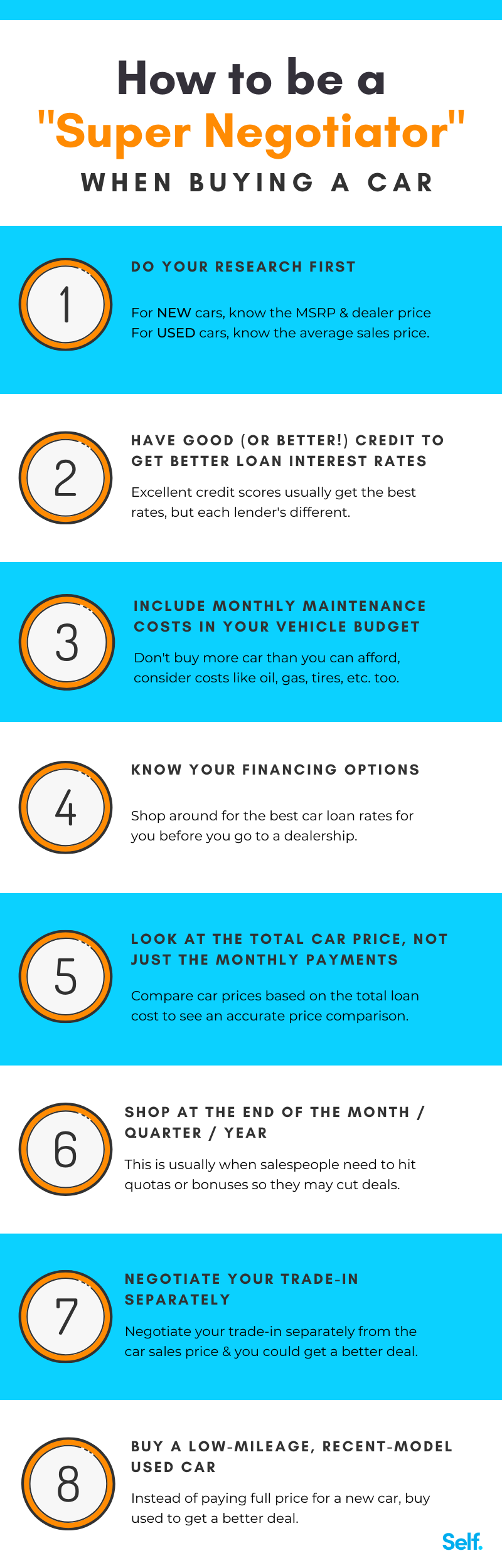
Strong research gives you leverage. It also helps you spot a weak offer before you spend time at a dealership.
Start by finding the fair market value for the exact vehicle. Try to match these details:
• Model year
• Trim level
• Engine type
• Drive system
• Mileage
• Optional features
• Condition
• Location
A hybrid SUV with 10,000 miles is not a fair comparison for a gas model with 45,000 miles. Small differences can affect value by thousands of dollars.
Check several sources, such as vehicle pricing guides, local dealer listings, and private-party listings. Pricing tools can provide useful ranges, but they are not perfect. Prices can change based on demand, inventory, season, and local supply.
Also research the vehicle history. A history report may show accidents, title problems, prior rental use, or repeated ownership changes. For used cars, pay for an independent inspection. A clean report does not guarantee that a vehicle has no mechanical problems.
Build a Simple Price Range
Create three numbers before you negotiate a car price:
• Target price: The amount you hope to pay
• Fair price: A reasonable market value
• Maximum price: The most you will accept
For example, you might decide that a used car has a fair value of $24,000. Your target may be $23,000, while your maximum is $24,500 after considering the condition and local market.
This simple range protects you from making a rushed choice. It turns a vague goal into a clear plan.
Request Out-the-Door Prices From Several Dealers
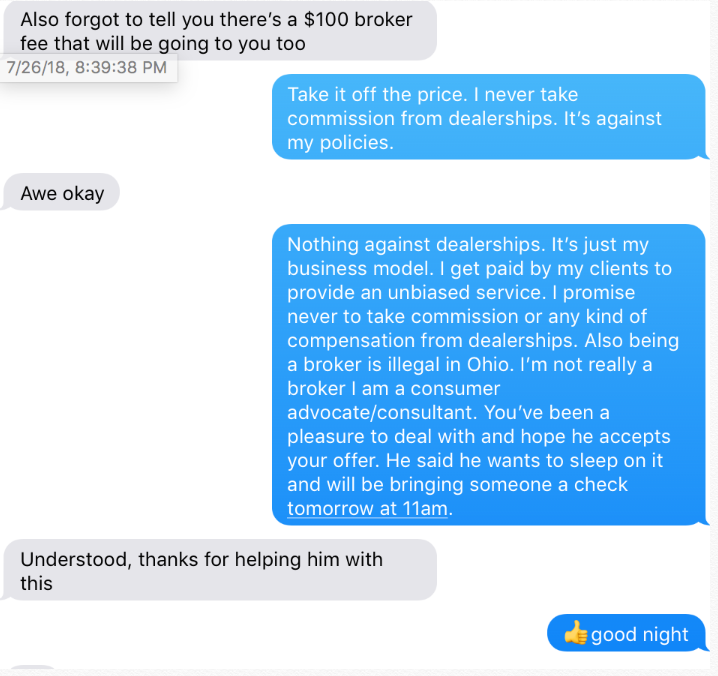
One of the most effective ways to negotiate a car price is to ask multiple dealers for written out-the-door quotes.
You do not need to visit every showroom. Send a short email or online message to several dealers that sell the same make and model. Ask for the complete price, including all dealer fees, taxes, and required charges.
You can use this message:
Hello, I am interested in the [year, make, model, trim] in stock. Please send your best out-the-door price, including the vehicle price, dealer fees, taxes, title, and registration. I am comparing written offers and can move forward soon if the numbers are right.
This approach changes the conversation. Instead of asking, “What is your best price?” you ask the dealer to compete for your business.
Some dealers may send a low price and add products later. Read the quote closely. Ask whether it includes dealer-installed accessories, protection packages, market adjustments, or mandatory warranties.
Compare the Same Vehicle
Make sure you compare similar vehicles. Compare the same trim, equipment, mileage, and condition whenever possible.
A lower quote may not be better if the vehicle lacks features that matter to you. A higher quote may include new tires, a certified warranty, or a better service record.
The goal is not to find the lowest number at any cost. The goal is to find the best total value with clear terms.

Negotiate the Vehicle Price First
When learning how to negotiate a car price, separate each part of the deal. Start with the vehicle price before discussing financing, trade-in value, or extras.
A dealer may ask:
“Are you financing with us?”
“Do you have a trade?”
“What monthly payment would you like?”
You can politely redirect the discussion:
I would like to agree on the out-the-door price first. We can discuss financing and my trade separately after that.
This keeps the numbers clear. It also prevents one part of the deal from hiding another.
For example, a dealer may offer $500 more for your trade but increase the vehicle price by $2,000. You may receive a better monthly payment but pay more overall. Separating the transactions makes this harder to miss.
Use a Specific, Reasonable Offer
A strong offer should be based on evidence. Avoid making an extremely low offer without support. It can make the discussion less productive.
Try this:
Based on the similar vehicles I found and the car’s condition, I can offer $23,500 before tax and registration. If you can meet that number with no extra packages, I am ready to complete the purchase today.
This statement works because it includes a reason, a clear number, and a commitment. Do not promise to buy unless you are truly ready.
If the dealer cannot meet your offer, ask:
What is the lowest out-the-door price you can provide in writing?
Then stop talking. Silence can feel uncomfortable, but it gives the other person room to respond.

Know the Difference Between MSRP, Invoice, and Market Price
Understanding common pricing terms makes it easier to negotiate a car price.
MSRP
MSRP means the manufacturer’s suggested retail price. It is the automaker’s suggested price for the vehicle and its listed equipment.
MSRP is not always the market price. Popular vehicles may sell near or above MSRP, while slower-selling models may have discounts.
Invoice Price
Invoice price is the amount a dealer is billed for a vehicle on paper. It does not always show the dealer’s true cost because of incentives, rebates, holdbacks, and other programs.
Invoice price can be a useful reference, but it should not be treated as a guaranteed bottom line.
Market Price
Market price reflects what buyers are actually paying in a certain area and time. It can change quickly when inventory is low or demand is high.
For negotiation, market price is often more useful than a national average. A vehicle may be common in one city and scarce in another.
Dealer Incentives
Manufacturers may offer rebates, low-interest financing, loyalty programs, or special discounts. These offers can change by region and customer type.
Ask whether a discount requires you to use dealer financing or qualify for a specific program. A rebate may lower the price, but a high interest rate could cost more over the life of the loan.

Handle Dealer Fees and Add-Ons
Dealer fees can have a major effect on the final price. Some fees cover real administrative work. Others may be negotiable, inflated, or optional.
Common charges include:
• Documentation fee
• Advertising fee
• Dealer preparation fee
• Electronic filing fee
• VIN etching
• Paint protection
• Fabric protection
• Nitrogen-filled tires
• Theft protection
• Service contracts
Ask the dealer to explain every fee. You can say:
Please show me which charges are required by the state and which are dealer products. I do not want optional protection packages included.
Some government fees may not be negotiable. A documentation fee may also be allowed by state law, even if the dealer will not remove it. If the dealer cannot reduce the fee, negotiate the vehicle price to offset it.
Do not let a dealer remove one add-on while quietly adding another. Review the final buyer’s order line by line.
Watch for “Market Adjustments”
A market adjustment is an added charge above MSRP. Dealers may use it when demand exceeds supply.
You can ask whether the adjustment is mandatory. Then compare the vehicle with other local listings. If several similar cars are available, you have more power to reject the fee.
Negotiate Your Trade-In Separately
A trade-in can make the car buying process easier, but it can also blur the numbers. Get independent estimates before you discuss the trade.
Check several sources and request offers from:
• Online car buying services
• Local dealers
• Used car departments
• Private-party listings
A private sale may bring more money, but it takes time and effort. A dealer trade can be more convenient and may reduce the sales tax in some states. Tax rules vary, so check your state’s guidance.
When you negotiate a car price, tell the dealer that you want to handle the trade separately:
Let us agree on the new car price first. Then we can discuss the trade-in value.
Ask for the trade value in writing. Also confirm whether the dealer will pay off your existing loan. If your loan balance is higher than the trade value, you have negative equity.
For example, if you owe $18,000 and the dealer offers $15,000, you have $3,000 in negative equity. That amount may be added to your next loan, increasing the new balance and interest cost.

Use Financing as a Separate Negotiation
Dealer financing can be convenient, but it may not be the cheapest option. Get a loan preapproval from a bank or credit union before you shop.
A preapproval gives you:
• A clear interest rate
• A maximum loan amount
• A stronger negotiating position
• A way to compare the dealer’s offer
You can still use dealer financing if it is better. Ask for the annual percentage rate, loan term, amount financed, and total payments.
Do not judge a loan only by its monthly payment. Consider this example:
• Loan A: $600 per month for 60 months
• Loan B: $500 per month for 72 months
Loan B sounds cheaper each month, but it lasts one year longer. It may also produce more interest and leave you owing money longer.
If a dealer asks what monthly payment you want, respond:
I am comparing total price and annual percentage rate first. We can discuss the monthly payment after we agree on the vehicle price.
You should also review whether the loan includes optional products. Credit insurance, service contracts, and gap coverage may be offered during financing. Some products can be useful in certain situations, but they should never be added without your informed consent.
Choose the Right Time to Negotiate
Timing can influence how flexible a dealer may be, although it does not guarantee a discount.
You may have more leverage when:
• The vehicle has been listed for a long time
• Several similar cars are in stock
• A new model year is arriving
• The dealer is close to a sales goal
• The vehicle has minor cosmetic flaws
• Demand for that model is lower
End-of-month and end-of-quarter sales goals may affect dealer behavior. Still, do not assume every dealer must make a deal on the last day of the month. Inventory, incentives, and management goals differ.
The best time is also when you are prepared. A rushed buyer has less power than a patient buyer with research, financing, and other offers.
Negotiate by Email or Phone First
Online negotiation can reduce pressure. It also creates a written record of the offer.
Ask the salesperson to confirm:
• Stock number
• Vehicle identification number
• Selling price
• Dealer fees
• Add-ons
• Tax and registration estimates
• Out-the-door price
• Offer expiration date
Do not rely on a vague statement such as “We can probably beat that.” Ask for exact numbers.
If the salesperson says you must visit the dealership to get a price, you can reply:
I am happy to visit when we have a written price. I am comparing several vehicles and want to avoid confusion about the final numbers.
A dealer may still change the price when you arrive. If the numbers are different, calmly point to the written offer and ask for an explanation. If the dealer will not honor the quote, you can leave.
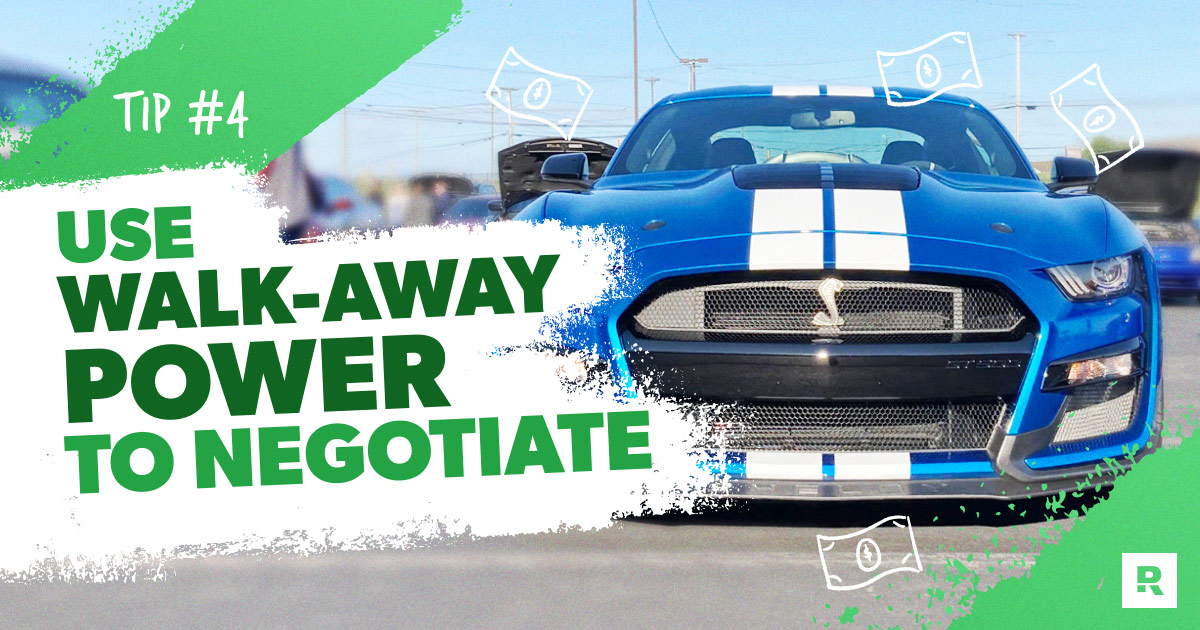
Use Silence and Be Ready to Walk Away
Good negotiation is not about being aggressive. It is about staying calm and protecting your options.
Let the salesperson respond to your offer. Do not fill every pause by raising your price. If the deal does not fit your budget, say:
I appreciate your time, but this price is above my limit. I am going to compare the other offers I received.
Then leave if needed. You may receive a better offer later, but never depend on that outcome.
Walking away is one of the strongest tools in car buying because it protects you from emotional decisions. A vehicle is important, but it is not the only vehicle available.
Avoid These Common Mistakes
When people ask how to negotiate a car price, these mistakes come up often:
• Focusing on the monthly payment
• Sharing a maximum budget too early
• Negotiating several parts at once
• Skipping an independent inspection
• Accepting dealer add-ons without review
• Buying based on urgency
• Ignoring loan interest
• Failing to read the final contract
• Making an offer without researching market value
One lesson I have seen repeatedly is that excitement can weaken a buyer’s position. Once someone imagines the car in their driveway, they may overlook fees or accept terms they would reject in a calm setting.
Treat the process like checking a restaurant bill. You are not being rude by reviewing each line. You are making sure the order matches what you requested.
Inspect and Test-Drive the Vehicle
Price negotiation should not come before basic vehicle checks. A low price is not a good deal if the car needs major repairs.
During the test drive, check:
• Cold start behavior
• Brake feel
• Steering response
• Transmission shifts
• Warning lights
• Air conditioning and heat
• Power windows and locks
• Infotainment system
• Tire condition
• Unusual sounds or smells
For a used vehicle, arrange an inspection with an independent mechanic. Choose someone who does not work for the selling dealer.
Ask the mechanic to inspect the engine, transmission, suspension, brakes, tires, fluids, underbody, and signs of collision repair. If the inspection finds problems, use the results to adjust your offer or ask the dealer to repair the issue.
A dealer may say the vehicle passed its internal inspection. That can be useful information, but it is not the same as an independent evaluation.
Review the Contract Before Signing
The final contract is the last stage of how to negotiate a car price. Your earlier agreement matters only if the written documents match it.
Check these figures:
• Agreed vehicle price
• Trade-in allowance
• Amount owed on the trade
• Down payment
• Interest rate
• Loan term
• Amount financed
• Dealer fees
• Taxes and registration
• Optional products
• Total of payments
Look for duplicate fees or products you did not request. Ask questions about every unfamiliar line.
Do not sign a blank form. Do not assume a verbal promise will be added later. If a repair, accessory, warranty, or price change was promised, make sure it appears in writing.
You can take time to review the contract. A trustworthy dealer should allow you to read it and ask questions.
A Practical Car Price Negotiation Script
Use this simple script to keep the discussion focused:
“I am interested in this exact vehicle, and I have researched similar listings.”
“Please provide the complete out-the-door price, including all required fees and taxes.”
“I am not discussing my trade-in or financing until we agree on this vehicle price.”
“Based on the market data and the vehicle’s condition, my offer is $____.”
“If you can provide that price in writing with no optional add-ons, I am prepared to move forward.”
“If that does not work, I understand. I will compare the other offers I received.”
The script is direct without being hostile. It keeps the conversation based on facts.
In my experience, the best buyers do not try to “win” every part of the deal. They focus on the total cost, the vehicle’s condition, and the loan terms. A fair deal is better than a dramatic victory that leaves you with a car you do not want.
When You Should Not Negotiate Aggressively
Negotiation has limits. Some situations offer little room for a lower price.
You may have less leverage when:
• The vehicle is rare or highly sought after
• Inventory is very low
• The vehicle is fairly priced already
• A manufacturer discount sets the price
• The car has strong demand and many buyers
• You are buying a limited edition model
In these cases, focus on value rather than forcing a discount. Ask for free maintenance, included accessories, a better interest rate, or removal of optional products.
Also avoid negotiating only for the sake of negotiating. A dealer still needs to cover operating costs and provide required services. Respectful negotiation is more likely to produce a clear, useful conversation.
Frequently Asked Questions About How to Negotiate a Car Price
What is the best way to negotiate a car price?
Research the vehicle, request written out-the-door quotes, and compare several dealers. Negotiate the vehicle price before discussing financing, trade-in value, or optional products.
How much can you negotiate off a car price?
The possible discount depends on inventory, demand, vehicle condition, incentives, and local prices. Use current market data instead of assuming that every car has the same negotiation range.
Should I tell the dealer my budget?
It is usually better to share your target out-the-door price rather than your maximum budget. A dealer who knows your maximum may structure the deal around that number instead of offering the lowest possible price.
Is it better to negotiate by email?
Email can make it easier to compare written offers and avoid pressure. Still, verify that the quote includes all fees, taxes, add-ons, and the exact vehicle identification number.
Should I negotiate the car price or the monthly payment?
Negotiate the total vehicle price first. A monthly payment can be lowered by extending the loan term, which may increase the total interest and overall cost.
Can I negotiate a certified pre-owned car?
Yes, but the room to negotiate may be smaller because certified vehicles often include inspections and warranty coverage. Compare the car’s price, certification benefits, fees, and condition with similar listings.
Should I get preapproved for an auto loan?
Yes, a preapproval gives you a useful benchmark for the interest rate and loan amount. You can accept dealer financing if it offers better terms, but compare the annual percentage rate and total loan cost.
Conclusion
Learning how to negotiate a car price starts with preparation. Research the market, set a target and maximum price, request out-the-door quotes, and keep the vehicle price separate from financing and trade-in discussions.
Review every fee and add-on. Get an independent inspection for a used car, compare loan offers, and read the final contract before signing. Most importantly, stay calm and be willing to walk away when the numbers do not work.
Use these steps on your next car purchase, compare offers carefully, and share your negotiation experience in the comments.