
Learn how to drive a manual car by mastering the clutch, gear changes, braking, and smooth control.
Learning how to drive a manual car can feel hard at first, but the process is simple once you understand what each pedal does. The clutch connects the engine to the wheels, the gear lever selects the right power range, and your left foot controls the connection between them. This guide explains how to drive a manual car safely, smoothly, and with confidence, using practical steps that beginners can apply right away.
Understand the Manual Car Controls
Before learning how to drive a manual car, get familiar with the main controls. A manual car usually has three pedals, a gear lever, a parking brake, and a steering wheel.
The pedals are arranged from left to right:
• Clutch: The left pedal disconnects the engine from the transmission.
• Brake: The middle pedal slows or stops the car.
• Gas pedal: The right pedal increases engine speed.
Your left foot operates only the clutch. Your right foot moves between the brake and gas pedals. This arrangement may feel strange at first, but it soon becomes natural.
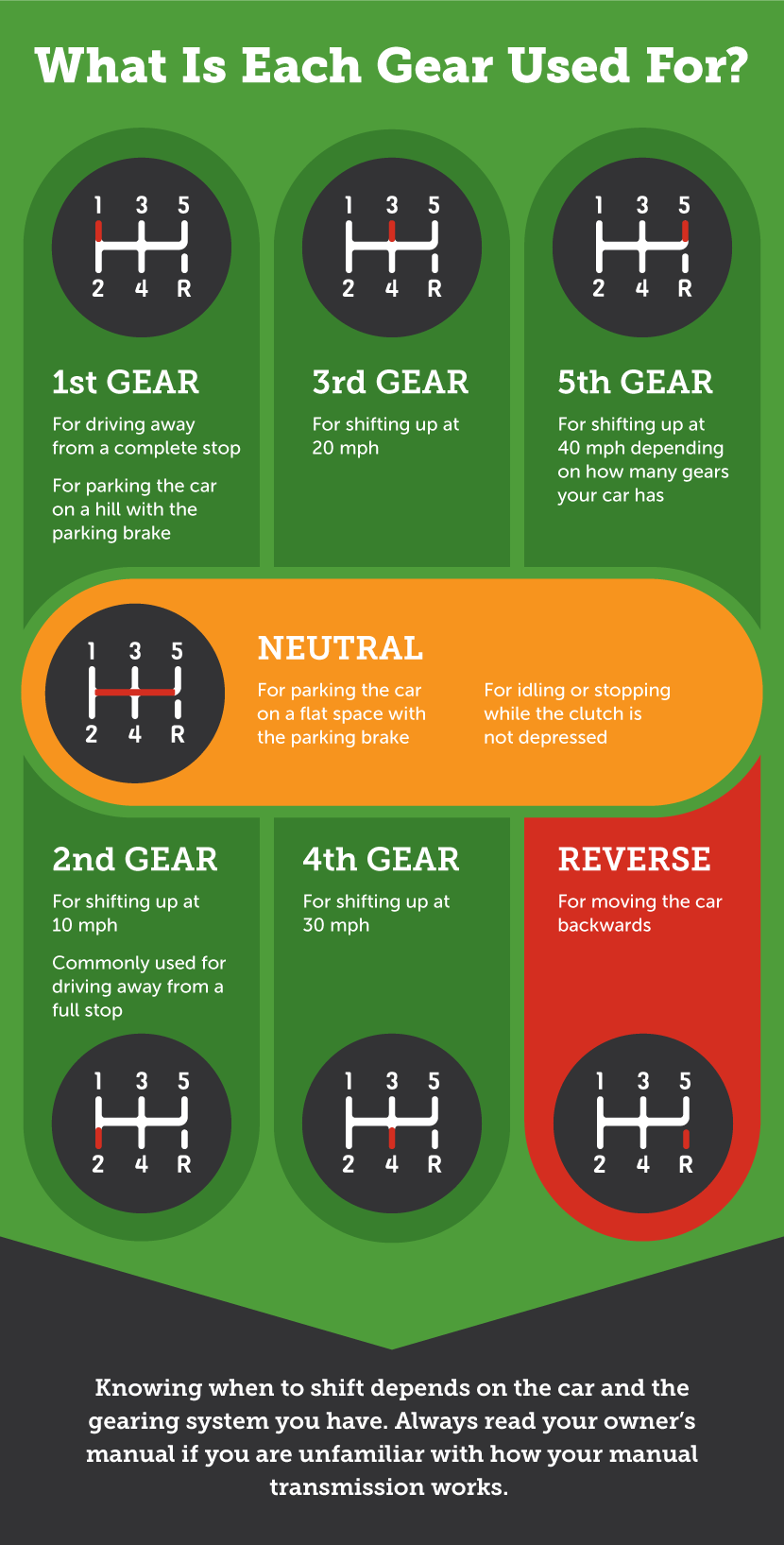
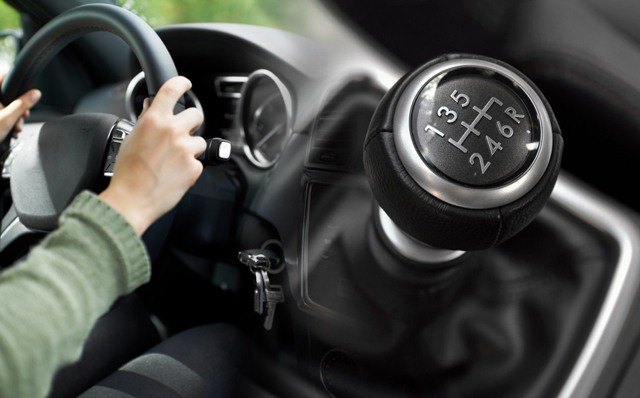
The gear lever controls the transmission. Most cars have gears one through five or six, plus reverse and neutral. The shift pattern is often printed on the gear knob, so check it before moving.
Neutral means no gear is engaged. The engine can run, but the car will not move when you release the clutch. Always confirm the gear pattern in the owner’s manual because some vehicles place reverse in different positions.

What the Clutch Does
The clutch is the key to how to drive a manual car. It allows the engine and wheels to connect gradually instead of all at once.
When you press the clutch pedal down, the engine is separated from the transmission. This lets you start the engine, select a gear, or change gears without damaging the drivetrain.
When you slowly release the clutch, the engine begins to connect with the wheels. The point where the car first starts to pull is called the bite point or engagement point.
You can find the bite point in a safe, flat area:
Press the clutch fully down.
Select first gear.
Keep your right foot off the gas.
Slowly lift the clutch.
Notice when the front of the car rises slightly or the engine note changes.
Press the clutch down again.
This exercise helps you feel the clutch. Do not hold the car at the bite point for a long time. It creates heat and can wear the clutch.
Think of the clutch like a handshake. A quick, hard handshake feels rough. A slow, controlled handshake feels smooth. The same idea applies when you release the clutch.
Prepare Before You Move
Good preparation makes how to drive a manual car much easier. Practice in a large, empty area with no traffic, pedestrians, or steep hills.
Before starting, adjust the driving position. You should be able to press the clutch fully without stretching your leg. Keep your back against the seat, your hands relaxed, and your mirrors correctly adjusted.
Complete this safety check:
• Fasten your seat belt.
• Confirm that the parking brake is set.
• Make sure the gear lever is in neutral.
• Check that the area around the car is clear.
• Start the engine with the clutch pressed down.
• Place your right foot over the brake if needed.
Many modern cars require the clutch to be pressed before the engine will start. This safety feature helps prevent the car from moving unexpectedly.
Do not practice alone on public roads if you are still unsure of the controls. A qualified driving instructor or experienced licensed driver can provide safer guidance.

How to Start a Manual Car
Starting from a stop is the first major skill in how to drive a manual car. The goal is to move without stalling or jerking.
Follow these steps:
Press the clutch fully down with your left foot.
Select first gear.
Release the parking brake when it is safe.
Place your right foot on the gas pedal.
Raise the engine speed slightly.
Slowly release the clutch until you feel the bite point.
Add a little gas as the car begins to move.
Continue releasing the clutch smoothly.
Once the clutch is fully released, keep a steady speed.
Avoid pressing the gas too hard. Most beginners rev the engine because they fear a stall. In many cars, a small amount of gas is enough.
If the engine starts to shake, press the clutch down slightly and add a little gas. If the engine stops, press the clutch, select neutral, restart the car, and try again.
A stall is not a serious failure. It is simply feedback that the clutch came up too quickly or the engine did not have enough power.
How to Change Gears Smoothly
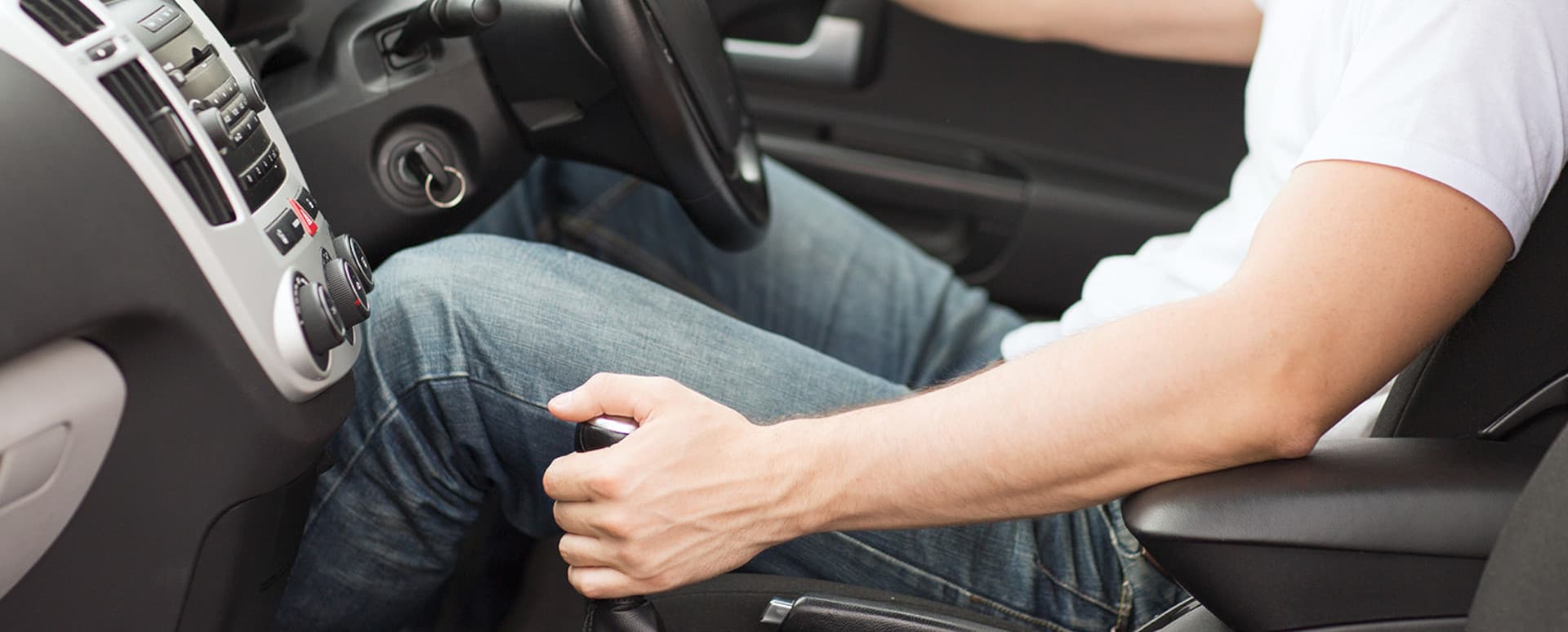
Changing gears is another central part of how to drive a manual car. You change up when the engine is working hard at a higher speed. You change down when you need more power or control.
To shift up:
Release the gas pedal.
Press the clutch fully down.
Move the gear lever into the next gear.
Slowly release the clutch.
Press the gas pedal gently.
The correct shift speed depends on the car. Many vehicles shift from first to second at about 10 to 15 mph, then move through higher gears as speed increases. Use the engine sound, vehicle speed, and owner’s manual as guides.
Do not force the gear lever. A healthy transmission should allow a smooth shift with light pressure. Grinding sounds may mean the clutch is not fully pressed or the gear change is too fast.
First gear is for moving from a stop. It is not usually designed for normal cruising. Once the car is moving, shift into second gear when the engine feels ready.

How to Slow Down and Stop
Learning how to drive a manual car also means knowing how to stop without stalling. For a normal stop, brake first and press the clutch before the engine speed becomes too low.
Use this method:
Release the gas.
Apply the brake smoothly.
Press the clutch fully down as the car slows.
Shift into neutral if you will remain stopped.
Keep the brake pressed until you are ready to move again.
If you stop briefly, such as at a traffic light, you can remain in first gear with the clutch pressed. However, holding the clutch down for a long time may cause leg fatigue. Selecting neutral and releasing the clutch is often more comfortable during a longer wait.
For an emergency stop, press the brake firmly and press the clutch down. Stopping safely is more important than preserving a perfectly smooth gear change.
When slowing without stopping, you can downshift. Press the clutch, select a lower gear, and release the clutch gradually. Downshifting can help maintain control, but avoid selecting a gear that is too low for your speed.

How to Drive Uphill
Hill starts are one of the most difficult parts of how to drive a manual car. The car may roll backward when you release the brake, so use the parking brake as a simple support.
Try this method:
Stop with the parking brake engaged.
Press the clutch and select first gear.
Add a little gas.
Slowly release the clutch until you feel the car pull forward.
Lower the parking brake.
Continue releasing the clutch while adding gentle gas.
The car should begin moving forward instead of rolling back. Practice this on a mild slope before trying a busy hill.
Some newer cars have hill start assist. This feature may hold the brakes for a short time, but you should not depend on it. Learn the basic method because systems differ between vehicles.
Never use excessive gas to fight a hill. High engine speed and a slipping clutch create heat. If you smell a strong burning odor, stop practicing and allow the clutch to cool.

Common Beginner Mistakes
Most problems with how to drive a manual car come from rushing. Smooth control matters more than speed.
Here are common mistakes and their solutions:
• Releasing the clutch too quickly: Lift the clutch more slowly near the bite point.
• Using too much gas: Start with gentle pressure and listen to the engine.
• Resting your foot on the clutch: Move your left foot to the footrest after shifting.
• Riding the clutch on hills: Use the brake or parking brake instead.
• Looking constantly at the gear lever: Learn the pattern before driving and keep your eyes on the road.
• Shifting without pressing the clutch: Fully press the clutch before changing gears.
• Using the wrong gear: Select a lower gear for more power and a higher gear for steady speed.
• Panicking after a stall: Press the clutch, brake, and restart calmly.
During early practice, I recommend focusing on one skill at a time. First learn the bite point. Then practice starting. After that, add gear changes and hills. Trying to master everything at once can make the car feel much harder than it is.
How to Use Engine Braking
Engine braking happens when you release the gas while the car remains in gear. The engine helps slow the vehicle, especially when traveling downhill.
Engine braking can reduce the need for constant braking, but it does not replace the brake pedal. Your brakes are designed to stop the car quickly and safely.
To use engine braking:
Release the gas.
Keep the car in a suitable gear.
Downshift only when the vehicle speed matches the lower gear.
Release the clutch smoothly.
Use the brake when more stopping power is needed.
Do not shift into neutral while traveling downhill. You lose engine braking and may have less control. Never select reverse while moving forward.
On wet, icy, or loose roads, sudden downshifts can make the drive wheels lose traction. Make every gear change gently and leave extra space around your car.

How to Drive in Traffic
Once you know how to drive a manual car in an empty area, practice in light traffic. Choose a familiar route with clear roads and few steep hills.
Keep a safe following distance. This gives you more time to slow down, change gears, and respond to traffic.
In slow traffic, avoid constantly moving a few feet at a time with the clutch half engaged. Instead:
• Leave more space ahead.
• Move forward gently in first gear.
• Stop and select neutral when traffic stops.
• Use the clutch only when you need to move again.
At intersections, plan ahead. If the light is red and traffic is stopped, select neutral rather than holding the clutch down for a long time. If the light changes soon, remain prepared in first gear with the clutch pressed.
Do not let pressure from other drivers make you rush. A patient, controlled start is safer than a fast stall or sudden launch.
How to Protect the Clutch and Transmission
A manual transmission can last many years when used correctly. Poor habits can cause early clutch wear and expensive repairs.
Avoid these habits:
• Keeping your foot on the clutch while driving.
• Holding the car on a hill with the clutch.
• Resting your hand on the gear lever.
• Using high engine speed during every start.
• Shifting into a low gear at excessive speed.
• Ignoring grinding, slipping, or unusual noises.
A worn clutch may slip. You may notice the engine speed rising without a matching increase in vehicle speed. A burning smell, difficulty selecting gears, or a clutch pedal that feels unusual also deserves attention.
Maintenance needs vary by vehicle. Follow the service schedule in the owner’s manual. If the clutch slips badly or the transmission grinds often, have the car inspected by a qualified technician.
A Simple Practice Plan
A clear practice plan can make how to drive a manual car less stressful. Practice in short sessions, because tired legs and frustration can reduce your control.
Use this progression:
Sit in the parked car and learn the pedal positions.
Practice pressing and releasing the clutch with the engine off.
Find the bite point in first gear.
Start and stop in a quiet, flat area.
Practice shifting from first to second gear.
Practice stopping and starting at low speed.
Add gentle hills.
Drive on quiet streets.
Practice normal traffic and parking.
Repeat each step until it feels predictable. You do not need to be perfect before moving on, but you should feel calm and safe.
A useful lesson from hands-on practice is that your ears and feet often tell you more than your eyes. The engine note, clutch resistance, and movement of the car give clear signals. With time, these signals become automatic.
Safety Tips for New Manual Drivers
Safety should remain the main goal when learning how to drive a manual car. Skill comes from practice, but good judgment protects you while that skill develops.
Follow these rules:
• Practice only where you are legally allowed to drive.
• Follow local learner-permit and supervision laws.
• Wear your seat belt every time.
• Never use a phone while driving.
• Do not drive under the influence of alcohol, drugs, or medication that causes drowsiness.
• Check the weather and road conditions before practice.
• Keep both hands available for steering whenever possible.
• Do not carry distracting passengers during early lessons.
• Know where the emergency brake and hazard lights are.
Vehicle controls vary. Some manual cars have light clutches, while others have heavy pedals. Some have short gear movements, and others feel longer. Always use the vehicle’s owner’s manual as the final guide.
Benefits and Limitations of a Manual Car
Manual cars offer several benefits. They give the driver direct control over gear selection and engine power. Many drivers also enjoy the active feel and greater involvement.
Other possible benefits include:
• Better control on certain steep roads.
• A stronger understanding of vehicle behavior.
• Lower purchase costs in some markets.
• More choice in sports cars and older vehicles.
• The ability to continue driving if the automatic transmission market has limited options.
However, a manual car also has limitations. Heavy traffic can make repeated clutch use tiring. Hill starts require more skill. A poorly operated clutch can be expensive to replace.
Fuel savings are not guaranteed. Modern automatic transmissions can be highly efficient, and results depend on the vehicle, driver, road, and traffic. Choose a manual car because it suits your needs, not because of a broad claim about fuel use.
Frequently Asked Questions About How to Drive the Manual Car
Is it hard to learn how to drive the manual car?
It can feel difficult during the first few practice sessions, mainly because your feet and hands must work together. Most learners improve when they practice the clutch bite point and starts in a quiet, flat area.
What gear should I use when starting a manual car?
Use first gear when starting from a complete stop. Once the car moves and the engine speed rises, shift into second gear smoothly.
Why does a manual car stall?
A manual car usually stalls when the clutch is released too quickly or the engine does not receive enough gas. Press the clutch again, select neutral, restart the engine, and try more slowly.
Can I brake without pressing the clutch?
You can brake without the clutch when you are slowing gently and remain in a suitable gear. Press the clutch before the engine speed becomes too low or when you are coming to a full stop.
How do I stop a manual car at a red light?
Release the gas, brake smoothly, and press the clutch before the car reaches very low speed. If the wait is more than a moment, select neutral and release the clutch.
How do I prevent rolling backward on a hill?
Use the parking brake while you find the clutch bite point and add gentle gas. Release the parking brake only when the car begins to pull forward.
Should I keep the clutch pressed at a stop?
For a short stop, you may keep the clutch pressed while in first gear. For a longer stop, select neutral and release the clutch to reduce fatigue and unnecessary clutch pressure.
Conclusion
Learning how to drive a manual car is mainly about timing. Press the clutch fully, choose the correct gear, find the bite point, and make smooth movements. Practice starts, stops, shifts, and hill control in a safe area before entering busy traffic.
Stalls and rough shifts are normal during the learning stage. Stay patient, listen to the engine, and build your skills one step at a time. Use this guide during your next practice session, follow your vehicle’s manual, and consider working with a qualified instructor for extra confidence.