

Yes, a car’s air conditioner uses extra gasoline in gas-powered vehicles, but not directly.
The answer to “does car ac use gas” depends on how your vehicle is powered and how its cooling system works. A traditional car uses the engine to run the AC compressor, while a hybrid or electric vehicle may use an electric compressor. This guide explains the fuel cost, performance effects, driving tips, and warning signs of AC trouble in clear, practical terms.

Does car AC use gas?
Yes, car AC can use gas, but it does not burn gasoline inside the air conditioner itself. Instead, the engine sends power to the AC compressor through a belt or another mechanical system.
When you turn on the AC, the compressor pressurizes refrigerant. That refrigerant moves heat from the cabin to the outside air. The engine must work harder to spin the compressor, so it burns more gasoline.


This is why the answer to “does car ac use gas” is yes for most gas-powered cars. The AC adds an extra load, much like carrying a heavy backpack while walking uphill.
The amount of fuel used varies. It depends on:
• Vehicle size and engine type
• Outside temperature and humidity
• Desired cabin temperature
• AC system condition
• Driving speed
• Use of air recirculation
• Whether the vehicle is idling or moving
At highway speed, the added fuel use may be modest. During long periods of idling, the effect can be more noticeable because the engine is running only to power the car’s systems and maintain comfort.
How does a car air conditioner use fuel?
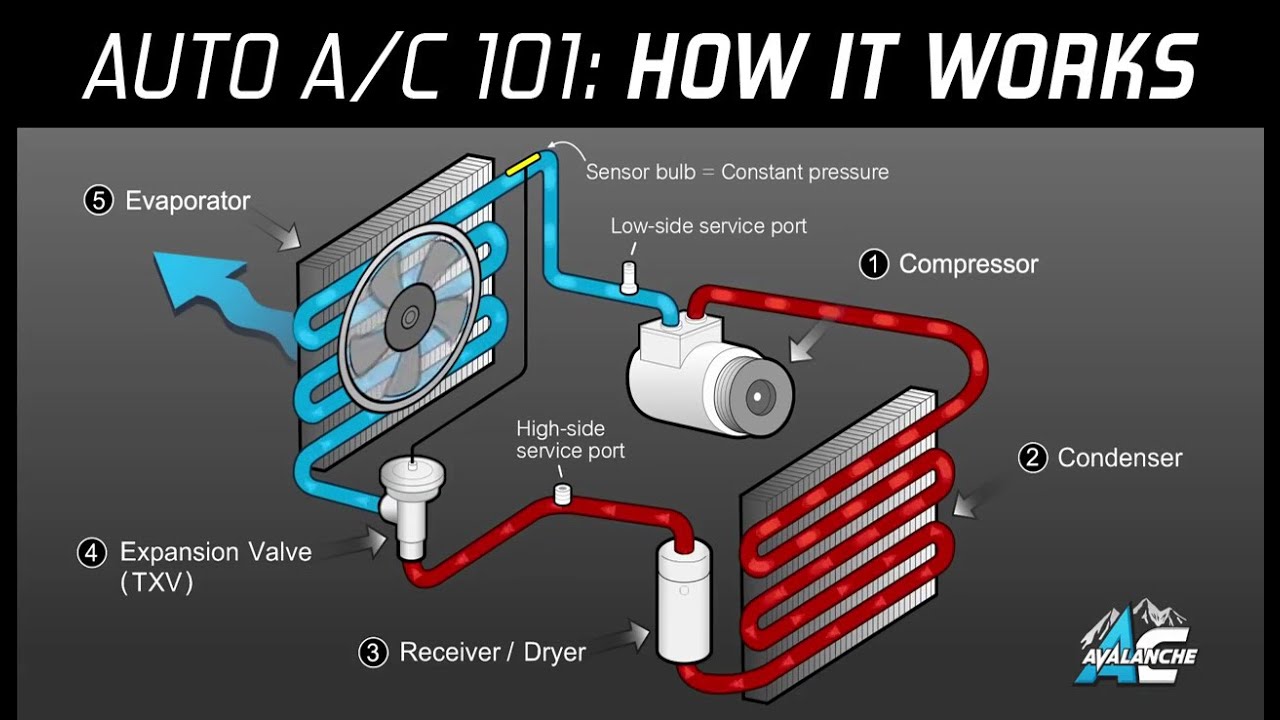
A gas-powered vehicle usually has an AC compressor connected to the engine by a serpentine belt. When you press the AC button, an electromagnetic clutch may engage the compressor.
The compressor then raises the pressure of the refrigerant. The refrigerant flows through the condenser, expansion device, and evaporator. The evaporator absorbs heat from the cabin, while the blower fan pushes cool air through the vents.
This process requires engine power. The engine control system responds by adding fuel and adjusting engine speed. That extra fuel helps prevent the engine from slowing when the compressor turns on.
The system also uses electricity for the blower motor, sensors, control panel, and cooling fans. The alternator creates that electricity, and the engine must provide the power to spin the alternator.
So, when people ask, “does car ac use gas,” the most accurate answer is that AC uses engine power, and the engine uses gasoline to create that power.
What happens when AC turns on?
You may notice a small change in engine sound or idle speed when the compressor engages. In a healthy vehicle, the computer quickly adjusts the engine to keep it running smoothly.


You may also feel a slight reduction in acceleration, especially in a small car with a small engine. This is normal, though it should not be severe.
If the engine shakes, stalls, or makes a loud squeal, the issue may be more serious. Possible causes include a worn belt, weak compressor, low refrigerant, or an engine problem.
How much gas does car AC use?
There is no single fuel-use number for every vehicle. Research from the U.S. Department of Energy shows that using AC can reduce fuel economy, especially in hot weather and during city driving. The exact effect changes with the vehicle and conditions.
In many cars, AC use may reduce fuel economy by a few percent. In very hot weather, heavy traffic, or extended idling, the impact can be higher.
For example, consider a vehicle that normally gets 30 miles per gallon. If AC use reduces efficiency by 5%, its fuel economy may drop to about 28.5 miles per gallon. This is only an example, not a fixed rule for every car.
The answer to “does car ac use gas” also changes with driving conditions:
• At idle, the AC can use fuel while the car travels zero miles.
• In city traffic, frequent stops and low airflow make the system work harder.
• On the highway, natural airflow helps cool the condenser.
• In extreme heat, the compressor may run for longer periods.
• With a large SUV or truck, the AC load may be greater than in a compact car.
A weak or poorly maintained AC system may also use more fuel because it runs longer to reach the same cabin temperature.
Does using AC use more gas than opening windows?
At low speeds, opening the windows may reduce the need for AC. However, open windows increase aerodynamic drag, especially at highway speeds.
At higher speeds, that drag can offset some of the fuel savings. The best choice depends on the car, speed, weather, and comfort level.
A practical approach is simple:
- Open the windows for a short time to remove hot air.
- Turn on the AC and use the recirculation setting.
- Close the windows once the cabin cools.
- Set the temperature to a comfortable level instead of the coldest setting.


Many drivers ask, “does car ac use gas more than windows?” There is no universal answer. At city speeds, windows may help save fuel. At highway speeds, properly used AC may be the more efficient and comfortable option.
Modern vehicles are designed with better insulation and more efficient compressors than older cars. Still, cooling a hot cabin takes energy, no matter which method you use.

Does car AC use gas when the car is parked?
Yes, a gas-powered car can use gas while parked if the engine is running and the AC is on. The compressor needs the engine to operate, even though the car is not moving.
Idling with AC can use a noticeable amount of fuel over time. The exact rate depends on engine size, temperature, compressor demand, and other electrical loads.
For safety and fuel savings, avoid sitting in a parked car with the engine running for long periods. Never idle in a garage, even if the garage door is open. Carbon monoxide can build up quickly and cause serious injury or death.
Remote start systems also use fuel when they run the engine for cabin cooling. If you use one, keep the warm-up or cool-down time short.
This is one of the clearest examples of why the answer to “does car ac use gas” is yes. The engine consumes fuel even when the vehicle is standing still.
Do hybrids and electric cars use gas for AC?
Hybrid vehicles may use either a belt-driven compressor or an electric compressor. Many newer hybrids use high-voltage electric compressors, allowing the AC to run even when the gasoline engine shuts off.
A hybrid can still use gasoline indirectly. If the battery charge drops, the gas engine may start to recharge the battery. The AC therefore affects energy use, even when the engine is not running continuously.
Fully electric vehicles do not use gasoline for air conditioning. They draw electricity from the high-voltage battery to run an electric compressor and cabin blower.
That electricity reduces driving range. In cold weather, cabin heating can have an even larger effect on range because many electric vehicles must create heat from battery power.
So, does car ac use gas in an electric vehicle? No. It uses stored electrical energy instead.
Plug-in hybrids may operate in either mode. If the vehicle is using its battery, the AC may reduce electric range. If the gasoline engine is running, the system may also increase fuel use.

Does AC use more gas than heat?
In many gas-powered cars, air conditioning creates a larger direct engine load than cabin heat. The heater usually uses hot engine coolant that already exists as a byproduct of engine operation.
The blower fan still uses electricity, and the engine must power the alternator. However, the heater does not usually need a compressor to create warm air.


There are exceptions. Some vehicles use electric heating systems, heat pumps, or supplemental heaters. These systems can draw more electrical power and may affect fuel or battery use differently.
In a conventional gas car, turning on the windshield defroster may also activate the AC compressor. This helps remove moisture from the air and clears fog from the glass.
That means you may hear the compressor run even when you want warm air. The AC is not cooling the cabin in this case; it is drying the air.
How to reduce fuel use while running car AC
You do not need to avoid AC completely to save fuel. Small changes can reduce the workload without making the cabin uncomfortable.
• Park in the shade when possible.
• Use a sunshade on the windshield.
• Open the doors briefly before turning on the AC.
• Use recirculated air after the cabin begins to cool.
• Keep windows closed at higher speeds.
• Avoid setting the temperature far below a comfortable level.
• Replace a dirty cabin air filter.
• Keep the condenser and radiator area clear of debris.
• Maintain the correct refrigerant charge.
• Have unusual noises or weak cooling inspected early.
One practical lesson I often share with drivers is not to blast the AC at full power for the entire trip. Letting hot air escape first makes the system’s job easier.
Another mistake is using outside-air mode in a very hot cabin. Recirculation usually cools the already-conditioned cabin air faster, though outside air is useful for reducing stale air and cabin moisture.
Fuel savings from these steps may seem small on one trip. Over a hot summer, however, small savings can add up.
Can low refrigerant make AC use more gas?
Low refrigerant does not always make the compressor use more fuel in a simple, direct way. However, a system with low refrigerant may cool poorly and run for longer periods, which can increase energy use.
Low refrigerant usually means there is a leak. Refrigerant does not normally disappear during regular operation. Adding more refrigerant without repairing the leak is only a temporary fix.
Common signs of low refrigerant include:
• Warm air from the vents
• Cooling that improves while driving but weakens at idle
• Ice on the refrigerant lines or evaporator


• Compressor cycling too often
• Uneven cooling across the vents
Do not use refrigerant cans without understanding the problem. Overcharging the system can also cause poor cooling and expensive damage.
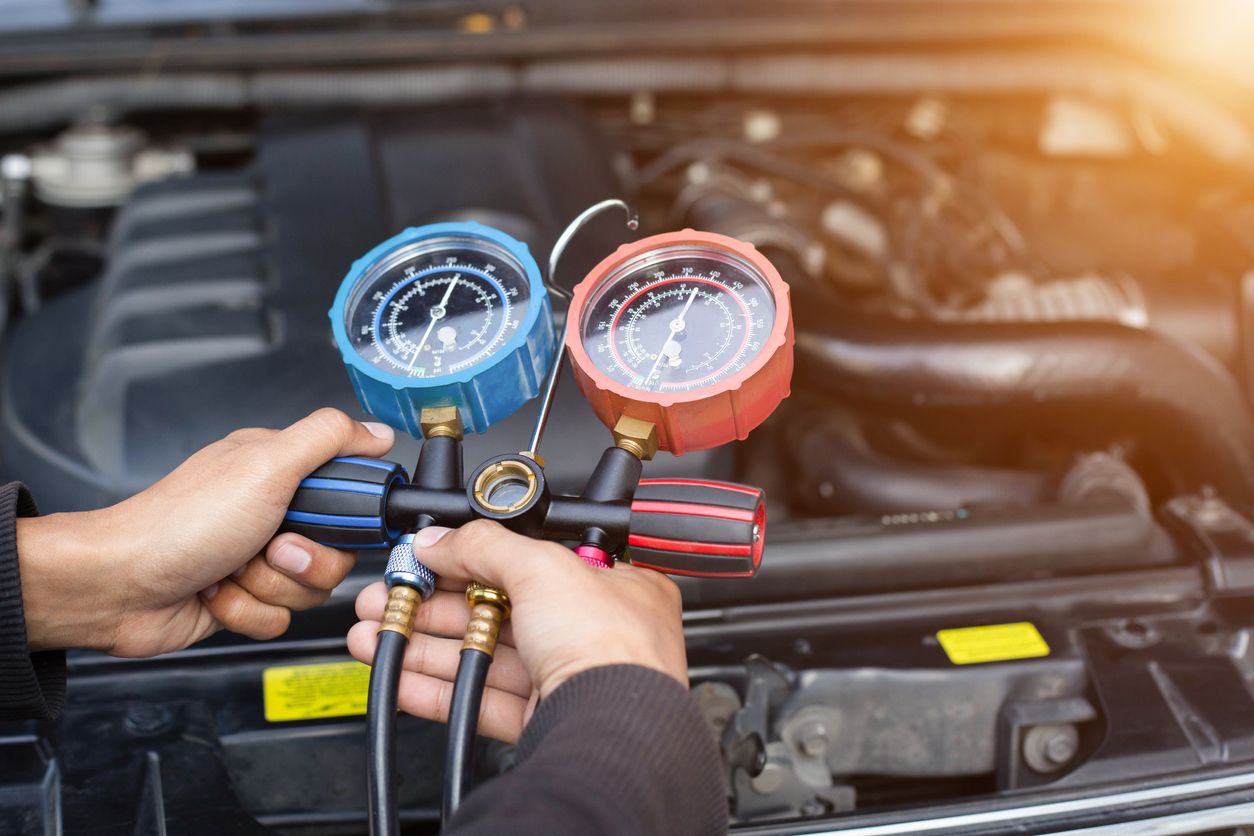
A qualified technician can test system pressure, inspect for leaks, and check compressor operation. Proper service helps the AC cool better and prevents unnecessary strain.
Does car AC affect engine performance?
Yes, the AC can slightly affect engine performance. The compressor takes power from the engine, so acceleration may feel weaker when the system is operating.
The effect is usually small in a healthy modern vehicle. It may be more noticeable in a compact car, an older vehicle, or a car climbing a steep hill.
Modern engine computers compensate by adjusting fuel delivery and idle speed. If your car struggles badly whenever you turn on the AC, that is not something to ignore.
Possible causes include:
• A failing AC compressor
• A slipping serpentine belt
• A weak alternator
• Dirty throttle components
• Engine misfire or poor maintenance
• Low engine idle speed
• Cooling system problems
A normal compressor engagement may cause a brief change in sound. Loud grinding, repeated clicking, belt squealing, or stalling calls for professional inspection.
How to tell whether your AC system is working properly
A healthy system should begin blowing cooler air within a short time, although the exact timing depends on outside temperature and vehicle design.
Check the system on a warm day with the engine running. Set the AC to its coldest setting, select recirculation, and use a medium or high blower speed.
Look for these normal signs:
• Steady airflow
• Cool air after a brief period
• A smooth compressor sound
• No strong chemical or musty odor
• No water leaking inside the cabin
Water dripping under the passenger side after using AC is often normal. It is usually condensation from the evaporator.
Warm air, weak airflow, unusual smells, or strange sounds may point to a fault. A dirty cabin filter can restrict airflow, while a refrigerant leak or compressor problem can reduce cooling.


Regular inspection is cheaper than waiting for a failed compressor. It also helps answer the question “does car ac use gas” in a practical way, because a well-maintained system generally works more efficiently.
Frequently Asked Questions About Does Car AC Use Gas
Does car AC use gas while driving?
Yes, a gas-powered vehicle uses extra gasoline because the engine powers the AC compressor. The added fuel use is usually small but can increase in hot weather, heavy traffic, or during long periods of idling.
Does car AC use gas when the car is off?
No, a standard gasoline car cannot run its belt-driven AC compressor when the engine is off. Some hybrids and electric vehicles can run AC with the engine off because they use electric compressors and battery power.
Does turning off AC save gas?
Turning off AC can save some fuel because it removes the compressor load from the engine. The savings vary by vehicle and conditions, and opening windows at high speed may create enough drag to reduce the benefit.
Does car AC use more gas than heat?
In a conventional gas-powered car, AC often creates more direct engine load than normal cabin heat. However, defroster settings may activate the AC compressor to dry the air, even when warm air is coming from the vents.
Does a car use gas when AC is on but the fan is off?
If the AC compressor is engaged, the car may still use extra fuel even if the cabin fan is set low or off. Some vehicles automatically disengage the compressor when the fan is off, but the behavior depends on the model.
Can low refrigerant increase fuel use?
Low refrigerant can reduce cooling and make the system work poorly. It may cause longer compressor operation, but the main concern is usually a leak or system damage that needs repair.
Conclusion
A gas-powered car’s AC does use extra gasoline, but the air conditioner does not burn fuel directly. The engine powers the compressor, and that added workload can lower fuel economy, especially during hot weather, city driving, and extended idling.
Hybrids may use electric compressors, while electric vehicles use battery energy instead of gasoline. Smart habits, such as using recirculation, parking in the shade, maintaining the refrigerant system, and avoiding long idling, can improve comfort and efficiency.
Now that you know the answer to “does car ac use gas,” use your AC wisely and watch for signs of poor performance. For more practical vehicle tips, explore related maintenance guides or share your own experience in the comments.