

How do you clean carpet in a car? Vacuum it, treat stains, scrub gently, rinse lightly, and dry it fully.
Learning how do you clean carpet in a car is easier when you follow the right order. Car carpet holds dust, food crumbs, mud, salt, pet hair, and odors deep below the surface. A careful clean can refresh the cabin without soaking the padding or harming the floor.
This guide explains professional car carpet cleaning methods with simple tools, safe products, and practical tips. It also covers stubborn stains, wet carpet, bad smells, floor mats, drying, and mistakes that can cause mold or damage.
What You Need to Clean Carpet in a Car
Before asking how do you clean carpet in a car, gather the right tools. Good preparation saves time and helps prevent stains from spreading.
You do not need expensive equipment for a basic clean. A strong household vacuum, soft brush, microfiber towels, and a mild carpet cleaner can handle most daily messes.
You may need:
• A vacuum with a crevice tool
• Soft and medium-stiff detailing brushes
• Microfiber towels
• A spray bottle
• Warm water
• Automotive carpet cleaner or mild upholstery cleaner
• A bucket
• Rubber gloves
• A plastic scraper or old gift card
• Baking soda for light odor control
• A wet-dry vacuum, if available
Always read the cleaner label first. Some products are made for fabric seats but are not safe for carpet backing, plastic trim, or dyed fibers. Test any product on a hidden area before using it across the floor.

How Do You Clean Carpet in a Car Step by Step?
The best method is to work from dry cleaning to controlled wet cleaning. Starting with water can turn loose dirt into mud and push it deeper into the carpet.
Use these steps to clean car carpet safely:
1. Remove everything from the car
Take out floor mats, child seats, trash, tools, and personal items. Move the front seats forward and backward so you can reach the tracks and hidden areas.
Check under the seats. Coins, wrappers, leaves, and small stones often collect there. Remove large debris by hand before using the vacuum.
2. Vacuum the entire carpet
Vacuum slowly in several directions. Make one pass from front to back, then another from side to side.
Use the crevice tool around:
• Seat rails
• Door edges
• Center consoles
• Pedals
• Carpet seams
• Areas below the dashboard
A slow vacuum pass lifts much more dirt than a quick pass. For pet hair, use a rubber brush or slightly damp rubber glove to gather the hair before vacuuming again.
3. Loosen stuck dirt
If the carpet has dried mud or ground-in dirt, brush it gently before applying cleaner. A medium-stiff brush can loosen the fibers, but avoid aggressive scrubbing.
For gum, wax, or tar, place a small ice pack over the spot. Once the material hardens, lift it with a plastic scraper. Never use a sharp knife, as it can cut the carpet fibers.
4. Treat stains first
Spray a small amount of cleaner onto a microfiber towel or directly onto the stain. Work from the outside toward the center.
This method keeps the stain from spreading. Let the product sit for the time listed on the label, then blot or brush gently.
5. Clean small sections
Divide the carpet into sections of about two square feet. Lightly mist one section, brush it, and remove the dirty moisture before moving on.
Avoid flooding the floor. Under the carpet is often a foam pad that can hold water for a long time. Excess water may create musty odors, mildew, rust, or electrical problems.
6. Remove cleaner residue
Use a clean, damp microfiber towel to lift leftover soap. If you have a wet-dry vacuum or carpet extractor, make several slow passes over the area.
Do not add more water than needed. The goal is to remove dirt and soap while keeping the carpet only slightly damp.
7. Dry the carpet completely
Open all doors or windows in a safe, dry place. Use fans to move air through the cabin.
Do not close the car while the carpet is still damp. A closed, wet cabin is like a sealed lunch box on a warm day. It quickly develops a sour smell.
How Do You Clean Carpet in a Car Without a Carpet Cleaner?
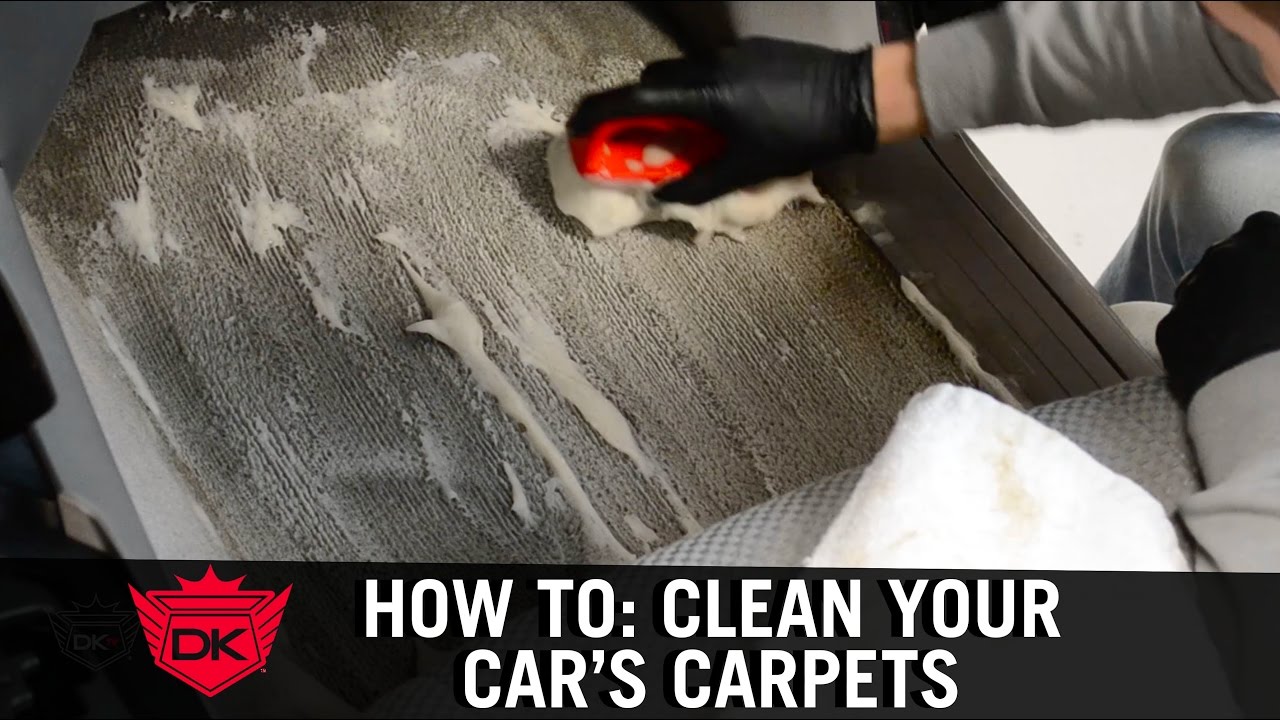
You can clean car carpet without a machine by using a vacuum, mild cleaner, brush, towels, and patience. This method works well for light dirt, small spills, and regular maintenance.
Mix a small amount of automotive carpet cleaner with water according to the label. If no product is available, use a few drops of mild dish soap in a large bowl of water. Do not use too much soap because it can leave a sticky film that attracts more dirt.
Follow this simple process:
Vacuum the carpet thoroughly.
Apply a small amount of cleaning solution to a towel or brush.
Work on one small area at a time.
Blot dirty moisture with a dry towel.
Wipe the area with a lightly damp cloth.
Dry the carpet with open doors and moving air.
This hand-cleaning method takes longer than an extractor, but it gives you better control over moisture. It is often safer for older vehicles with worn carpet backing or exposed wiring.
In my experience, the most common mistake is spraying the whole floor at once. It feels faster, but the carpet becomes too wet before you can remove the dirty water. Small sections produce a cleaner result and a faster dry time.

How Do You Clean Car Carpet With a Carpet Extractor?
A carpet extractor sprays clean water into the fibers and pulls dirty water back out. It can provide a deep clean, but it must be used carefully inside a vehicle.
First, vacuum the carpet. Then apply a suitable automotive carpet solution as a light pre-treatment. Allow it to work for a few minutes, but do not let it dry on the surface.
Use the extractor with slow, overlapping passes:
• Make one pass while spraying and extracting.
• Make two or three passes without spraying.
• Check the recovery tank for dirty water.
• Repeat only if the carpet still looks soiled.
The dry passes are important. They remove moisture that could otherwise stay inside the padding.
Do not use an extractor near exposed electrical connectors, seat controls, airbags, or electronic modules. Many modern vehicles have wiring and control units under the seats. Check the vehicle manual before applying water in these areas.
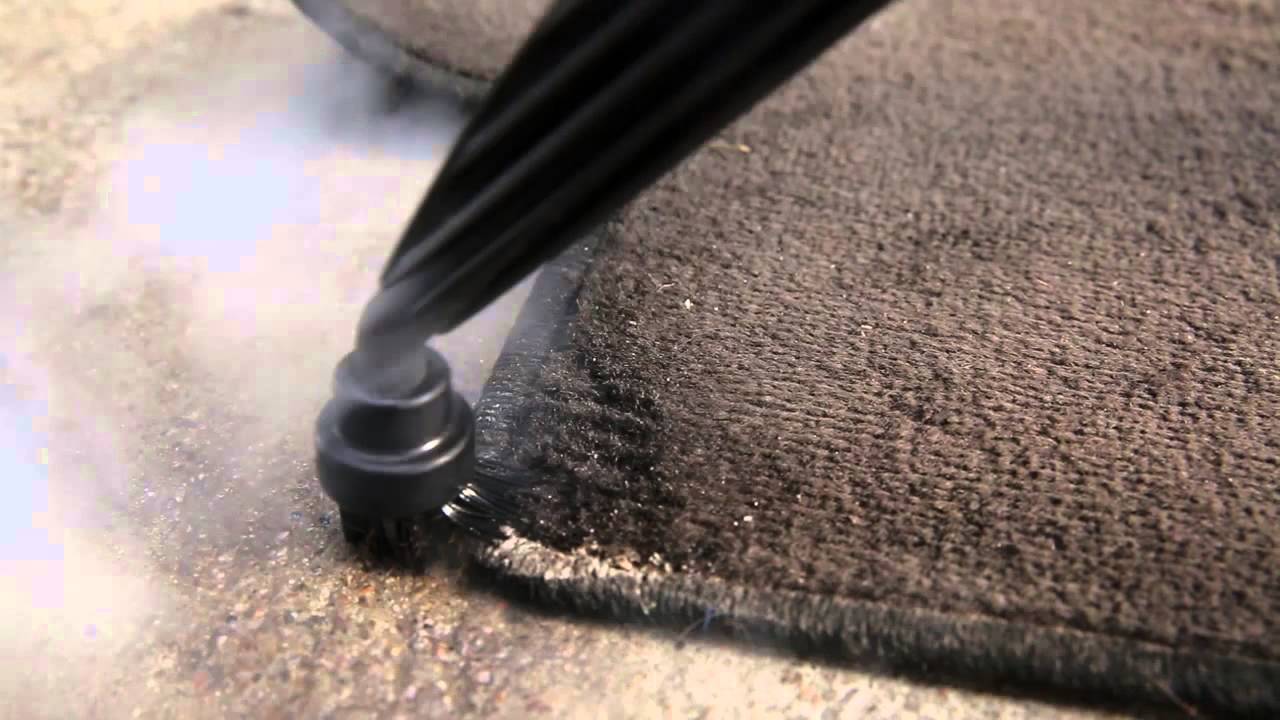
A professional detailer may use heated extraction, but heat is not always better. High heat can affect adhesives, loosen carpet backing, or set certain stains. Moderate water temperature and strong extraction are usually safer.

How Do You Clean Car Carpet With Baking Soda?
Baking soda can help absorb light odors, but it does not replace proper carpet cleaning. It works best when the carpet is dry and the smell is mild.
Sprinkle a thin layer over the carpet. Let it sit for several hours, or overnight if the car is in a dry, safe place. Then vacuum very slowly.
Avoid using large amounts. Fine powder can settle deep into the carpet and may be difficult to remove. It can also enter seat tracks, vents, or small electrical spaces.
Baking soda will not solve odors caused by:
• Mold or mildew
• Spilled milk
• Pet urine
• Wet padding
• Water leaks
• Smoke absorbed into the carpet
These problems need a deeper cleaning and, in some cases, repair of the moisture source. If the carpet smells again soon after cleaning, inspect door seals, the windshield seal, sunroof drains, and the trunk area for leaks.

How to Remove Common Car Carpet Stains
Different stains need different treatments. Always blot first and test the cleaner on a hidden patch.
Coffee and soda
Blot fresh liquid with a towel. Do not rub hard, because rubbing pushes the drink deeper into the fibers.
Apply a small amount of carpet cleaner, work gently with a soft brush, and blot again. Sugary drinks need extra rinsing because leftover sugar creates a sticky surface.
Grease and oil
Use an automotive degreaser that is safe for fabric. Apply it sparingly to a towel first, then dab the stain.
Follow with a fabric cleaner to remove residue. Do not soak the area, as oil can spread through the backing.
Mud
Let thick mud dry before cleaning. Vacuum the loose dirt, brush the remaining particles, and vacuum again.
Cleaning wet mud often makes a larger stain. This is one of the few times when waiting helps.
Pet urine
Blot fresh urine immediately. Use an enzyme-based cleaner made for fabric and follow the label instructions.
Enzyme cleaners need enough contact time to break down odor-causing material. Avoid covering the smell with fragrance, since perfume only hides the problem for a short time.
Vomit or food
Remove solid material with paper towels or a plastic scraper. Wear gloves and clean the area with a suitable fabric cleaner.
For strong biological odors, use an enzyme product and ventilate the vehicle well. Dispose of contaminated towels safely.
Salt stains
Winter road salt can leave white marks on dark carpet. Use warm water and a fabric-safe cleaner, then extract or blot the area.
Repeat with small amounts of water until the white residue disappears. Dry the carpet fully to prevent another odor problem.

How Do You Clean Car Floor Mats?
Remove the mats before cleaning the interior carpet. This prevents dirty water from running onto the vehicle floor.
For rubber or all-weather mats, shake them outside and rinse them with water. Scrub them with mild soap and a brush, then rinse well and dry them completely before reinstalling.
For fabric mats:
Vacuum both sides.
Brush away dry mud.
Apply carpet cleaner lightly.
Scrub with a soft brush.
Blot or extract dirty water.
Air-dry the mats in a well-ventilated place.
Do not put wet mats back in the car. Moisture trapped beneath them can create odors and may damage the carpet underneath.
Check the driver’s mat before driving. It must sit flat and must not interfere with the accelerator or brake pedals. A loose mat can become a safety hazard.
How Do You Clean Wet Carpet in a Car?
Wet car carpet needs quick attention. The longer it stays wet, the greater the chance of odor, mildew, rust, and hidden water damage.
Start by finding the source of the water. Common causes include:
• Open windows
• Faulty door seals
• Clogged sunroof drains
• Damaged windshield seals
• Air conditioner drain problems
• Spilled drinks
• Flood water
Remove standing water with towels or a wet-dry vacuum. Lift the floor mats and check whether the padding underneath is wet. If water has reached the carpet underlay, surface drying may not be enough.
Use fans with the doors open. In warm, dry weather, sunlight can help, but do not leave the vehicle unattended with doors open. Avoid using a household hair dryer near fuel, plastic trim, or electrical wiring.
If the carpet remains wet after a day, smells sour, or shows visible mold, seek professional help. Flooded vehicles may have hidden electrical and safety-system damage that ordinary carpet cleaning cannot fix.
How Do You Clean Car Carpet and Remove Bad Odors?
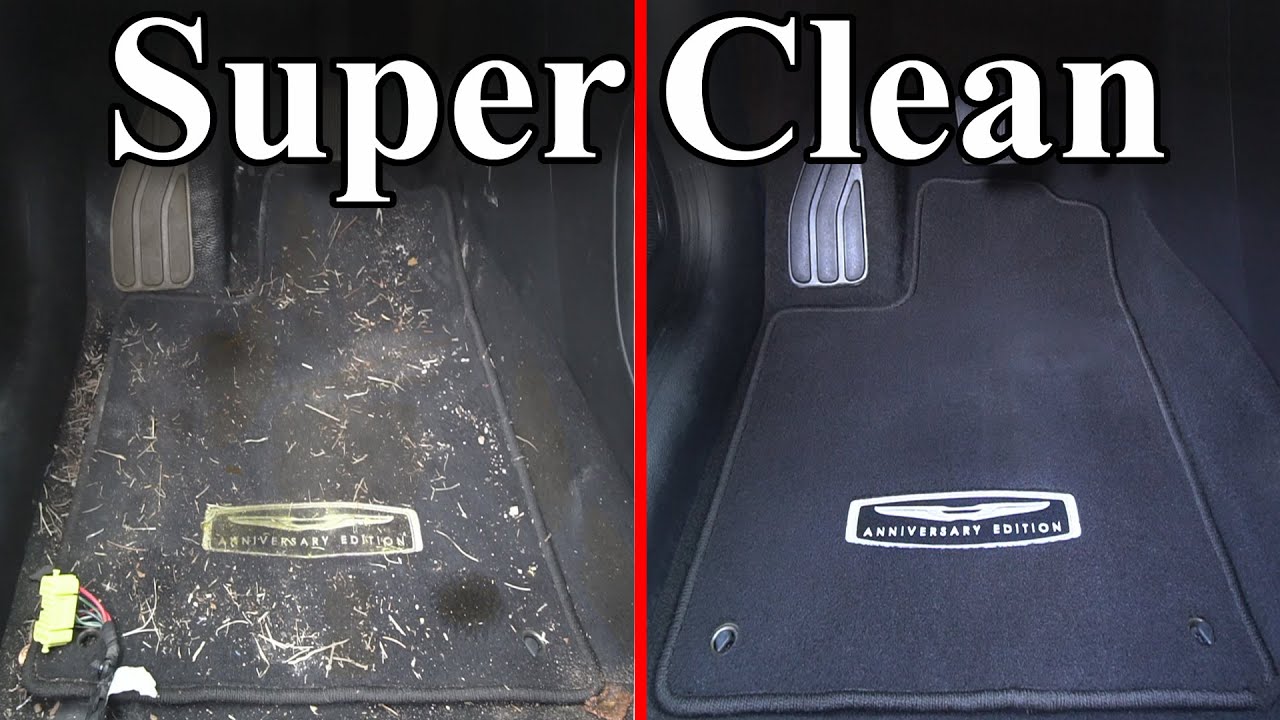
Odor removal starts with finding the source. Sprays and air fresheners only cover smells when the cause remains in the carpet or padding.
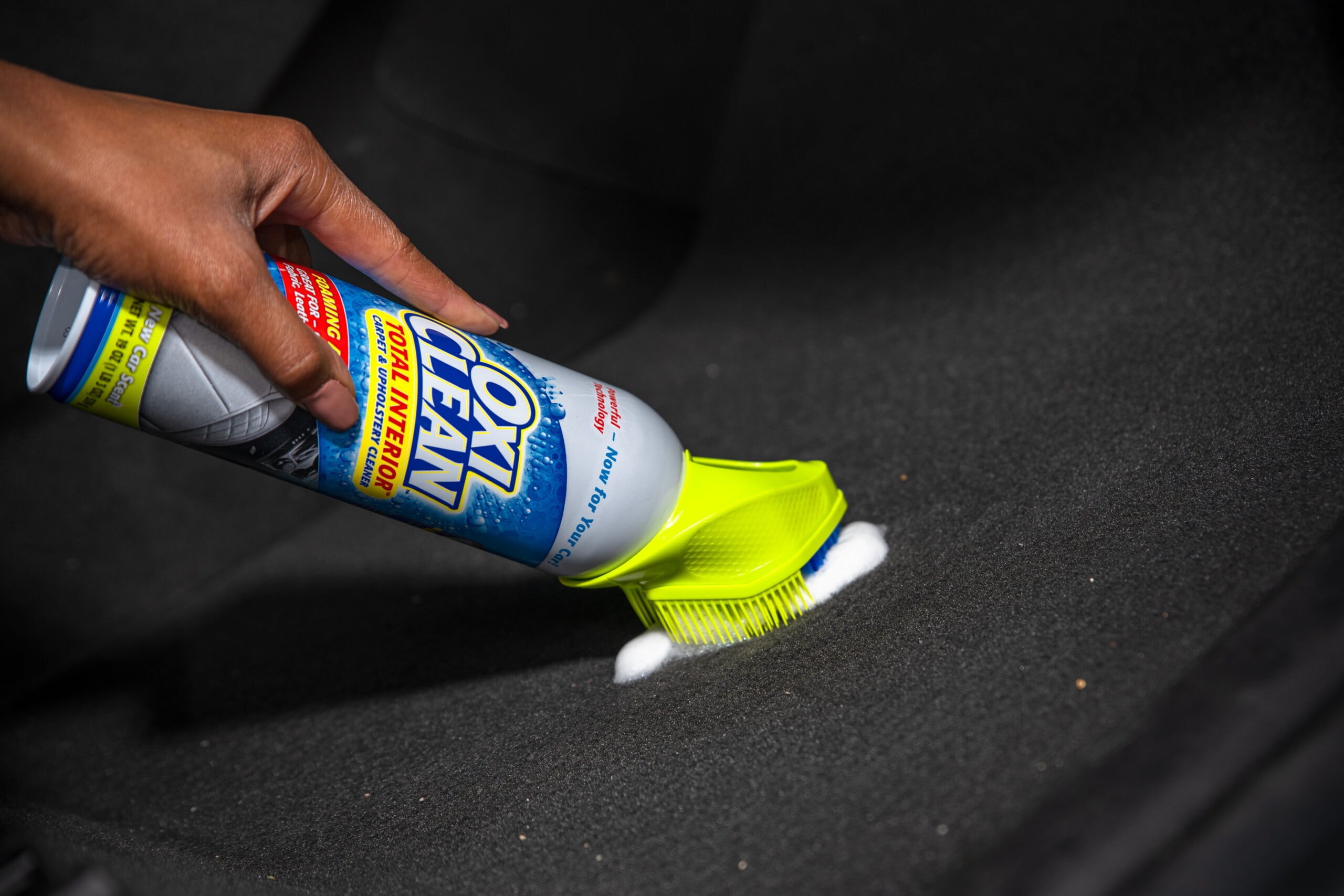
Vacuum first, then clean the affected area with a fabric-safe product. For organic odors such as milk, food, or urine, an enzyme cleaner may work better than a general detergent.
Improve airflow by opening the doors and using fans. Replace a dirty cabin air filter if the smell comes through the vents, but remember that the filter may not be the only cause.
A persistent musty smell often means hidden moisture. Check under the carpet, beneath the seats, and inside the trunk. A professional may need to remove seats or carpet to dry the padding properly.
One lesson I learned early in detailing is that fragrance can make diagnosis harder. Strong perfume may hide a wet carpet for a few days, but it does not solve the moisture problem.
Mistakes to Avoid When Cleaning Car Carpet
Knowing how do you clean carpet in a car also means knowing what not to do. Many carpet problems come from too much water, too much soap, or too much force.
Avoid these mistakes:
• Skipping the vacuum step
• Using household bleach
• Mixing different cleaning chemicals
• Scrubbing delicate carpet aggressively
• Soaking the floor under the seats
• Closing the doors before the carpet dries
• Using a stiff brush on loose fibers
• Applying strong degreaser without testing it
• Reinstalling wet floor mats
• Ignoring a leak or wet padding
Never mix bleach with ammonia, acids, or other cleaners. Chemical mixtures can create dangerous fumes. Use one product at a time and follow its label.
Also, avoid pressure washing carpet mats while they are inside the vehicle. High-pressure water can force moisture beneath the carpet and into electrical components.
How Often Should You Clean Carpet in a Car?
Most vehicles need a full carpet cleaning two to four times a year. The right schedule depends on use, weather, pets, children, and spills.
Vacuum weekly if you drive often or carry passengers. Clean spills as soon as they happen. A fresh stain is usually much easier to remove than one that has dried for several weeks.
Use this simple schedule:
• Vacuum: Weekly or every two weeks
• Spot clean: As soon as a spill happens
• Floor mat wash: Monthly or when visibly dirty
• Deep carpet clean: Every three to six months
• Odor inspection: After any spill, leak, or wet-weather event
Drivers in snowy areas may need more frequent salt removal. Families with pets or young children may also need deep cleaning more often.
Regular cleaning protects the carpet fibers and helps the cabin feel fresh. It also lets you notice leaks before they cause expensive damage.
Safety Tips for Cleaning Car Carpet
Car interiors contain wiring, sensors, airbag parts, and electronic control modules. Cleaning should protect both the fabric and the vehicle systems.
Keep these safety tips in mind:
• Turn the vehicle off before cleaning.
• Remove the key or keep the key fob away from the vehicle.
• Do not spray directly onto switches, screens, outlets, or seat controls.
• Avoid soaking areas beneath the seats.
• Wear gloves when handling bodily fluids or strong cleaners.
• Provide fresh air while using cleaning products.
• Keep children and pets away from wet chemicals.
• Read both the cleaner label and the vehicle manual.
If you need to remove a seat, understand that many seats contain side airbags and electrical connectors. Unless you know the correct procedure, leave seat removal to a qualified technician.
Professional cleaning is also wise after flooding, large milk spills, mold growth, or water that reaches electronic components.
Frequently Asked Questions About How Do You Clean Carpet in a Car
How do you clean carpet in a car without making it too wet?
Use a light mist of cleaner on small sections. Blot or extract each section at once, then use fans and open doors to dry the carpet fully.
Can I use laundry detergent on car carpet?
Laundry detergent is not ideal because it may create heavy foam and leave residue. Use an automotive carpet cleaner or a very small amount of mild soap instead.
What is the best way to clean old stains from car carpet?
Vacuum first, apply a fabric-safe stain cleaner, and let it sit for the label’s recommended time. Work gently and repeat the process instead of using force that may damage the fibers.
How do I remove a musty smell from car carpet?
Clean the carpet and dry it completely, then inspect the vehicle for leaks or wet padding. If the smell returns, the moisture source may be under the carpet or inside the padding.
Can I use a steam cleaner on car carpet?
Steam can work on some automotive fabrics, but excessive heat and moisture may damage adhesives, backing, electronics, or trim. Check the vehicle and machine instructions, and use low moisture when possible.
How long does car carpet take to dry?
Lightly damp carpet may dry within several hours with airflow. Saturated carpet can take one to two days or longer, especially when the padding underneath is wet.
Should I clean the car carpet before or after the seats?
Vacuum and clean the carpet before cleaning the seats. This prevents dirty water and debris from falling onto freshly cleaned upholstery.
Conclusion
Learning how do you clean carpet in a car comes down to a few key habits: vacuum first, use little water, treat stains gently, remove soap residue, and dry everything completely. Small sections are safer than soaking the whole floor, especially around seats and electronics.
Clean spills quickly, wash floor mats separately, and investigate any odor that returns. With the right tools and a careful process, you can make your car carpet look cleaner and keep the cabin healthier.
Try these steps during your next interior detail, and share your favorite car-cleaning tips or questions in the comments.
