How To Become A Race Car Driver: Start Your Career
To become a race car driver in the United States, start with karting or a track-driving school, build safe car-control skills, gain race experience, earn the license required by your sanctioning body, and create a realistic budget for equipment, travel, and car costs. You do not need to come from a wealthy family, but you do need discipline, fitness, coaching, seat time, and a safe path into competition.
A race license alone will not make you competitive. The best drivers learn slowly, follow track rules, study data, and avoid taking risks they cannot afford.
Introduction: What It Takes to Become a Race Car Driver
There is no single route into American motorsports. Your path depends on your age, budget, goals, location, and the type of racing you want to enter.
A club racer may compete in a Mazda, BMW, Honda, or purpose-built race car on road courses. A stock-car driver may aim for NASCAR. An open-wheel driver may follow a formula-car ladder. Others race karts, drag cars, sprint cars, off-road vehicles, or sports cars.
The basic path is:
- Learn car control in a controlled setting.
- Attend a recognized performance-driving or racing school.
- Choose a racing discipline.
- Buy, rent, or share a suitable race car.
- Obtain the required competition license.
- Enter beginner events.
- Review your driving and improve with coaching.
- Build results, relationships, and funding.
The safest route is not to drive as fast as possible on your first day. It is to build skill in steps.

Choose Your Type of Racing First
Choose a discipline before you spend heavily on a car. Each form of racing has different rules, costs, skills, and license requirements.
Road racing
Road racing takes place on permanent circuits or temporary street courses. Races include left and right turns, braking zones, passing, tire management, and race strategy.
Common U.S. organizations include:
- Sports Car Club of America (SCCA)
- National Auto Sport Association (NASA)
- International Motor Sports Association (IMSA)
- United States Auto Club (USAC), for some open-wheel and oval events
Road racing is often the most accessible starting point for adults because many clubs offer driver education, time trials, and entry-level wheel-to-wheel classes.
Karting
Karting is a strong foundation for drivers of many ages. A kart teaches:
- Braking control
- Corner speed
- Racing lines
- Passing
- Race starts
- Weight transfer
- Close competition
A kart does not behave exactly like a car. Still, it teaches race awareness and precision at a lower speed. Indoor rental karting is useful for basic practice. Outdoor sprint karting provides more serious competition.
Young drivers often begin in karting before moving to cars. Adults can start there, too.
Oval racing and stock cars
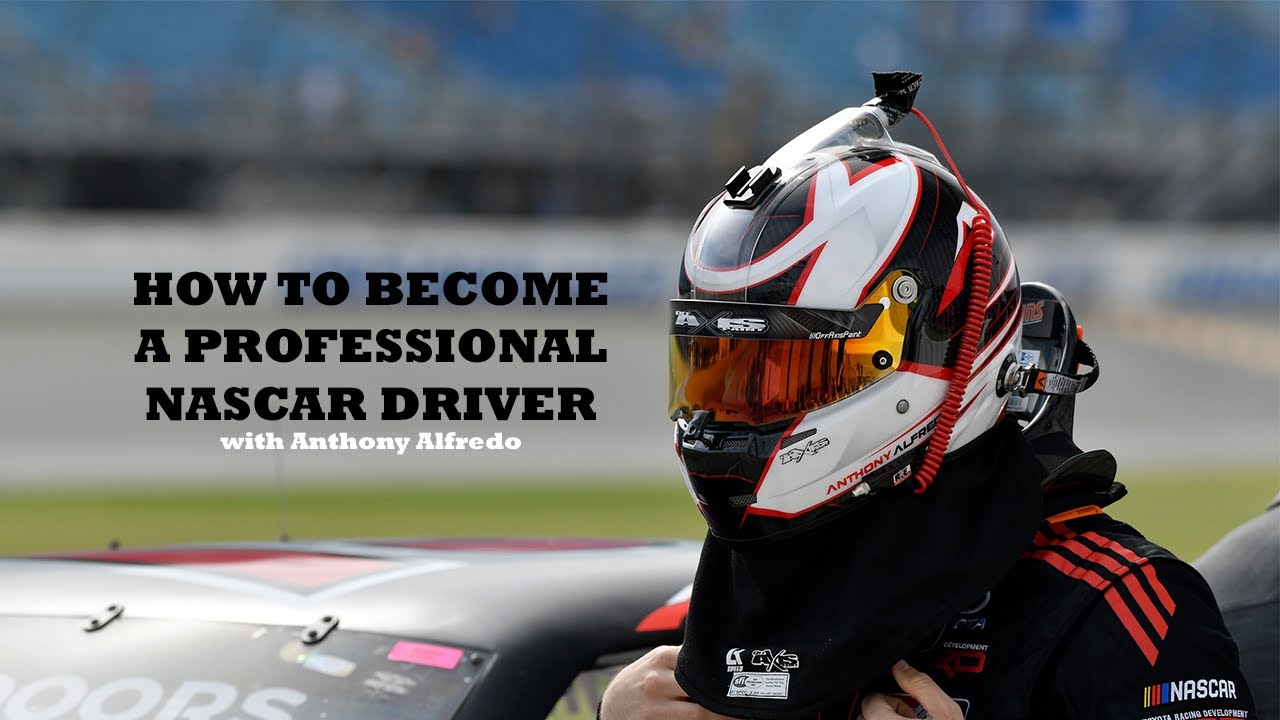
Oval racing includes short-track stock cars, late models, sprint cars, modifieds, and NASCAR divisions. The car turns mainly in one direction, but the skill level is very high.
Oval racing requires:
- Traffic management
- Throttle control
- Drafting
- Tire conservation
- Close side-by-side driving
- Fast decisions in changing grip
Local tracks may provide a more direct entry than national racing. Rules and license systems vary by track and sanctioning body.
Open-wheel and formula racing
Open-wheel racing uses cars with exposed wheels and strong aerodynamic performance. The career path often starts with karting and moves through formula series.
In the United States, a driver may progress through regional or national formula categories before seeking seats in higher-level series such as:
- USF Juniors
- USF2000
- USF Pro 2000
- Indy NXT
- INDYCAR
This ladder is highly competitive and can be expensive. Talent matters, but funding, testing, engineering support, fitness, and timing also matter.
Drag racing
Drag racing measures acceleration over a straight course. It requires different skills from road racing, including:
- Launch control
- Reaction time
- Traction management
- Gear selection
- Mechanical preparation
- Safety-system knowledge
The National Hot Rod Association (NHRA) publishes rules for many forms of drag racing. Some vehicles require specific safety equipment or credentials before they can run at certain speeds.
Off-road racing
Off-road racing includes desert racing, short-course racing, rallycross, and stage rally. These events demand car control on loose surfaces and careful preparation.
Stage rally is especially different from circuit racing. Drivers rely on pace notes, teamwork, and the co-driver's instructions. Off-road racing can also place heavy demands on the vehicle and support crew.
A simple decision guide
| If you want to… | Consider starting with… |
|---|---|
| Learn basic race craft at low speed | Rental karting |
| Race cars on paved circuits | SCCA or NASA events |
| Drive oval cars | A local short track or oval school |
| Pursue open-wheel racing | Karting and a formula-car school |
| Chase acceleration and power | NHRA-track events |
| Drive on dirt or loose surfaces | Rallycross or off-road school |
| Test skills before wheel-to-wheel racing | HPDE or time trials |
Start with the discipline you can practice often. Regular seat time usually helps more than one expensive event each year.
Learn the Skills Before You Enter a Race
A race car driver needs more than speed. You must control the car, understand risk, communicate clearly, and repeat good laps.
Start with a performance-driving school
A high-performance driver education program, often called HPDE, teaches car control on a closed track. It is not the same as a wheel-to-wheel race.
Many HPDE programs use an instructor in the passenger seat. The instructor can help you learn:
- Braking points
- Racing lines
- Throttle use
- Vision
- Passing rules
- Flag signals
- Track etiquette
NASA, SCCA regions, racetracks, and private schools offer programs in different parts of the United States. Check the instructor format, car requirements, helmet rules, and insurance terms before booking.
Do not treat public-road driving as race training. Public roads have pedestrians, traffic, hidden hazards, and legal limits. Save speed practice for a closed course.
Practice the core driving skills
Focus on these skills in order:
-
Looking ahead
Aim your eyes toward the next corner exit, not at the wall or car directly in front of you. -
Smooth braking
Apply the brake in a straight line first. Later, an instructor can teach you how to release brake pressure while turning. -
Correct corner entry
Entering too fast is one of the most common beginner errors. A slower entry can produce a faster and safer exit. -
Throttle control
Add power only when the car is stable and pointed toward the exit. -
Passing discipline
Follow the event's passing zones and signals. Never assume another driver has seen you. -
Flag awareness
Learn the meanings of green, yellow, red, black, blue, white, and checkered flags used by your organization. -
Consistency
A driver who repeats safe laps is easier to coach and more valuable to a team than a driver who produces one quick lap and several mistakes.
Learn from data and video
A basic lap-timing system, onboard video, and track notes can speed up learning. Use them to compare:
- Brake point
- Minimum corner speed
- Throttle pickup
- Steering input
- Exit speed
- Lap-to-lap consistency
Data does not replace a coach. It helps you ask better questions.
A useful review question is not, “Why was that lap slow?” Ask, “Where did the time begin to disappear?” The answer may be a late brake release, a poor exit, or too much steering input.
Build physical and mental fitness
You do not need the body size of a professional athlete to begin club racing. You do need enough strength and stamina to remain alert and control the car throughout an event.
Train:
- Neck and upper-back strength
- Core stability
- Cardiovascular fitness
- Heat tolerance
- Hand and forearm endurance
- Sleep and recovery habits
Mental skills matter as well. Practice staying calm after a mistake. A race can last many laps after one poor corner. Good drivers reset quickly.

Get a Competition License
You usually need a competition license before entering a sanctioned wheel-to-wheel race. The exact process depends on the organization, class, track, age, medical history, and previous racing record.
SCCA licensing
SCCA offers club racing programs and competition licenses. A new driver may need an approved novice permit, medical forms, driver-school participation, and a set number of observed or completed events before receiving a full license.
Requirements can change. Review the current SCCA General Competition Rules and your local SCCA region before registering.
NASA licensing
NASA separates driver education from competitive racing. A driver may progress through HPDE, time trials, and racing programs. NASA’s competition licensing requirements can include school participation, instructor approval, and race experience.
Check the current NASA rules for your region and racing class.
NASCAR licensing
NASCAR uses its own licensing system for many sanctioned divisions. A local short-track driver may follow a different path from a national-series driver.
Begin by contacting the track or series where you want to compete. Ask which license, safety equipment, medical documents, and experience are required for your intended class.
IMSA and professional sports-car racing
IMSA competition includes several classes and levels. A professional-level license may require experience, documentation, and approval beyond a beginner club license.
Drivers who want to reach IMSA should first build a record in appropriate club or development series. A racing school can help, but it does not guarantee a professional seat.
What a license does and does not mean
A competition license confirms that you meet an organization’s entry requirements. It does not prove that you are ready for every car or track.
A new license holder should still seek:
- Instructor feedback
- A safe test plan
- Familiarity with the car
- Practice starts and restarts
- Clear knowledge of flags
- A plan for mechanical failures
Your license is permission to compete under rules. It is not permission to ignore risk.

Create a Realistic Race Budget
Racing costs more than the entry fee. Plan for the full weekend, including transport, tires, fuel, repairs, safety gear, coaching, and missed work.
Main racing costs
| Cost category | What it may include |
|---|---|
| Driving school | Tuition, track access, instructor support |
| Race car | Purchase, rental, lease, or shared ownership |
| Safety equipment | Helmet, suit, gloves, shoes, head-and-neck restraint |
| Car preparation | Brakes, fluids, alignment, tires, belts, inspection |
| Event fees | Registration, testing, race entry, transponder |
| Travel | Fuel, lodging, food, trailer costs |
| Repairs | Crash damage, wear, overheating, electrical faults |
| Coaching | Data review, in-car coaching, testing support |
| Team support | Mechanics, tires, setup work, transport |
Costs vary widely by class and location. A rental arrive-and-drive program may cost more per event but reduce your repair and storage burden. Owning a car may reduce the cost per event after purchase, but you accept maintenance, transport, and resale risk.
Use a simple event calculation
For a hypothetical race weekend, add:
Entry fee + testing + tires + fuel + travel + lodging + crew + maintenance reserve
Example:
- Entry and track fees: $900
- Fuel and fluids: $250
- Tire reserve: $500
- Travel and lodging: $600
- Maintenance reserve: $400
Estimated weekend total: $2,650
This is only a planning example. Actual costs can be much lower or much higher. Tire wear, crash damage, and engine or transmission problems can change the result quickly.
Keep an emergency fund separate from your normal race budget. If one repair ends your season, the budget is too tight.
Control costs without cutting safety
You can reduce cost by:
- Choosing a common class with available parts
- Renting before buying
- Sharing transport
- Buying a proven used car
- Joining a local club
- Testing less and reviewing data more
- Learning basic maintenance
- Avoiding unnecessary engine upgrades
- Choosing a class with close technical rules
Do not save money by skipping required safety equipment, using worn tires, ignoring brake wear, or racing a car with known faults.

Buy or Rent Your First Race Car?
For many beginners, renting or sharing a car is the better first step. It lets you learn the sport before taking on ownership costs.
Renting is often best when you:
- Have little mechanical knowledge
- Race only a few weekends per year
- Want professional support
- Are still choosing a class
- Need to travel by air
- Want to test several types of cars
Ask the rental team what the price includes. Confirm whether it covers tires, fuel, damage, coaching, transport, repairs, and testing.
Buying may make sense when you:
- Plan to race often
- Have secure storage
- Can tow the car
- Can maintain it or pay a mechanic
- Understand the class rules
- Have money for repairs after the purchase
A cheap race car can become expensive if it needs a cage inspection, seat, belts, fire system, brakes, tires, suspension work, or engine repair.
Inspect a used race car carefully
Before buying, ask for:
- Build records
- Maintenance records
- Accident history
- Current technical inspection
- Logbooks, if the organization uses them
- Date codes on belts and fire-system parts
- Chassis and cage inspection
- Spare parts list
- Proof that the car fits the current class rules
Have an experienced race mechanic inspect the car. A road-car mechanic may not know what to check on a competition car.

Buy the Required Safety Gear
Safety equipment must meet the rules of your sanctioning body and event. Rules differ by organization, car type, speed, and class.
Common equipment includes:
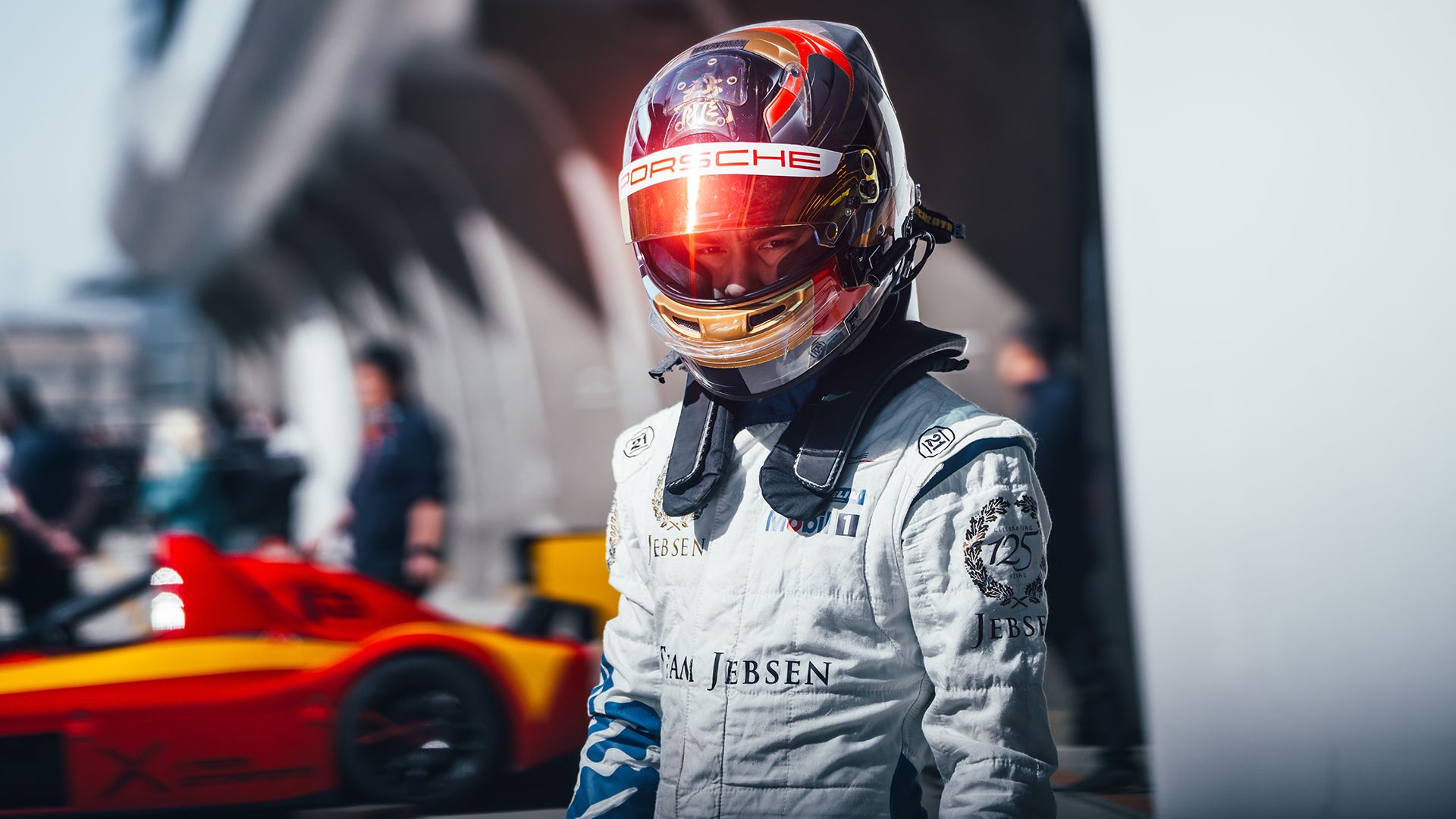
- Approved helmet
- Fire-resistant driving suit
- Fire-resistant gloves
- Fire-resistant shoes
- Head-and-neck restraint
- Fire-resistant underwear, where required
- Arm restraints for some open cars
- Roll cage or roll bar
- Racing seat
- Multi-point harness
- Fire-suppression system
- Window net or arm restraints, depending on the car
Check the current rulebook before buying. A product that looks suitable may not meet the required standard or date range.
The Snell Foundation publishes helmet standards used by many U.S. motorsports organizations. A Snell label alone does not guarantee that a helmet meets every event’s rule. Confirm the exact standard listed in the current rulebook.
Replace expired or damaged equipment. Do not use a helmet after a serious impact, even if the shell looks fine. Follow the maker’s inspection and replacement guidance.
A proper seat position matters, too. Your harness, head-and-neck restraint, seat, and steering wheel must work together. Ask a qualified race shop or tech inspector to review the installation.
Enter Your First Race Weekend
Your first race weekend should have one main goal: finish safely and learn.
Before the event
Read:
- The supplemental regulations
- The schedule
- The technical rules
- The driver briefing information
- The passing rules
- The required equipment list
- The rain and tire rules
Prepare the car early. Last-minute repairs create stress and can hide faults.
Pack:
- Helmet and suit
- Tools
- Fluids
- Tire-pressure gauge
- Tire pump
- Jack and stands
- Spare parts
- Food and water
- Sunscreen and weather gear
- Paperwork
- Chargers and communication devices
During practice
Use the first sessions to learn the track and confirm that the car works. Do not chase lap time before checking:
- Brake pedal feel
- Tire pressure
- Oil temperature
- Coolant temperature
- Steering response
- Fuel level
- Loose parts
- Warning lights
If the car feels wrong, pit. A strange vibration or soft brake pedal is a reason to stop, not a challenge to overcome.
During qualifying
Build speed in steps. Leave space from other cars. Learn how traffic affects your lap.
A clean qualifying lap is more useful than a risky lap that damages the car.
During the race
Follow the flags and race-control instructions. Keep your eyes moving. Leave room for other drivers. If you make contact, report it as required and accept that officials may need to review the incident.
Finish the race when possible. Completing a race teaches more than watching from the paddock after a preventable crash.
After the race
Record:
- Tire pressures
- Temperatures
- Fuel use
- Lap times
- Setup changes
- Mechanical problems
- Your own mistakes
Ask your coach or instructor for one or two priorities. Too many changes at once make progress hard to measure.

Build Experience, Results, and Relationships
Racing is both a driving activity and a team sport. Even a solo driver needs help with setup, transport, repairs, strategy, and safety.
Choose a class and stay long enough to learn
Changing classes every event can slow progress. Pick a class that fits your budget and local schedule. Race there long enough to understand the car, tires, setup, and rules.
A simple car in a competitive field can teach more than a powerful car with no track time.
Work with coaches and mentors
A coach should help you understand what to change and why. Look for someone with relevant experience in your car and discipline.
Avoid anyone who encourages unsafe passes, ignores officials, or promises professional results. Good coaching makes your decisions clearer. It does not make the risks disappear.
Build a racing résumé
Keep records of:
- Events entered
- Finishing positions
- Qualifying results
- Lap times
- Championships or class awards
- Licenses
- Coaching completed
- Media coverage
- Team work
- Sponsor value
A résumé cannot replace skill, but it helps teams and sponsors understand your experience.
Find funding honestly
Possible funding sources include:
- Personal savings
- Family support
- Local business sponsorships
- Team programs
- Driver development scholarships
- Manufacturer contingency programs
- Coaching or event work
- Content and community partnerships
A sponsor usually wants a useful partnership, not only a logo on a car. Explain what you can provide, such as local exposure, customer events, social content, community work, or hospitality.
Never promise media reach, wins, or professional advancement that you cannot prove.

Common Mistakes New Race Drivers Make
New drivers often lose money and progress through avoidable errors.
Buying the fastest car first
A fast car can hide weak technique and make mistakes more dangerous. Start with a car you can control and maintain.
Skipping instruction
Track time without feedback can reinforce bad habits. At least one good school or coaching session can correct errors that take years to notice alone.
Spending the whole budget on the car
Leave money for tires, brakes, fuel, repairs, travel, and safety gear. The purchase price is only the beginning.
Treating every session like qualifying
Practice is for learning. Testing is for controlled changes. Racing is for applying your skills within the rules.
Ignoring technical rules
A car can be quick and still fail inspection. Read the rules before modifying the vehicle.
Racing with worn equipment
Old belts, expired fire-system parts, damaged helmets, and worn tires create serious risk. Replace them on the required schedule.
Chasing other drivers
You cannot control another driver’s mistake. Focus on clean laps, predictable behavior, and good racecraft.
Failing to review incidents
If you spin or make contact, study the cause without blaming others too quickly. Ask what you saw, what you expected, and what you could do earlier.
A Practical 12-Month Starter Plan
This sample plan suits an adult beginner in the United States. Adjust it for your age, location, budget, and racing type.
Months 1–2: Explore
- Try rental karting.
- Attend a local race.
- Watch a driver briefing if available.
- Compare SCCA, NASA, track, and series calendars.
- Set a total annual budget.
Months 3–4: Train
- Complete an HPDE or approved performance-driving school.
- Take notes after each session.
- Learn flag rules.
- Practice basic car inspection.
- Decide on road racing, oval racing, karting, drag racing, or rally.
Months 5–6: Choose a class
- Read the rulebook.
- Visit a race paddock.
- Talk with several drivers.
- Rent or test a legal car.
- Price safety gear and transport.
- Avoid buying until you understand the class.
Months 7–9: Prepare
- Obtain the required license or novice permit.
- Buy approved safety gear.
- Complete car preparation.
- Attend a test day.
- Practice pit and emergency procedures.
Months 10–12: Race
- Enter a beginner-friendly event.
- Set a goal to finish cleanly.
- Review video and data.
- Keep a cost and maintenance log.
- Choose the next event based on learning, not ego.
Signs that you are ready to move up include consistent laps, clean race starts, correct flag response, controlled passing, and the ability to explain your car’s behavior.

Frequently Asked Questions
Do you need a college degree to become a race car driver?
No. A degree is not required to compete. Racing skill, experience, licensing, fitness, funding, and relationships matter more.
Education can still help. Mechanical training, engineering, business, marketing, and media skills may help you maintain a car, understand data, or attract support.
How old do you have to be to race a car in the United States?
The minimum age depends on the sanctioning body, event, car, and track. Karting often has youth programs. Some car-racing programs accept teenagers with parental approval and additional requirements.
Check the current rules for the exact organization and class. Do not assume that a driver’s license is the same as a competition license.
Can you become a race car driver if you start as an adult?
Yes. Adults can begin with karting, HPDE, track events, and club racing. An adult beginner may not have the same development timeline as a child who started in karting, but many forms of amateur racing are open to new drivers.
Choose a class that fits your budget and physical ability. Progress through skill, not pressure.
Is racing dangerous?
Motorsports carry serious risk, including crashes, fire, injury, and death. Safety systems reduce risk but cannot remove it.
Use a properly prepared car, approved equipment, trained officials, and a recognized track. Follow the rules. Stop if the car or track conditions become unsafe.
How much does it cost to become a race car driver?
There is no single price. A low-cost entry can involve rental karting, HPDE, or occasional club events. A full season with a race car, transport, tires, repairs, and crew can cost many thousands of dollars. Professional formula, sports-car, and stock-car programs can cost far more.
Build a complete event budget before committing. Include a repair reserve.
Should I buy a race car or rent one?
Rent first if you are new, race infrequently, or do not have storage and mechanical support. Buy when you understand the class, plan to race often, and can fund repairs.
A rental may cost more per weekend. Ownership may cost more between weekends.

Key Takeaways
- Start with training, not maximum speed.
- Choose a racing discipline before buying a car.
- Use karting, HPDE, or a recognized racing school to build core skills.
- Read the current rulebook for your sanctioning body.
- Budget for the whole season, not only the car.
- Buy approved safety equipment and install it correctly.
- Rent before buying if you are unsure about the class.
- Use coaching, video, and data to improve.
- Build a record of clean races and steady progress.
- Never trade safety for speed or savings.
Conclusion
The best way to become a race car driver in the United States is to take a measured path from controlled practice to licensed competition. Begin with karting or a performance-driving school, choose a discipline, learn its rules, and enter races only when your skills and equipment are ready.
Your next action should be simple: find one local karting track, HPDE program, SCCA region, NASA region, oval track, or racing school. Read its current requirements, attend an event, and build your plan from real costs and real track time.