How To Protect Leather Car Seats: Easy Care Tips
Leather car seats need three things: gentle cleaning, protection from heat and UV light, and quick care after spills. Start with your vehicle owner’s manual. Then vacuum loose grit, wipe the seats with a clean damp microfiber cloth, use a mild cleaner made for your seat material, and apply a compatible protectant only if the manufacturer allows it.
Most leather seats in cars sold in the United States have a clear protective coating. This coating helps resist stains and wear, but it can still crack, fade, or become shiny. Good care is less about adding many products and more about avoiding heat, dirt, harsh chemicals, and friction.

What Type of Car Seat Material Do You Have?
Before you clean or protect your seats, identify the material. “Leather seats” may mean coated leather, aniline leather, synthetic leather, or a mix of materials.
Coated leather
Coated leather has a thin finish over the hide. This is common in modern cars. The coating gives the seat color and helps block stains.
Most factory leather seats in U.S. cars are coated. They usually need mild cleaning rather than heavy oil or wax. Too much conditioner can leave a greasy film and make the seat slippery.
Aniline or semi-aniline leather
Aniline leather has little or no surface coating. It feels soft and natural, but it can absorb liquid and show marks more easily.
Some luxury vehicles use semi-aniline leather. The care rules can differ from those for standard coated leather. Follow the vehicle maker’s instructions before using any cleaner or conditioner.
Synthetic leather and vinyl
Many newer vehicles use synthetic materials such as vinyl, polyurethane, or branded “vegan leather.” These materials may look like leather but need different care.
Do not assume a leather cleaner is safe for synthetic upholstery. Check the owner’s manual or the seat material guide. A product that works on hide may dull, dry, or damage a synthetic finish.
Perforated and ventilated leather
Perforated seats have small holes for cooling or ventilation. These seats need extra care.
Keep liquid away from the holes. Do not spray cleaner directly onto the seat. Spray a small amount onto a cloth, then wipe the surface. Excess fluid can enter the seat cushion or ventilation system.

Why Leather Car Seats Crack, Fade, and Wear
Leather damage usually comes from a mix of heat, sunlight, dirt, moisture, and friction.
Heat removes moisture from the surface
A closed car can become very hot during a U.S. summer. Heat can make leather feel dry and can speed up wear in the finish. Repeated heating and cooling may also stress the material over time.
A windshield sunshade can reduce heat on the front seats and dashboard. Parking in a garage or shade helps too. These simple steps may do more than frequent use of a heavy conditioner.
UV light can fade the finish
Sunlight can fade leather color and weaken some finishes. The effect is often worse on black, red, tan, and light-colored interiors because fading is easier to see.
A sunshade helps block direct sunlight. Window tint may also reduce some solar energy, but local laws differ. Check your state’s window-tint rules before installation.
Dirt acts like fine sandpaper
dust, sand, and grit can work into seams and grain. When passengers slide across the seat, that grit can wear the finish.
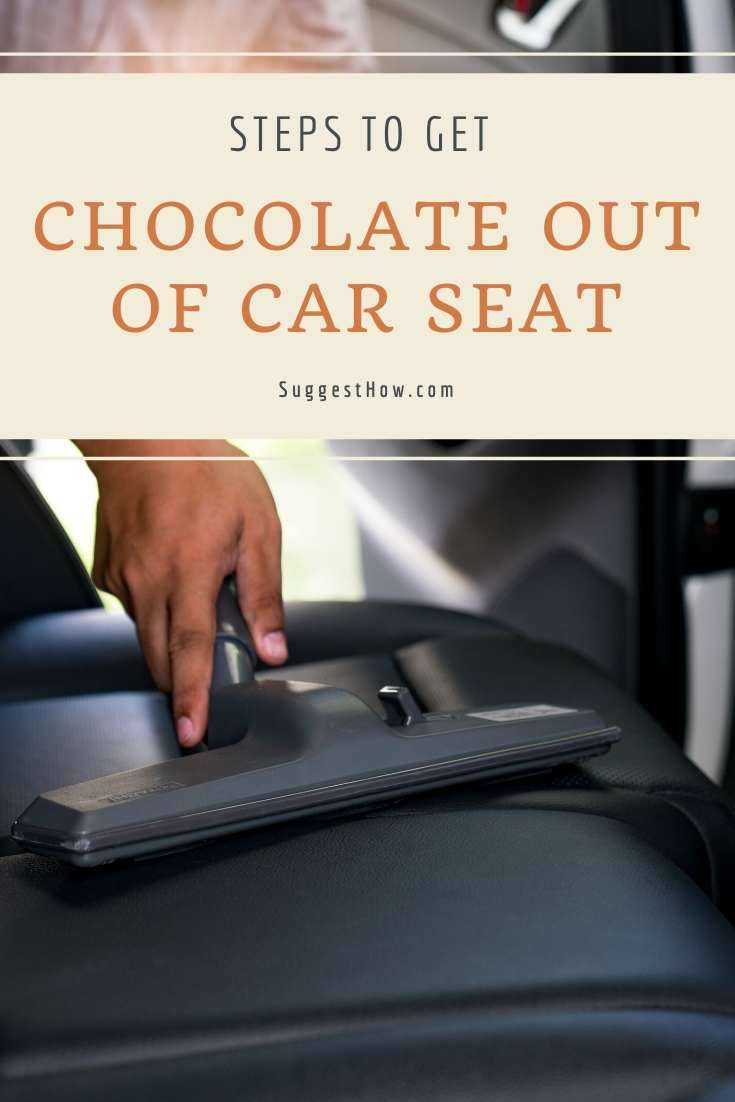
Vacuum the seats often, especially around seams, hinges, and the gap between the seat and center console. Use a soft brush attachment. Avoid pressing a hard vacuum nozzle into the leather.
Body oils and dye can change the surface
Skin oils, sunscreen, hand lotion, and hair products can build up on leather. Dark blue denim can also transfer dye to light seats. This transfer is often easier to prevent than to remove.
Wipe high-contact areas such as the steering-side bolster, seat belt area, and headrest. Clean marks early, before they bond with the finish.
Sharp objects cause permanent damage
Keys, tools, pet claws, metal belt hardware, and child-seat parts can scratch or puncture the surface. A cleaner cannot repair a cut or tear.
Use care when placing bags, tools, sports gear, and child equipment on the seats. Put sharp items in the cargo area or inside a soft bag.

How to Protect Leather Car Seats Step by Step
The safest routine is simple. Always test a product in a hidden area first, and stop if the color or finish changes.
1. Read the owner’s manual
The owner’s manual takes priority over general leather-care advice. Vehicle makers may list approved cleaners, banned ingredients, and special rules for ventilated or heated seats.
Search the manual for terms such as:
- Leather
- Upholstery
- Interior cleaning
- Perforated seats
- Heated seats
- Ventilated seats
- Child restraint
- Airbag
Some manuals warn against alcohol, bleach, solvents, household cleaners, saddle soap, or silicone-based products. The exact rule depends on the vehicle and material.
2. Remove loose dirt
Park in a cool place. Open the doors so the seats are not hot.
Remove items from the cabin. Vacuum the seat surface, seams, creases, and seat tracks. Use a soft brush attachment. Do not scrub dry dirt into the leather.
If sand or grit remains, lift it with the vacuum or a soft brush. Avoid using a stiff brush on the finish.
3. Clean a small test area
Choose a hidden spot, such as the lower side of the seat. Apply a small amount of the cleaner to a microfiber cloth, not directly to the seat.
Wipe the test area gently. Wait until it dries. Check for:
- Color transfer
- Dark or light spots
- A sticky feel
- A dull or shiny patch
- Cracking or swelling
- A change in texture
If you see a problem, do not use that product on the rest of the seat.
4. Clean the seat in small sections
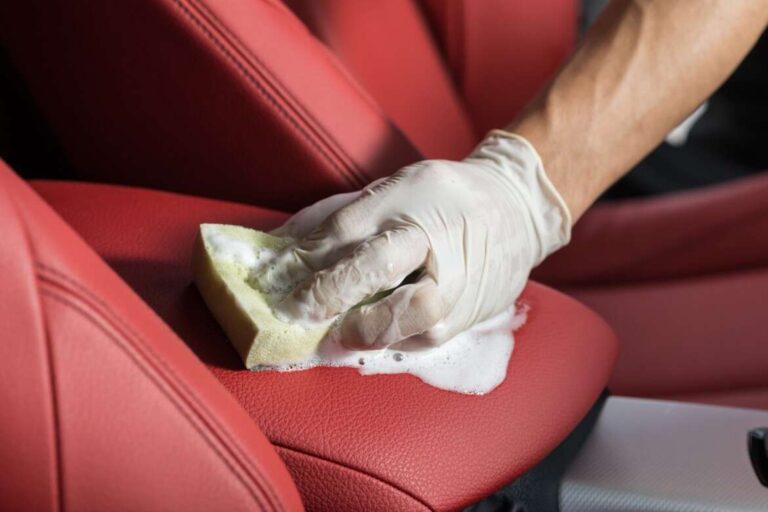
Work in sections of about one seat panel at a time. Use light pressure. A clean, damp microfiber cloth is often enough for light dust and fresh marks.
For more dirt, use a small amount of a cleaner labeled for your specific seat material. Do not soak the leather. Keep liquid away from seams, buttons, controls, perforations, and seat belt hardware.
Wipe away cleaner residue with a second damp cloth. Then dry the area with a clean towel.
5. Remove spills quickly
Blot liquid with a dry cloth. Do not rub the spill outward.
For water, blotting may be enough. For drinks, food, sunscreen, or grease, use the vehicle maker’s recommended cleaner. Dried sugar and milk can leave odor and residue, so deal with them as soon as possible.
If a spill reaches the cushion, seam, or perforation holes, professional cleaning may be safer than adding more liquid.
6. Apply a protectant only when suitable
A leather protectant may help reduce drying, staining, or surface friction. Its value depends on the seat material and product formula.
Use a product that clearly states:
- The material it supports
- Whether it is safe for coated automotive leather
- Whether it is safe for perforated seats
- Whether it leaves a non-slip finish
- Whether it contains oils, waxes, silicone, or solvents
Apply a thin layer to a cloth. Spread it evenly. Do not saturate the seat. Buff away excess product.
Do not treat the steering wheel, pedals, gear selector, or other controls with a slippery product. Loss of grip can create a safety risk.
7. Let the seats dry
Leave the doors open or windows slightly open in a safe place. Do not use a hair dryer or strong heat to speed drying.
The seats should feel dry, clean, and even. They should not feel oily, tacky, or slick.

How Often Should You Clean and Condition Leather Seats?
There is no single schedule for every driver. Use the table below as a starting point, then adjust for climate, use, and visible dirt.
| Driving condition | Basic cleaning | Deeper cleaning or protectant |
|---|---|---|
| Low use, mild climate, garage parking | Every 2–3 months | About twice a year, if approved |
| Daily commuting | Every 4–8 weeks | About every 3–6 months, if needed |
| Hot, sunny climate | Every 2–4 weeks | Check the surface often; follow the manual |
| Children, pets, food, or frequent spills | As soon as needed | Inspect after each major spill |
| Heavy work, outdoor use, or dusty roads | Every 1–4 weeks | Clean when buildup appears |
These are practical intervals, not universal manufacturer rules. A clean, lightly used seat may need little product. A busy family vehicle may need more frequent wiping but not necessarily more conditioner.
The best sign that your routine works is a clean, even surface with normal grip and no residue. More shine does not mean more protection. A glossy seat may simply have product buildup.

Choosing a Leather Cleaner or Protectant
Choose products by material and finish, not by marketing claims.
Look for material-specific directions
A suitable product should name automotive leather or your exact seat material. “For leather” alone may not be enough. Products for boots, saddles, furniture, and handbags can contain oils or waxes that are not ideal for coated automotive seats.
Your owner’s manual may recommend a mild soap solution instead of a commercial conditioner. Follow that instruction.
Avoid harsh or uncertain ingredients
Unless the vehicle maker allows them, avoid:
- Bleach
- Ammonia
- Acetone
- Nail-polish remover
- Strong solvents
- Abrasive powders
- Household disinfectants
- Rough scrub pads
- Furniture polish
- Saddle soap
- Heavy oils
- Products that leave a slippery film
Alcohol-based wipes deserve special care. They may be useful for some surfaces, but repeated use can affect certain coatings, dyes, and synthetic materials. Use them only when the vehicle maker or product instructions support that use.
Do not confuse cleaning with conditioning
A cleaner removes soil. A conditioner or protectant changes the surface feel or adds a film.
Modern coated leather may not absorb much conditioner. If a product sits on top of the finish, excess can attract dust, transfer to clothing, or make the seat slick.
Protection often comes from regular cleaning, shade, and reduced friction. Conditioning is optional for many factory interiors.

Special Care for Child Seats, Pets, and Heated Seats
Leather care must not interfere with vehicle safety equipment.
Child safety seats
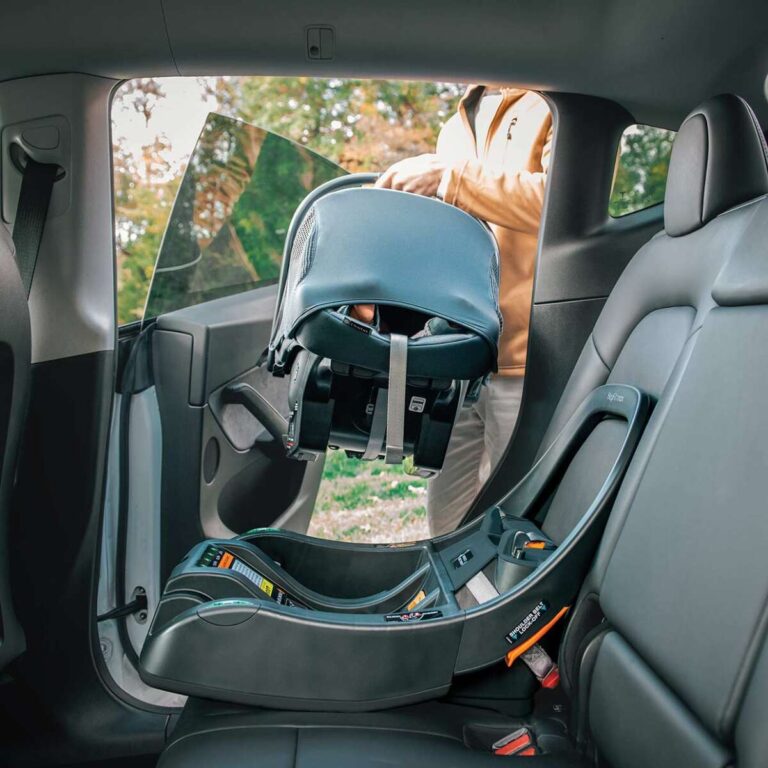
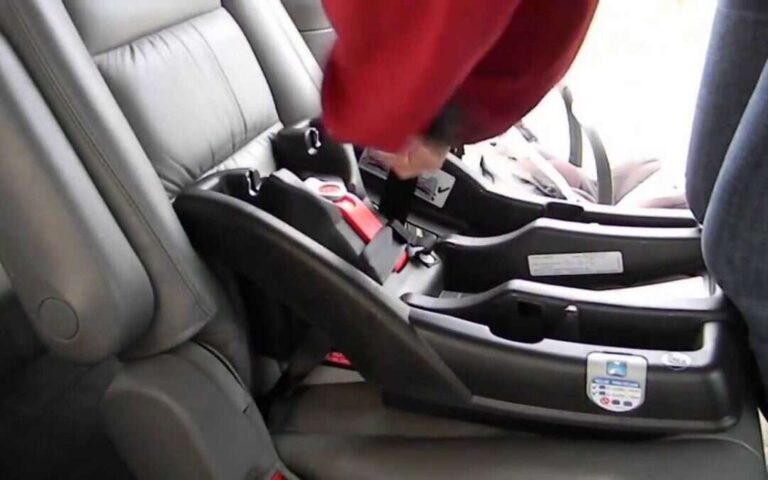
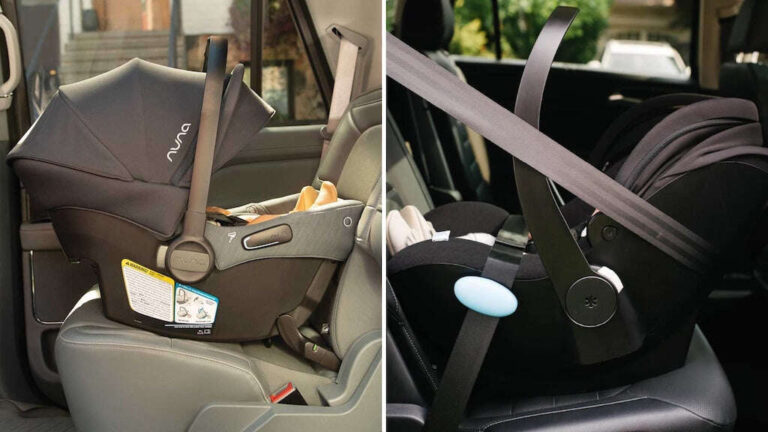
Do not place thick seat covers, cushions, towels, or unapproved pads under a child safety seat. They can change how the restraint fits or how it performs in a crash.
Follow the child-seat maker’s instructions and your vehicle manual. The National Highway Traffic Safety Administration provides guidance on child passenger safety and seat installation.
Clean spills around the child seat, but do not apply oily products where the restraint contacts the vehicle seat. A slick surface may affect stability.
Pets
Pet claws can scratch leather. Use a pet restraint or a properly fitted protective barrier that does not interfere with seat belts or airbags.
A pet cover can reduce hair and dirt, but it must fit the vehicle and allow safe use of restraints. Remove the cover regularly so you can inspect the seat underneath.
Heated and ventilated seats
Do not flood heated or ventilated seats with cleaner. Liquid can enter perforations or affect electrical parts.
Turn the seat functions off before cleaning. Let the seat dry fully before using heat or ventilation. If a seat becomes wet inside, smells unusual, or stops working, have it checked by a qualified technician.

Common Leather Seat Care Mistakes
Several popular habits can shorten the life of a leather interior.
Using too much conditioner
More product does not mean more protection. Heavy layers can attract dust and create a slick surface.
Use a thin layer only when the manual and product directions support it. Remove excess before driving.
Spraying products directly on the seat
Direct spraying can push liquid into seams, controls, holes, and gaps. Spray the cloth instead.
This rule is especially useful for perforated, heated, and ventilated seats.
Scrubbing stains with force
Hard scrubbing can remove color or roughen the finish. Start with blotting and gentle wiping. Repeat with a clean cloth rather than increasing pressure.
If the stain remains, identify it before choosing a stronger method.
Using household wipes without checking
Disinfecting wipes, glass cleaner, and kitchen cleaners may contain chemicals that are too harsh for automotive upholstery. Read the vehicle manual first.
Ignoring the seat bolster
The outer bolster takes repeated friction when people enter and exit. It may wear before the seat center.
Keep keys, belt hardware, and sharp objects away from it. Clean body oils from the bolster often.
Covering seats with unsafe materials
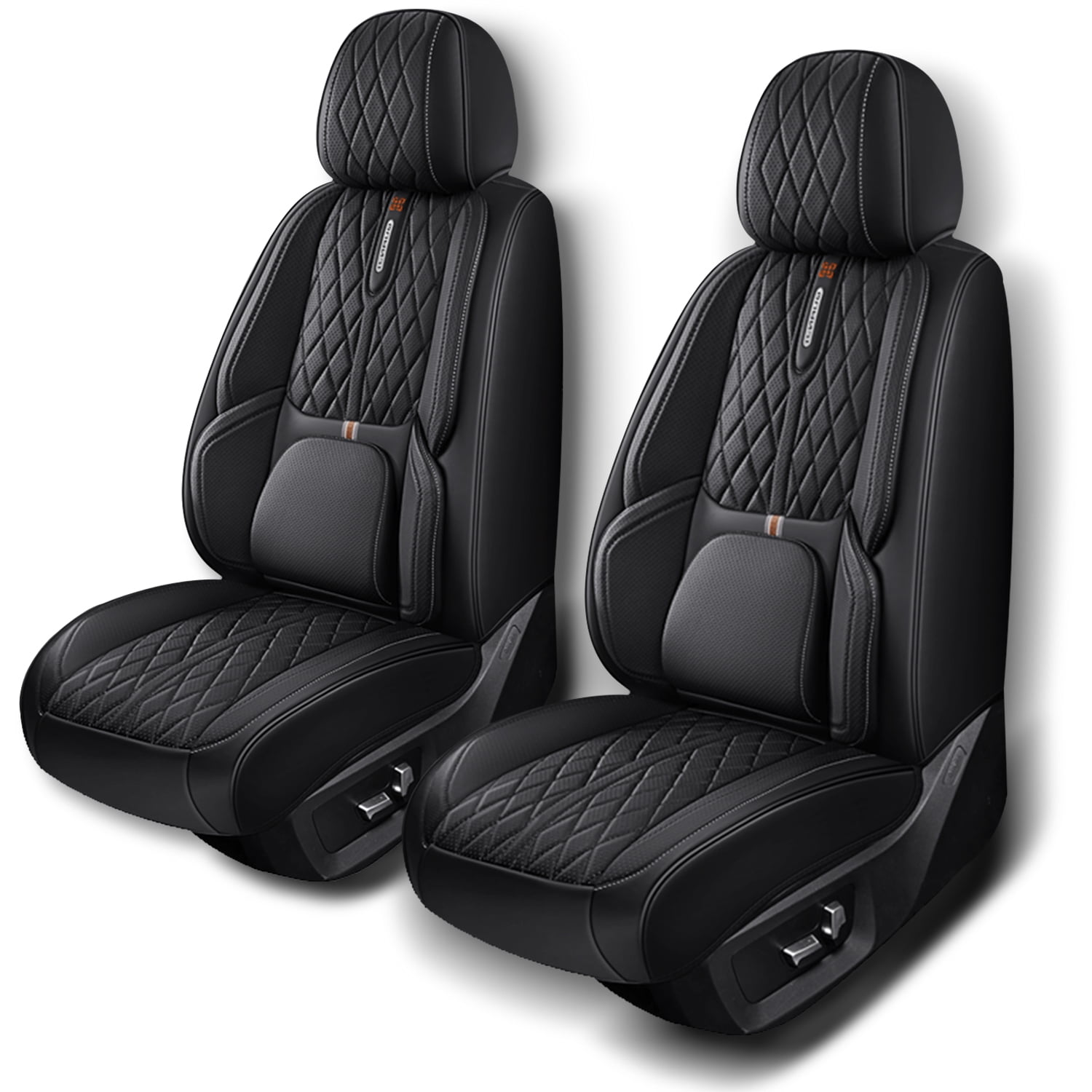
A thick cover can affect seat-mounted airbags, occupancy sensors, heated seats, or side-impact protection. Use only products approved for your vehicle and seat design.
When Leather Seat Damage Needs Professional Help
Home cleaning can remove soil, but it cannot fix every defect.
Seek an automotive upholstery professional when you see:
- A tear or puncture
- Deep cracking
- Peeling or flaking finish
- Permanent dye transfer
- Mold or strong odor inside the cushion
- Water damage near electrical parts
- A failed seam
- Discoloration after using a chemical
- Damage near a seat-mounted airbag
Ask what repair method the shop plans to use. A recolor may improve appearance, but it may not restore the original strength of torn leather. A seat with structural damage or airbag involvement may need inspection by a qualified repair facility.
Do not remove a seat or work around airbag wiring unless you have the required training and service information. Vehicle restraint systems can be dangerous when handled incorrectly.

A Simple Maintenance Plan for U.S. Drivers
Use this short routine to protect leather car seats without over-treating them:
- Park in shade or use a windshield sunshade when practical.
- Vacuum dust and grit from seams and seat gaps.
- Wipe high-contact areas with a clean, damp microfiber cloth.
- Clean spills at once by blotting, not rubbing.
- Use only a compatible product approved by the vehicle maker or clearly labeled for the seat material.
- Apply product to the cloth, never heavily onto the seat.
- Keep liquid out of perforations and seams.
- Check the driver bolster and seat belt area for early wear.
- Keep the steering wheel and controls dry and non-slip.
- Get professional help for tears, peeling, electrical concerns, or deep stains.
If you follow the manual, keep the seats clean, limit sun and heat, and avoid harsh chemicals, your leather interior should remain easier to clean and less likely to develop preventable wear.

Frequently Asked Questions
Can I use baby wipes on leather car seats?
Only if the vehicle maker allows them and the wipes are suitable for the material. Some wipes contain alcohol, fragrance, oils, or other ingredients that may leave residue or affect the finish. A damp microfiber cloth is a safer first choice for light dirt.
Should I use leather conditioner on new car seats?
Not automatically. Many new automotive seats have a protective coating and need only gentle cleaning. Check the owner’s manual. If you use a protectant, test it first and apply a very thin layer.
How do I protect leather seats from the sun?
Use a windshield sunshade, park in shade or a garage, and keep the interior clean. Window tint may help, but tint laws vary by state. Do not rely on conditioner alone to block UV damage.
How do I remove blue jean dye from light leather?
Treat it early with a cleaner approved for the seat material. Blot and wipe gently. Do not use bleach, acetone, abrasive pads, or strong solvents. If the color remains, contact an automotive upholstery professional.
Can I use a seat cover over leather seats?
Only when the cover is compatible with the vehicle. Check for seat-mounted airbags, occupancy sensors, heated or ventilated functions, and child-seat requirements. Avoid covers that block or change the operation of safety equipment.
How do I protect perforated leather seats?
Vacuum gently, keep liquids away from the holes, and apply cleaner to a cloth rather than spraying the seat. Use very little product and let the seat dry fully before using ventilation or heat.
Conclusion
The best way to protect leather car seats is to prevent buildup and excess heat. Vacuum often, clean spills quickly, use gentle material-safe products, and keep direct sun off the interior when possible.
Start with your owner’s manual. If the leather is perforated, heated, ventilated, torn, or badly stained, use extra care or seek professional help. A simple routine will usually protect the finish better than frequent use of heavy conditioners.