

Clean car windows with shade, two microfiber towels, glass cleaner, and gentle overlapping passes for a clear, streak-free finish.
Dirty windows reduce visibility, create glare, and can make driving tiring, especially at night or in bright sun. Learning how to clean car windows the right way is simple, but the small details matter: the cleaner you choose, the towel you use, and the direction you wipe can all affect the result. This guide explains how to clean car windows inside and out, remove stubborn film, protect window tint, and avoid the common mistakes that leave glass cloudy.
Why Clean Car Windows Matter
Clean car windows are more than a cosmetic detail. Windshield dirt can scatter light from headlights and street lamps, while oily film can make glare much worse during rain or nighttime driving.
The inside of the windshield often develops a hazy layer from dashboard vapors, smoke, dust, fingerprints, and plastic outgassing. This film may be hard to see in daylight but becomes obvious when sunlight hits the glass at an angle.
Regular glass cleaning also helps you spot chips, cracks, and damaged tint. A clean window gives you a better view of cyclists, pedestrians, road signs, and vehicles in blind spots.
When learning how to clean car windows, remember that glass is easy to scratch when loose grit is dragged across it. The goal is not to scrub hard. The goal is to lift and remove dirt with clean tools.

What You Need to Clean Car Windows
You do not need a large collection of detailing products. A few safe tools will produce better results than one strong cleaner and an old towel.
Gather these supplies before you begin:
• Two or more clean microfiber towels, preferably with a short or medium pile
• A dedicated automotive glass cleaner
• A bucket of clean water
• A soft microfiber wash mitt or sponge
• A glass-safe drying towel
• A soft brush for window seals and corners
• Cotton swabs for tight spaces
• Isopropyl alcohol diluted with water for stubborn oily film, if safe for your tint
Choose towels used only for glass. Towels that have touched wax, tire dressing, polish, or fabric softener can leave a greasy layer behind. Wash microfiber towels separately, use a mild detergent, and skip fabric softener because it can reduce absorbency.
A household glass cleaner may work on exterior glass, but check its label first. Some products contain ammonia or strong solvents. These ingredients can damage certain window films, weaken adhesive, or leave a haze on aftermarket tint. When in doubt, use an ammonia-free automotive glass cleaner.

How to Clean Car Windows Step by Step
The best time to clean car windows is when the vehicle is parked in the shade and the glass is cool. Hot glass makes cleaner evaporate too quickly, which often causes streaks.
1. Remove loose dust first
Use a dry microfiber towel or a soft brush to remove loose dust from the glass, window seals, and nearby trim. Do not press hard. This first pass prevents grit from turning into tiny scratches during washing.
If the vehicle is very dirty, wash the exterior first. Mud and road grit should not be wiped across dry glass.
2. Clean the outside of the windows
Spray glass cleaner onto the towel rather than directly onto the window when possible. This method reduces overspray on paint, rubber seals, dashboards, speakers, and door panels.
Wipe the glass from top to bottom. Use straight, overlapping strokes instead of random circles. Work on one window at a time so the product does not dry before you remove it.
For heavy dirt, use a damp microfiber towel first. Follow with a second towel to dry and polish the glass. Turn the towel often so you are always using a clean section.
3. Clean the inside of the windows
The inside needs a different approach because it usually has an oily film. Spray a small amount of cleaner onto a microfiber towel, then wipe the glass in long, even passes.
Use vertical strokes on the inside and horizontal strokes on the outside. This simple system helps you identify which side has streaks. If you see a mark running up and down, check the inside. If it runs side to side, check the outside.
Use a second dry towel to buff the glass. Do not keep adding cleaner when streaks appear. Too much product is one of the most common reasons people struggle with how to clean car windows.
4. Reach the lower edge
Lower the side window slightly to expose the top edge hidden inside the rubber channel. Clean that strip before raising the window again.
For the inside of the windshield, place one hand behind the towel and use slow strokes. A short-handled glass tool can help, but avoid pressing the handle or metal edge against the dashboard.
5. Inspect from different angles
Move around the vehicle and view each window in direct and indirect light. A window can look perfect in the shade but reveal streaks when the sun hits it.
If you find a mark, use a clean, dry section of microfiber. Light polishing with a dry towel often removes the residue without adding more cleaner.
How to Clean Car Windows With Window Tint
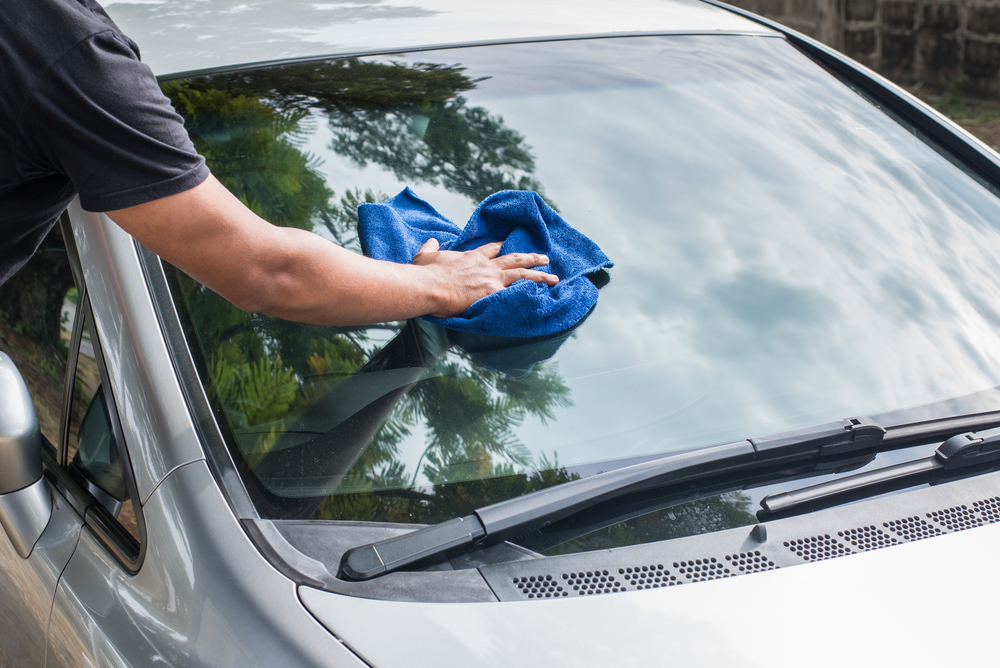
Tinted windows need gentle care. Most modern tint films are durable, but harsh chemicals, rough towels, and sharp tools can damage the surface.
Use an ammonia-free cleaner and a soft microfiber towel. Avoid abrasive pads, paper towels, razor blades, and stiff brushes on tinted glass.
Freshly installed tint may need time to cure. Follow the installer’s instructions before cleaning the inside of the windows. During this period, small bubbles or a slightly hazy look may be part of the curing process.
When learning how to clean car windows with tint, spray the product onto the towel. This keeps liquid away from the film’s edges and reduces the chance of moisture reaching door trim or electronics.
If you are unsure whether a product is tint-safe, test it on a small corner first. Stop if the film changes color, becomes cloudy, or feels tacky.
How to Remove Stubborn Film and Grease
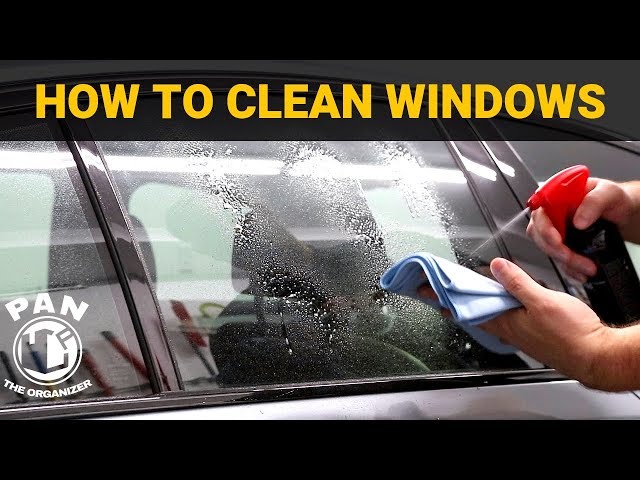
Some windows need more than a normal cleaning. Common causes of stubborn film include cigarette smoke, fingerprints, dashboard vapor, wax overspray, silicone products, and hard-water deposits.
For an oily interior film, use an automotive glass cleaner with a clean microfiber towel. Make several light passes rather than one forceful scrub.
For mineral spots caused by hard water, choose a product labeled for automotive glass and follow the instructions carefully. Test it in a small area first, especially near tint, rubber, painted trim, or delicate coatings.
A clay bar may remove bonded contamination from exterior glass, but it must be used with proper lubrication. Do not use a clay bar on the inside of window tint.
Avoid using a razor blade unless the glass manufacturer and product instructions clearly allow it. A blade can scratch glass, catch on tint, damage defroster lines, or mark a coated surface.
If a greasy haze keeps returning, inspect the dashboard and interior plastics. Some materials release vapors that settle on the windshield. Cleaning the glass helps, but reducing the source gives a longer-lasting result.

How to Clean Car Windows Without Streaks
Streaks usually come from technique, not from a lack of cleaning power. These simple habits make a major difference:
• Clean in the shade, away from hot glass
• Use less product than you think you need
• Work on one window at a time
• Use separate towels for washing and drying
• Fold the towel into several clean sections
• Turn the towel as soon as one side becomes damp or dirty
• Wipe in straight, overlapping strokes
• Finish with a dry microfiber towel
• Keep windshield washer fluid fresh and designed for automotive use
Paper towels can leave lint and may spread oily residue. Old cotton towels can also leave fibers behind. A quality microfiber towel is softer, more absorbent, and less likely to create lint when used correctly.
One lesson I learned from repeated glass-cleaning tests is that “more spray” rarely means “more clean.” Excess cleaner leaves a thin residue. A lightly damp towel followed by a dry towel usually works better.

Common Mistakes to Avoid
Knowing what not to do is a major part of learning how to clean car windows.
Cleaning in direct sunlight
Sunlight heats glass quickly. The product dries before you can wipe it away, leaving uneven patches and streaks.
Using one dirty towel
A towel that has collected dust, wax, or grease will spread that material across the glass. Use fresh towels and wash dirty ones before the next cleaning.
Spraying the dashboard
Overspray can stain textured plastic, soak into buttons, and reach electronic parts. Spray the towel instead, especially when cleaning the inside of the windshield.
Using ammonia on unknown tint
Ammonia can be unsafe for some window films. An ammonia-free automotive cleaner is the safer choice.
Wiping with circular motions
Circles make it harder to find the source of streaks. Straight strokes help you see whether the residue is on the inside or outside.
Scrubbing too hard
Pressure can drag grit across the surface. If dirt does not come off easily, add lubrication and use a cleaner designed for the type of contamination.
Forgetting the edges
The glass edges and rubber channels hold dirt. That grime can run back onto clean glass after the first rain.
How Often Should You Clean Car Windows?
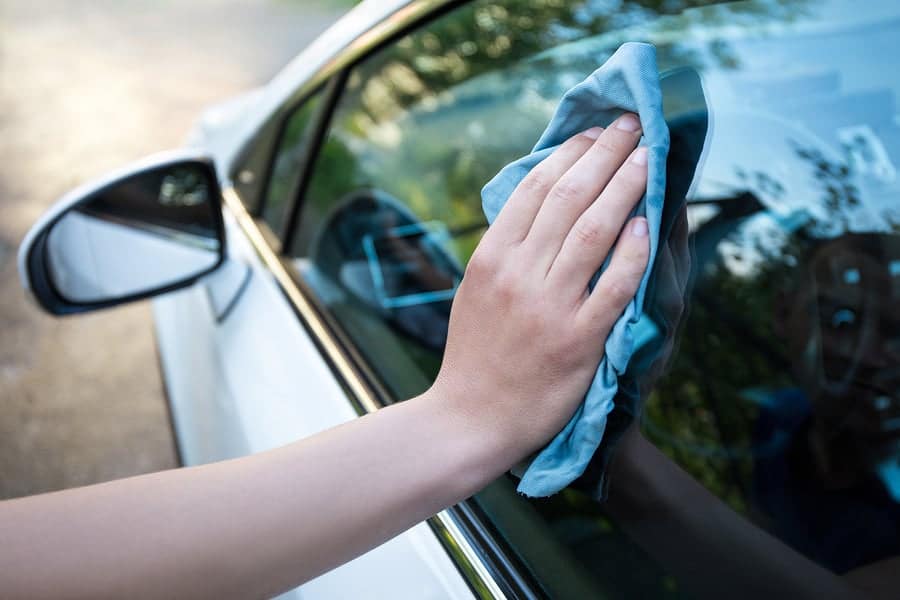
Most drivers should clean the outside of car windows whenever they wash the vehicle. Clean the inside every few weeks or whenever a visible haze appears.
You may need to clean more often if you:
• Drive on dusty or muddy roads
• Smoke or vape inside the vehicle
• Travel with pets
• Park under trees
• Live near the coast
• Use oily dashboard products
• Drive at night often
• Have young children who touch the glass
A quick wipe may be enough for light dust, but greasy film needs a proper two-towel method. Do not wait until visibility is poor. Clean glass is part of safe vehicle care, much like working lights and clear mirrors.
Safety and Environmental Tips
Keep the vehicle parked in a safe place while cleaning. Set the parking brake, turn off the engine, and keep doors secure if you are working near traffic.
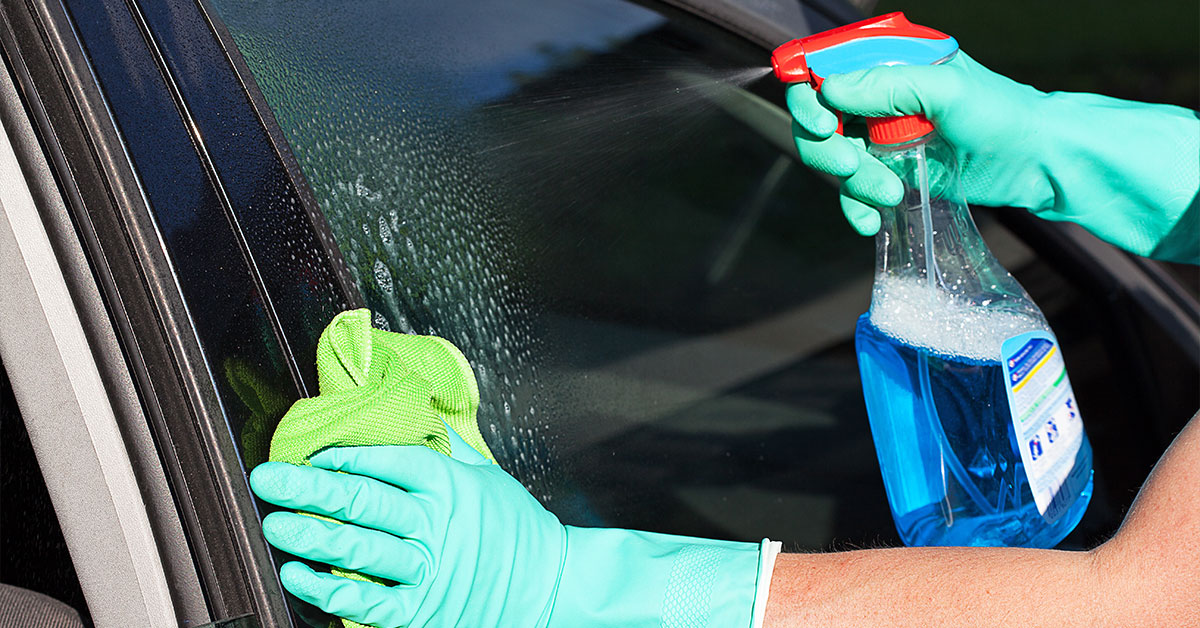
Read the cleaner’s label and follow its ventilation instructions. Avoid mixing cleaning products. Never combine ammonia-based products with bleach or other chemicals.
Use only a small amount of product. This reduces waste and protects nearby surfaces. Dispose of used towels and chemical containers according to local rules.
If glass has a deep scratch, a spreading crack, damaged defroster lines, or badly peeling tint, cleaning will not fix the issue. A qualified glass or tint professional should inspect it.

Frequently Asked Questions About How to Clean Car Windows
What is the best cleaner for car windows?
An ammonia-free automotive glass cleaner is a safe choice for most vehicles, especially those with window tint. Use it with clean microfiber towels and follow the product label.
Can I use vinegar to clean car windows?
A diluted vinegar solution may remove some mineral residue, but it is not ideal for every vehicle surface. Keep it away from tint edges, rubber, leather, and painted trim, and test a small area first.
Why do my car windows keep streaking?
Streaks often come from too much cleaner, hot glass, dirty towels, or residue from wax and interior products. Clean in the shade and use one damp towel followed by one dry towel.
Should I clean the inside or outside of car windows first?
Clean the outside first if the vehicle is heavily dirty because it removes loose road film and grit. For light maintenance, either side is fine, but use different towel sections for each surface.
Is ammonia safe for tinted car windows?
Ammonia is not the safest choice for unknown or aftermarket tint. Use an ammonia-free cleaner to reduce the risk of discoloration, haze, or damage to the film.
Can I use paper towels on car windows?
Paper towels can work in an emergency, but they may leave lint or create streaks. Clean microfiber towels are usually softer, more absorbent, and better for regular glass care.
How do I clean the top edge of a car window?
Lower the window slightly and wipe the exposed glass edge with a damp microfiber towel. Dry it before raising the window so trapped dirt does not spread onto the freshly cleaned surface.
Conclusion
Learning how to clean car windows does not require expensive tools or complicated methods. Work in the shade, remove loose dirt first, use an ammonia-free cleaner when needed, and rely on separate microfiber towels for cleaning and drying.
Pay special attention to the inside of the windshield, window edges, tint, and stubborn oily film. With a gentle two-towel process, you can improve visibility, reduce glare, and keep your vehicle looking well cared for. Try these steps during your next wash, then share your favorite glass-cleaning tip or explore more practical car-care guides.