
Yes, you can trade in a financed car, but you must settle the remaining loan balance.
Many drivers ask, “Can you trade in a financed car?” The answer is yes, but the loan does not disappear when you hand over the keys. The dealer must pay off your current lender, and the difference between your car’s trade-in value and loan balance can greatly affect your next deal. This guide explains the process, costs, risks, and smart ways to protect your budget.
How trading in a financed car works
When you trade in a financed car, the dealership usually contacts your lender and requests a payoff quote. This quote shows the exact amount needed to close your current auto loan on a specific date.
The dealer then applies your vehicle’s trade-in value toward that payoff amount. There are two main outcomes:
• Positive equity: Your car is worth more than the loan balance.
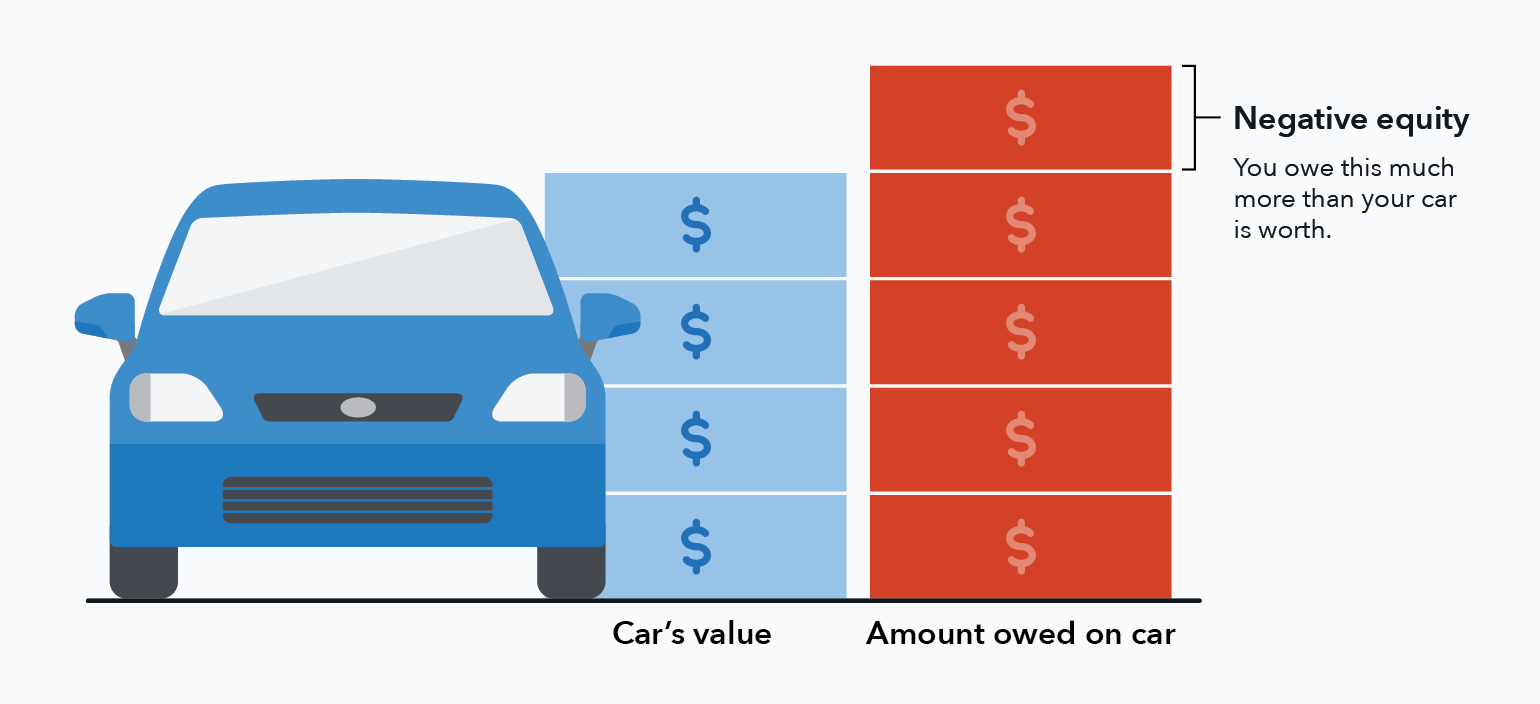
• Negative equity: You owe more than the car is worth.
For example, imagine your car has a trade-in value of $20,000, but your loan payoff is $17,000. You have $3,000 in positive equity. That amount can reduce the price of your next vehicle or cover part of your down payment.
If your car is worth $15,000 but you owe $19,000, you have $4,000 in negative equity. You must pay that difference, or the dealer may add it to your next auto loan.
This is why the answer to “Can you trade in a financed car?” depends on your equity, lender rules, vehicle condition, and the terms of your next loan.

Can you trade in a financed car before paying it off?
Yes, you can trade in a financed car before the loan reaches its final payment. You do not usually need to pay off the loan yourself first. The dealership can handle the payoff as part of the trade-in transaction.
However, the loan must be fully settled. A trade-in does not transfer your old loan to the dealer or erase what you owe. The payoff process simply uses the trade value, your cash, or your new loan to clear the old balance.
Before visiting a dealer, ask your lender for:
• The current payoff amount
• The payoff expiration date
• Any early payoff fees
• Instructions for sending the payment
• The title or lien release process
Do not rely only on the balance shown on your monthly statement. That number may not include daily interest or other charges. The official payoff quote is the figure that matters.
A common mistake is to assume that a dealer’s promise to “pay off your loan” means the debt is free. In many cases, the dealer adds the unpaid amount to the new loan. You still pay it, but it becomes less visible.
How to calculate your trade-in equity
Calculating your equity is simple:
Find your vehicle’s realistic trade-in value.
Request the exact loan payoff amount.
Subtract the payoff amount from the trade-in value.
The formula is:
Trade-in equity = Vehicle trade-in value − Loan payoff amount
Suppose your vehicle is worth $24,000 and your payoff quote is $21,500. Your equity is $2,500.
Now consider the opposite situation. If the car is worth $18,000 and the payoff is $22,000, your equity is negative $4,000. This means you are upside down on the loan.
For a fair estimate, compare several sources:
• Online valuation tools
• Local dealer offers
• Instant cash offers
• Recent listings for similar vehicles
• Appraisals from independent buyers
Use vehicles with similar mileage, trim, age, drive type, and condition. A luxury trim and a base trim may look similar but have very different values.
Remember that online private-party prices may be higher than dealer trade-in prices. Dealers need room for inspection, repairs, advertising, financing, and profit. A private sale may bring more money, but it can take more time and effort.

What happens when you have positive equity?
Positive equity gives you more flexibility. After the lender receives the payoff, the remaining value can go toward your next car.
For example:
• Trade-in value: $26,000
• Loan payoff: $20,000
• Positive equity: $6,000
You could use that $6,000 as a down payment. A larger down payment may lower your monthly payment and reduce the amount of interest paid over the life of the new loan.
You can also choose to receive the equity as cash, depending on the dealer and the transaction structure. In practice, many buyers use it toward taxes, registration, fees, or the next vehicle.
Positive equity can make it easier to trade in a financed car. Still, compare the full purchase price, interest rate, loan term, and fees. A dealer may give you a strong trade offer but charge more for the replacement vehicle.
Focus on the entire deal, not just the monthly payment. A low payment may come from a longer loan term, which can increase the total cost.

What happens when you have negative equity?
Negative equity makes trading in a financed car more expensive. You must cover the gap between the vehicle’s value and the loan payoff.
You have several choices:
• Pay the difference in cash.
• Wait and make more loan payments.
• Make extra principal payments.
• Sell the car privately for a higher price.
• Roll the negative equity into the next loan.
Rolling negative equity into a new loan may seem easy, but it has serious risks. You begin the new loan owing more than the replacement vehicle is worth. This can keep you upside down for years.
For example, you owe $25,000 on a car worth $20,000. If you add the $5,000 difference to a $30,000 replacement vehicle, the new loan may start near $35,000 before taxes, fees, and interest.
The Consumer Financial Protection Bureau has warned consumers to review loan terms carefully when negative equity is included. The Federal Trade Commission also advises shoppers to understand the total cost instead of focusing only on the monthly payment.
If you must roll negative equity into a new loan, reduce the risk by:
• Choosing a less expensive vehicle.
• Making a cash down payment.
• Selecting the shortest affordable loan term.
• Comparing multiple lenders.
• Avoiding unnecessary add-ons.

Steps to trade in a financed car
The process is easier when you prepare before entering the dealership.
1. Check your current loan
Call your lender or log in to your account. Request an official payoff quote and ask how long it remains valid.
2. Estimate your car’s value
Check several trade-in sources. Be honest about damage, worn tires, accident history, and missing equipment.
3. Get more than one offer
Ask different dealers for written trade-in offers. You may also compare a dealer offer with a local online buying service.
4. Separate the trade from the new car price
Negotiate the trade-in value and replacement vehicle price as separate numbers. This makes it harder to hide costs.
5. Review the loan proposal
Check the amount financed, annual percentage rate, loan term, monthly payment, and total interest. Make sure the old payoff is clearly listed.
6. Confirm the old loan closes
After the transaction, contact your former lender. Confirm that the payoff was received and the account shows a zero balance.
7. Watch your credit report
The closed account may take time to appear. Keep all documents until the old loan is marked paid and closed.
This process answers “Can you trade in a financed car?” with a practical yes, but paperwork matters. Keep the buyer’s order, trade-in agreement, payoff statement, and lender confirmation.

Documents you may need
Dealers often request several documents before completing a trade-in.
Bring:
• Driver’s license
• Vehicle registration
• Current loan account details
• Vehicle title, if you have it
• All keys and remotes
• Maintenance records
• Service receipts
• Lienholder contact information
If your lender holds the title, that is normal. In many states, the lender keeps the title until the loan is paid. The dealer and lender can coordinate the title transfer after payoff.
Rules differ by state. Taxes, title fees, registration charges, and lien procedures may change based on where you live. Your state motor vehicle agency and lender can provide the most accurate local information.

Can you trade in a financed car with bad credit?
Yes, you can trade in a financed car with bad credit, but approval for the next loan may be difficult or expensive. Lenders will review your credit history, income, debt, payment record, and the loan-to-value ratio.
Negative equity can make approval harder because the new loan may be larger than the replacement vehicle’s value. A lender may require:
• A larger down payment
• A qualified co-signer
• A cheaper vehicle
• Proof of steady income
• A higher interest rate
Before applying, review your credit reports for errors. You can also ask a bank or credit union for a preapproval. A preapproval gives you a useful limit and helps you compare the dealer’s offer.
Avoid submitting many applications without a plan. Multiple auto-loan inquiries made within a focused shopping period may be treated more favorably by credit-scoring models, but exact treatment can vary. Ask lenders how they handle credit checks.

When is the best time to trade in a financed car?
The best time to trade in a financed car is usually when you have positive equity, stable income, and a clear need for another vehicle. Timing can also improve after you make enough payments to reduce the loan balance.
You may want to wait if:
• You owe much more than the car is worth.
• Your current interest rate is low.
• The next vehicle would stretch your budget.
• Your car has major repair needs that reduce its value.
• You have not saved enough for taxes and fees.
Making payments does not always create equity quickly. New vehicles often lose value early, while loan interest takes up part of each payment. Your equity may grow slowly during the first part of the loan.
Market prices also change. Used-car values can rise or fall based on supply, demand, fuel costs, vehicle type, and local conditions. No valuation tool can guarantee the final dealer offer.
Alternatives to trading in a financed car
Trading in a financed car is not your only option.
Keep the vehicle
Keeping your current car may be the least expensive choice if it is reliable and your loan rate is reasonable. The longer you own it after paying off the loan, the more value you may receive from each payment.
Refinance the loan
Refinancing may reduce your interest rate or monthly payment if your credit has improved. A longer term can lower the payment but may increase total interest.
Sell the car privately
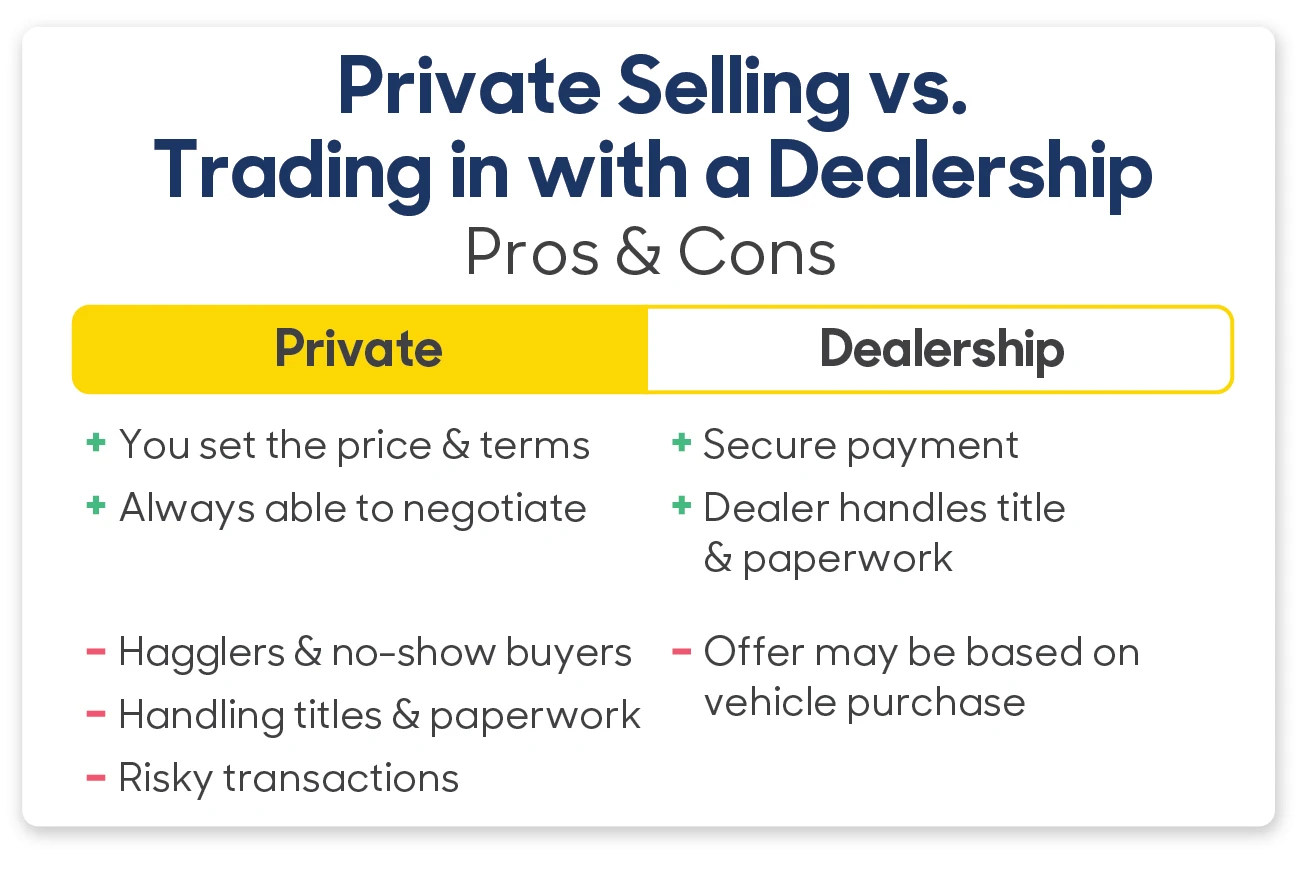
A private buyer may pay more than a dealer. You will need to manage advertising, test drives, payment security, and the lien payoff process.
Never hand over the vehicle before the lender confirms payment and the title process is secure. Use a safe payment method and follow your state’s title rules.
Make extra principal payments
If you are upside down, extra payments may reduce the gap. Confirm that additional payments go toward principal and that your lender does not charge a prepayment penalty.
Buy a cheaper replacement
If your current car no longer fits your needs, choosing a less expensive replacement can prevent a large new loan. This is often safer than trading negative equity into an expensive vehicle.
Fees and costs to watch
The trade-in itself may not have a separate fee, but the full transaction can include many charges.
Review:
• Sales tax
• Title and registration fees
• Dealer documentation fees
• Lender payoff charges
• Optional service contracts
• Guaranteed asset protection products
• Maintenance plans
• Dealer-installed accessories
• Delivery or preparation fees
Ask for an itemized buyer’s order. You should see the selling price, trade allowance, loan payoff, taxes, fees, down payment, and amount financed.
Some states offer a sales-tax benefit on trade-ins. In those states, tax may apply to the difference between the new vehicle price and trade allowance. The rules vary, so confirm the benefit with your state tax authority or dealer.
Do not assume every add-on is required. Optional products should be clearly explained, priced, and agreed to before signing.
Mistakes to avoid when trading in a financed car
A few mistakes can turn a manageable trade into an expensive loan.
• Focusing only on the monthly payment: A long loan can make a costly car look affordable.
• Skipping the payoff quote: The balance on your statement may not be exact.
• Accepting the first trade offer: Several offers create bargaining power.
• Hiding negative equity: It will appear in the paperwork and loan application.
• Mixing negotiations: Keep the vehicle price, trade value, and financing separate.
• Forgetting to remove personal data: Delete contacts, navigation history, garage codes, and connected-app access.
• Leaving items in the car: Check the trunk, glove box, console, and storage areas.
• Failing to confirm payoff: Contact the old lender after the deal closes.
One lesson people often learn the hard way is that a dealer’s “monthly payment” can hide the most important numbers. Ask to see the amount financed and total of payments in writing.
A simple example of a trade-in deal
Consider this example:
• Current vehicle trade value: $22,000
• Current loan payoff: $24,500
• Negative equity: $2,500
• Replacement vehicle price: $28,000
If you roll the negative equity into the next loan, the starting balance could approach $30,500 before taxes, fees, and optional products. The actual figure depends on your down payment, taxes, lender approval, and contract terms.
If you instead pay the $2,500 gap in cash, the new loan may be based mainly on the replacement vehicle price. That can improve the loan-to-value ratio and may help you qualify for better terms.
This example shows why the answer to “Can you trade in a financed car?” should always include a second question: “How much will the trade cost me?”
Frequently Asked Questions About Can You Trade in a Financed Car
Can you trade in a financed car without paying it off first?
Yes. The dealer can usually request a payoff quote and send the required funds to your lender. Any difference between the payoff amount and trade value must be covered with equity, cash, or a new loan.
Can you trade in a financed car with negative equity?
Yes, but you must address the negative equity. You can pay the difference, wait until the balance falls, sell privately, or roll the amount into a new loan.
Does trading in a financed car hurt your credit?
The trade itself does not usually hurt your credit, but applying for a new loan creates a hard inquiry. Missed payments during the payoff and title transfer process can damage your credit, so keep making payments until your old lender confirms the account is closed.
Can you trade in a financed car to a different dealership?
Yes. You are not required to return the vehicle to the dealer where you bought it. Any dealership may evaluate the car and work with your current lender.
Can you trade in a financed car if the lender has the title?
Yes. This is common with auto loans. The lender holds the title or records a lien until the loan is paid, and the dealer coordinates the payoff and title transfer.
Is it better to sell a financed car privately or trade it in?
A private sale may produce more money, but it requires more work and careful lien handling. A trade-in is usually faster and simpler, though the offer may be lower.
Can you trade in a financed car and lower your monthly payment?
Possibly, but a lower payment may come from a longer loan term or a higher amount financed. Compare the annual percentage rate, loan length, total interest, and total payments before deciding.
Conclusion
Yes, you can trade in a financed car, but you must understand the loan payoff and your vehicle’s equity first. Positive equity can help fund your next vehicle, while negative equity may require cash or increase your new loan balance.
Get an official payoff quote, compare trade-in offers, review every fee, and focus on the total cost rather than the monthly payment. Take these steps before visiting a dealer, and you will be in a much stronger position to make a safe, informed decision. Share your experience or explore more auto-financing resources before signing your next contract.