

You can remove most car water spots with a safe wash, vinegar solution, clay bar, or light polish.
Water spots can make a clean car look dull in minutes. They form when water dries and leaves minerals, salt, or soap on the paint. Learning how to remove water spots from car surfaces starts with knowing whether the marks are sitting on top of the paint or have etched into it.
I have worked on many cars with this problem, from light sprinkler marks to old, rough deposits that felt like sandpaper. This guide explains how to remove water spots from car paint safely, what products to use, which mistakes to avoid, and how to stop the spots from coming back.
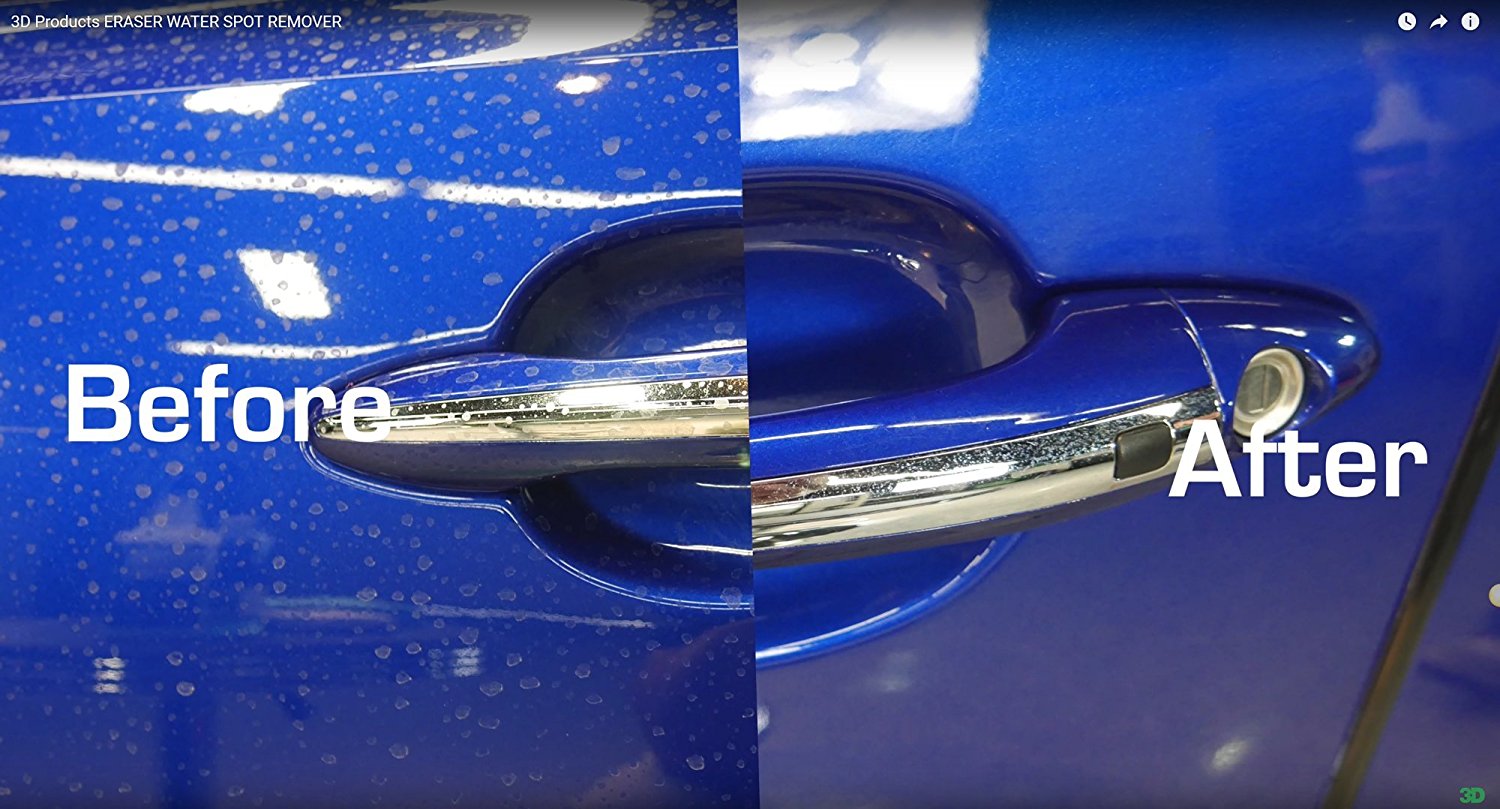
What Are Water Spots on a Car?
Water spots are mineral deposits left behind after water evaporates. Tap water often contains calcium, magnesium, sodium, and other dissolved minerals. When the water dries, these minerals stay on the clear coat.
Rainwater can also leave spots. It may collect dust, pollution, salt, or pollen before it reaches your car. Sprinkler water is often worse because it can contain hard minerals.
Most water spots fall into three groups:
• Type 1 spots sit on the surface and feel smooth.
• Type 2 spots contain bonded mineral deposits that feel rough.
• Type 3 spots have etched into the clear coat and look like faded rings.
The first two types are usually easy to treat at home. Type 3 spots may need machine polishing or help from a professional detailer. Knowing the type helps you choose the safest way to remove water spots from car paint.
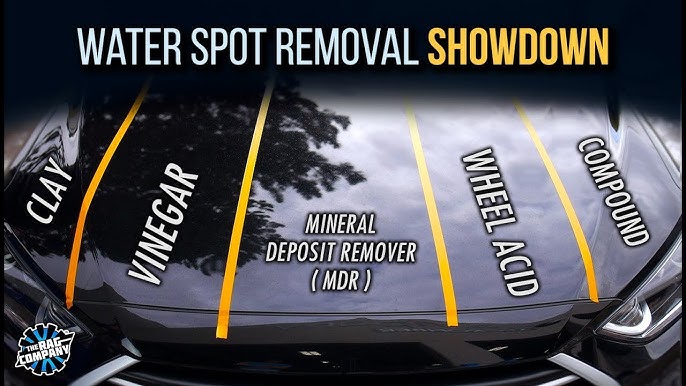
Why Do Water Spots Form?
Water spots form when water dries before you can wipe it away. The sun speeds up evaporation, so hot panels often show marks faster than cool panels.
Common causes include:
• Washing the car in direct sunlight
• Allowing rinse water to dry on the paint
• Parking near lawn sprinklers
• Using hard tap water
• Leaving rainwater on a dirty car
• Using too much soap or a poor rinse method
• Drying with a dirty or low-quality towel
A spot is not always just dirt. Mineral deposits can bond to the clear coat. Acidic rain deposits may also change the surface over time. Bird droppings, tree sap, and road film can make the damage worse by trapping moisture and minerals against the paint.
In my experience, sprinkler water causes some of the hardest spots to remove. A car may look fine after one exposure, but repeated exposure can create a pale ring that needs polishing.

Check the Water Spots Before Cleaning
Before you learn how to remove water spots from car paint, inspect the marks in good light. Do not start with an aggressive product if a mild wash can solve the problem.
Run a clean fingertip over the area after washing it. A smooth surface usually means the mark is etched or lightly stained. A rough surface suggests mineral deposits or bonded dirt.
You can also test a small hidden area first. Good test areas include the lower door, the edge of the trunk, or a small part of the hood.
Look for these signs:
• White or gray rings that sit on top of the paint may be mineral deposits.
• Rough, gritty dots may need a clay bar or chemical spot remover.
• Dark rings may contain dirt, oil, or road film.
• Dull circles that remain after cleaning may be clear coat etching.
• Spots on glass may need a separate glass-safe cleaner.
If the clear coat is cracked, peeling, or badly faded, stop using strong products. Cleaning will not repair failed paint. A body shop may need to sand, repaint, or replace the damaged panel.
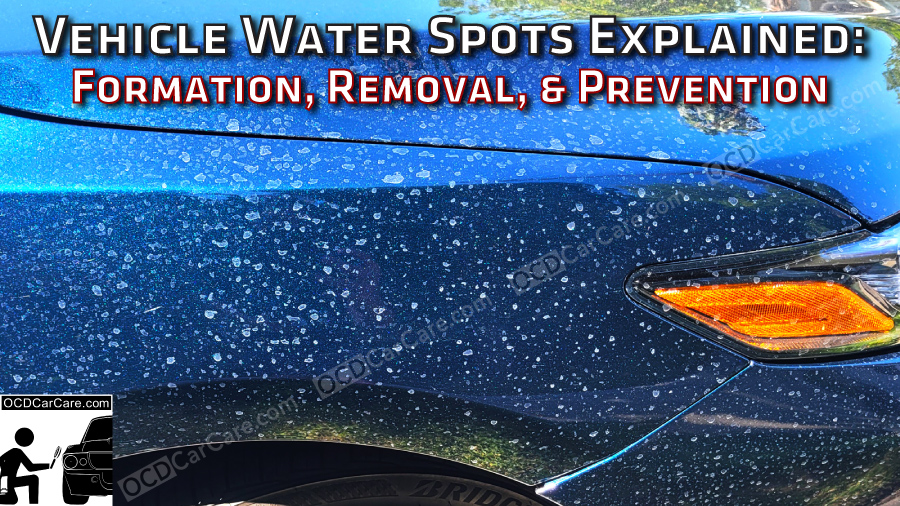
How to Remove Water Spots From Car Paint
Use the mildest method that works. Start with washing, then move to chemical treatment, clay, or polishing only when needed.
Step 1: Wash the Car
Wash the car before treating the spots. This removes loose dust that could scratch the clear coat.
Choose a cool, shaded area. Work on one panel at a time.
You will need:
• Two clean buckets
• Car wash soap
• A soft microfiber wash mitt
• A hose or pressure washer
• Several clean drying towels
Add car soap to one bucket and plain water to the other. Rinse the mitt often. Start at the roof and work downward because the lower panels usually hold more dirt.
Rinse the car well. Do not let the rinse water dry on the surface.
Step 2: Dry the Paint Completely
Use a clean, absorbent microfiber drying towel. Lay the towel flat and pull it gently across the panel. Avoid pressing hard or dragging a towel that has fallen on the ground.
A small amount of water left on the paint can create new spots. Pay close attention to mirrors, trim, window seals, door handles, and emblems. These areas often release water after the main drying step.
Step 3: Try a Vinegar Solution
White vinegar contains acetic acid, which can dissolve some mineral deposits. It may help with fresh, light water spots.
Mix equal parts distilled white vinegar and distilled water in a spray bottle. Spray the solution onto a microfiber towel, not directly onto a hot panel. Wipe a small area, let it sit for about 30 to 60 seconds, and then rinse.
Do not let vinegar dry on the paint. Do not use it on hot surfaces. Test it first because some finishes, wraps, and coatings may react differently.
Vinegar is not a magic fix. It works best on light mineral deposits. It will not restore clear coat that has already been etched.
Step 4: Use a Dedicated Water Spot Remover
A paint-safe water spot remover is often the next step. These products use mild acids or solvents to break down mineral deposits.
Read the product label before use. Some formulas are made for glass only. Others are safe for automotive paint, wheels, or ceramic coatings.
Apply the product to a cool panel. Work in a small section. Allow the recommended dwell time, then wipe and rinse the area. Never allow the product to dry.
This method is often the best answer for how to remove water spots from car paint when vinegar is too weak but polishing is not yet needed.
Step 5: Use a Clay Bar for Rough Spots
A clay bar can remove bonded particles that washing cannot. It does not dissolve minerals in the same way as an acid-based cleaner, but it can lift deposits from the surface.
Use plenty of clay lubricant. Flatten the clay into a small pad and glide it over the paint with light pressure. Stop when the surface feels smooth.
Fold the clay often to expose a clean side. If the clay falls on the ground, throw it away. Tiny grains can scratch the clear coat.
After claying, wash or wipe the panel and inspect it again. The paint may feel smooth but still show a dull ring. That usually means the mark is etched.
Step 6: Polish Light Etching
Polishing removes a very thin layer of clear coat to level minor defects. A finishing polish may remove light water spot etching. A stronger compound may be needed for deeper marks.
For hand polishing:
Apply a small amount of polish to a soft foam applicator.
Work a small area with light to moderate pressure.
Wipe the residue with a clean microfiber towel.
Inspect the result under bright light.
For machine polishing, use a dual-action polisher if possible. It is generally more forgiving than a rotary polisher for beginners. Keep the pad moving and avoid sharp edges, body lines, and thin paint.
Polishing is not unlimited. Every correction removes some clear coat. If the spot remains after careful polishing, more aggressive work may create more risk than benefit. This is when a paint depth gauge or professional inspection can help.
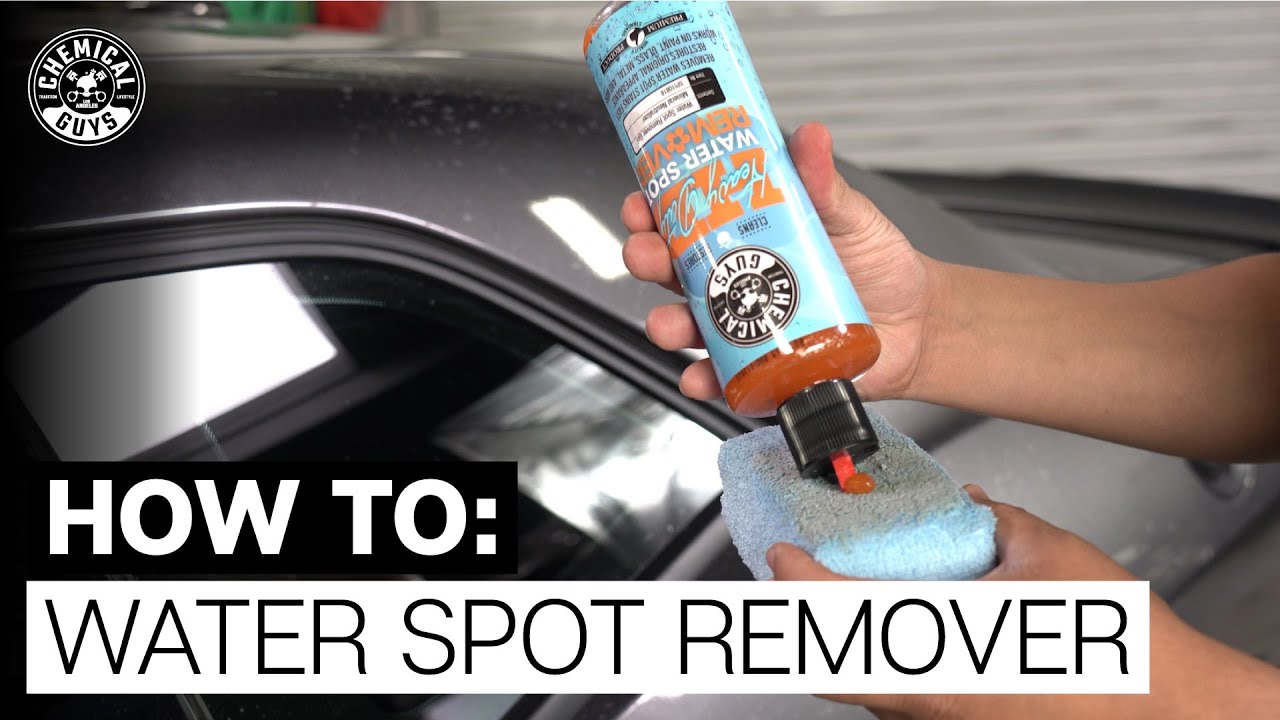
How to Remove Water Spots From Car Glass
Glass needs a different approach from painted surfaces. Mineral spots on windows can become very stubborn, especially when the glass is exposed to heat.
Start with a glass cleaner and a clean microfiber towel. If the marks remain, use a glass-safe mineral deposit remover. Some detailers use a mild polish made specifically for automotive glass.
For small, light deposits, a paste of water and baking soda may provide gentle cleaning power. Use light pressure and test a small area first. Avoid household scouring powders, rough sponges, and razor blades unless you understand the risk of scratching or damaging the glass.
Do not use paint polish or a paint water spot remover on glass unless the label clearly approves it. Products made for different surfaces can leave haze or streaks.

How to Remove Water Spots From a Ceramic-Coated Car
Ceramic coatings can reduce bonding, but they do not make a car immune to water spots. Minerals can still sit on the coating and may become baked on by heat.
Start with a pH-neutral car shampoo. If that does not work, use a coating-safe water spot remover. Check the coating maker’s care instructions before using vinegar, clay, or polish.
Do not polish a ceramic-coated car casually. Polishing may remove or weaken the coating. If the spots have etched into the coating, a professional may need to polish the affected area and apply a new coating layer.
The same caution applies to paint protection film and vinyl wraps. Use products approved for that material. When in doubt, test an unseen area or contact the installer.

Products You May Need
The best products depend on the severity of the marks. You do not need a large collection of detailing chemicals.
A basic water spot removal kit may include:
• pH-neutral car shampoo
• Two buckets with grit guards
• A clean microfiber wash mitt
• High-quality drying towels
• Distilled white vinegar
• Distilled water
• Paint-safe water spot remover
• Clay bar and clay lubricant
• Fine finishing polish
• Soft foam applicators
• Nitrile gloves
Choose clean towels with a soft edge. Avoid towels with trapped grit, rough tags, or fabric softener residue. A towel that looks clean may still scratch paint if it was washed with dirt or dried on a dirty surface.
Use protective gloves when handling acidic cleaners. Work outdoors or in a well-ventilated space, and follow the product label.
Mistakes to Avoid When Removing Water Spots
Many paint problems happen because people use too much pressure or choose a product that is too strong.
Avoid these common mistakes:
• Scrubbing dry paint with a towel
• Using household bathroom cleaner on automotive paint
• Applying vinegar to a hot panel
• Letting a chemical cleaner dry on the surface
• Using a kitchen sponge or rough brush
• Using an abrasive compound before washing
• Working in direct sun
• Reusing a dirty clay bar
• Polishing one spot for too long
• Ignoring damaged or peeling clear coat
One mistake I made early in detailing was chasing a stubborn ring with too much hand pressure. The spot did not disappear, but the area became hazy. A finer polish and better lighting would have saved time and effort.
Think of clear coat as a thin skin, not a deep layer of paint. It can be corrected, but it cannot be removed without limits.
How to Prevent Water Spots on Your Car
Prevention is easier than correction. The main goal is to keep water from drying on the paint.
Use these habits:
• Wash the car in the shade
• Wash one section at a time
• Rinse before the soap dries
• Dry the car right after rinsing
• Use filtered or deionized water when possible
• Keep the car away from sprinklers
• Remove fresh rain or sprinkler water quickly
• Apply a quality wax, sealant, or coating
• Clean bird droppings and sap as soon as possible
A wax or paint sealant may make future cleaning easier, but it cannot stop every water spot. It adds a barrier between the surface and contaminants. Ceramic coatings can also help, but proper maintenance remains important.
If you live in an area with hard water, a water filter or deionization system can reduce mineral deposits during washing. Another simple option is to use distilled water for a final wipe on small areas.
When to Call a Professional Detailer
You can handle many cases of how to remove water spots from car paint at home. Professional help makes sense when the spots are deep, widespread, or located on expensive finishes.
Contact a detailer if:
• Spots remain after a careful wash and chemical treatment
• The paint looks cloudy or heavily etched
• The vehicle has delicate single-stage paint
• The car has a ceramic coating or paint protection film
• You do not own a machine polisher
• You are unsure how much clear coat remains
A skilled detailer can inspect the paint, measure thickness when needed, and choose the least aggressive correction method. Ask what level of correction the service includes. A good detailer should explain the risks instead of promising that every mark will vanish.
Deep etching may not be fully removable without removing too much clear coat. A safer result may mean reducing the appearance rather than chasing perfect correction.
Frequently Asked Questions About How to Remove Water Spots From Car
Can vinegar remove water spots from car paint?
Vinegar can dissolve some fresh mineral deposits because it contains mild acetic acid. Use a diluted solution on cool paint, rinse it quickly, and test a hidden area first.
What is the fastest way to remove water spots from car surfaces?
A wash followed by a paint-safe water spot remover is often the fastest method for light or moderate deposits. Do not rush the process by scrubbing, because pressure can create scratches.
Can water spots permanently damage car paint?
Yes, water spots can etch into the clear coat if they remain for a long time or become heated by the sun. Surface deposits may be removed, but etched marks may need polishing.
Does car wax prevent water spots?
Wax can make the surface easier to clean and may reduce mineral bonding. It does not prevent spots completely, especially when hard water dries on a hot car.
Can I use a clay bar to remove water spots?
A clay bar can remove bonded particles and rough deposits from the surface. It may not remove etched rings, and it must be used with plenty of lubricant.
How do I remove water spots from car windows?
Use a glass-safe cleaner or mineral deposit remover made for automotive glass. Avoid rough pads and unapproved chemicals that can scratch or haze the window.
Should I polish water spots by hand or with a machine?
Hand polishing can work for small, light marks. A dual-action machine polisher is more efficient for larger areas, but beginners should practice first and use light pressure.
Conclusion
Learning how to remove water spots from car paint is mostly about using the right method in the right order. Wash and dry the car first, try a mild mineral treatment, use clay for bonded deposits, and polish only when etching remains.
Work in the shade, test every product, and avoid harsh scrubbing. Most important, remember that clear coat is limited. A careful correction is better than removing too much paint while chasing one stubborn ring.
Start with one small panel today, then protect the clean surface with a wax, sealant, or coating. Share your results or explore more car care guides to keep your vehicle looking its best.