How Much Does An Average Car Weigh: Weight Guide
An average car in the United States weighs about 3,000 to 4,000 pounds. A small sedan may weigh closer to 2,800 pounds, while a midsize sedan often weighs 3,300 to 3,700 pounds. Large cars, SUVs, trucks, and electric vehicles can weigh 4,000 pounds or more.
For context, the average new light-duty vehicle sold in the U.S. weighs roughly 4,000 pounds, according to data from the U.S. Environmental Protection Agency (EPA). That figure includes more than traditional cars. It also includes SUVs, pickup trucks, and other light-duty vehicles, which raises the average.
The number that matters most is usually the vehicle’s curb weight: its weight with standard equipment, fluids, and fuel, but without passengers or cargo.

Average car weight by vehicle type
The table below gives practical weight ranges for common vehicles sold in the United States. These are typical curb-weight ranges, not exact limits.
| Vehicle type | Typical U.S. curb weight |
|---|---|
| Subcompact car | 2,400–2,900 lb |
| Compact sedan or hatchback | 2,700–3,300 lb |
| Midsize sedan | 3,200–3,800 lb |
| Full-size sedan | 3,700–4,400 lb |
| Sports car | 3,000–4,000 lb |
| Small crossover SUV | 3,200–3,800 lb |
| Midsize SUV | 3,800–4,800 lb |
| Full-size SUV | 4,800–6,000 lb or more |
| Small pickup truck | 3,500–4,500 lb |
| Full-size pickup truck | 4,500–6,500 lb or more |
| Hybrid car | 3,200–4,200 lb |
| Electric car | 3,500–5,500 lb or more |
The exact weight depends on the engine, drivetrain, battery size, trim level, options, and body style. An all-wheel-drive version can weigh several hundred pounds more than the same vehicle with front-wheel drive.
What is the average weight of a sedan?
A typical sedan weighs about 3,000 to 4,300 pounds:
- Small sedans often weigh 2,700–3,300 pounds.
- Midsize sedans commonly weigh 3,200–3,800 pounds.
- Full-size sedans often weigh 3,700–4,400 pounds.
A basic four-cylinder sedan may be much lighter than a luxury sedan with a larger engine, leather seats, a panoramic roof, and all-wheel drive.
What is the average weight of an SUV?
A typical SUV weighs about 3,200 to 6,000 pounds.
Small crossover SUVs are often near 3,300 pounds. Midsize SUVs may weigh 4,000 to 4,800 pounds. Large three-row SUVs can exceed 5,000 pounds, especially with four-wheel drive and a large engine.
SUVs tend to weigh more than cars because they have taller bodies, larger brakes, more ground clearance, stronger suspension parts, and more interior space.

Curb weight, gross weight, and GVWR explained
The word “weight” can mean several different things on a vehicle specification sheet. These terms are not interchangeable.
Curb weight
Curb weight is the vehicle’s weight when it is ready to drive, normally including:
- Standard equipment
- Engine oil
- Coolant
- Brake fluid
- Other operating fluids
- A specified amount of fuel
It usually does not include passengers, luggage, or extra cargo.
Some automakers use slightly different testing or equipment rules. For that reason, curb weight can vary between a manufacturer’s website, a window sticker, and an owner’s manual.
Gross vehicle weight rating
GVWR means gross vehicle weight rating. It is the maximum total weight the vehicle is designed to carry.
GVWR includes:
- The vehicle itself
- The driver and passengers
– Cargo - Optional equipment
- Fuel
- Accessories
- Tongue weight from a trailer
The GVWR is a safety limit set by the manufacturer. It is not the vehicle’s normal operating weight.
Payload capacity
Payload is the amount of weight a vehicle can carry inside the cabin, in the trunk or bed, and on the hitch.
A simple estimate is:
Payload capacity = GVWR − actual vehicle weight
For example, if a vehicle has a GVWR of 5,500 pounds and weighs 4,100 pounds with fuel, its available payload is about 1,400 pounds. Passengers, luggage, and trailer tongue weight must all fit within that limit.
The exact number should come from the vehicle’s certification label or owner’s manual. Do not rely only on a general internet specification.
Gross combined weight rating
GCWR is the maximum combined weight of the tow vehicle, passengers, cargo, and trailer. It matters when towing.
A vehicle may have enough engine power to move a trailer but still exceed its GVWR, rear-axle rating, or GCWR. Always check the manufacturer’s towing and weight limits before towing.

Why some cars weigh more than others
Vehicle weight is shaped by several design choices. The largest differences usually come from the powertrain, size, safety equipment, and optional features.
Engine and drivetrain
A larger engine often adds weight. A V6 or V8 may weigh more than a four-cylinder engine. Turbochargers, larger cooling systems, stronger transmissions, and bigger exhaust parts can also add mass.
All-wheel drive adds a driveshaft, differential, axles, and related hardware. The increase may range from several dozen pounds to more than 200 pounds, depending on the vehicle.
Battery size
Electric vehicles often weigh more than gas-powered cars of a similar size. Their battery packs can weigh hundreds or even more than 1,000 pounds.
That does not mean every EV is heavier than every gasoline car. A small electric hatchback may weigh less than a large gas SUV. But within a similar vehicle class, the EV usually carries more weight because of its battery.
Body size
Longer and wider vehicles need more material. A large SUV has more steel, aluminum, glass, insulation, seats, and suspension hardware than a compact car.
Size also affects fuel use. A heavier vehicle needs more energy to accelerate, although engine efficiency, aerodynamics, gearing, and electric powertrain design also matter.
Safety equipment
Modern vehicles contain many features that add weight, including:
- Airbags
- Crash beams
- Reinforced passenger compartments
- Advanced seat belts
- Electronic control modules
- Cameras and sensors
- Larger brakes
- Stronger suspension parts
These systems can improve crash protection and vehicle control, but they also add mass.
Trim level and options
A base model is often lighter than a high-trim version of the same vehicle. Weight can increase with:
- Larger wheels and tires
- A sunroof or panoramic roof
- Power seats
- Premium audio equipment
- Heated and ventilated seats
- A larger engine
- Four-wheel drive
- Trailer equipment
- Extra cooling hardware
The difference between two trims can be several hundred pounds.

How to find your car’s exact weight
The most reliable answer comes from the vehicle itself, not from a general average.
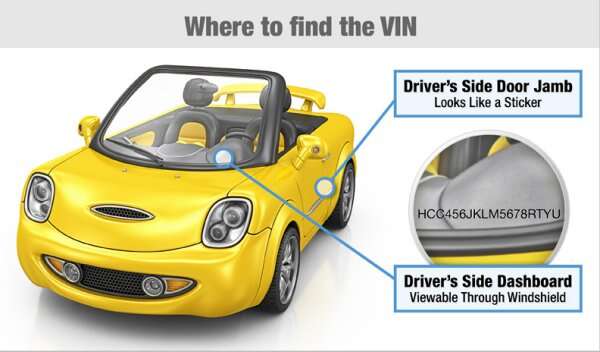
Check the driver’s door label
Open the driver’s door and inspect the doorjamb or door edge. The certification label often lists:
- GVWR
- Front and rear gross axle weight ratings
- Tire and loading information
- Recommended tire pressures
The label may not list curb weight, but it gives important legal and safety limits.
Read the owner’s manual
Search the index for:
- Curb weight
- Vehicle weight
- Loading
- Payload
- Towing
- Gross vehicle weight rating
The manual may list different weights for different engines, drivetrains, body styles, and equipment packages.
Look at the window sticker
A new-car window sticker may list the vehicle’s weight for fuel-economy testing or shipping purposes. Compare the sticker with the owner’s manual if the numbers seem different.
Use the manufacturer’s specifications
Automaker websites often list “curb weight” in the specifications section. Check the exact model year, trim, engine, drivetrain, and body style.
Do not assume that the curb weight of a front-wheel-drive base model applies to an all-wheel-drive model with optional equipment.
Weigh the vehicle on a certified scale
For the actual current weight, use a certified public scale, such as one at a truck stop or waste facility. Ask whether the scale can weigh a passenger vehicle.
For a useful result:
- Remove items you do not normally carry.
- Keep the usual fuel level if you want a normal operating weight.
- Weigh the vehicle with no passengers if you want a basic vehicle weight.
- Weigh it again with passengers or cargo if you are checking payload.
- Keep the scale ticket for your records.
A scale measurement is more useful than a brochure figure when you have added a roof rack, winch, lift kit, aftermarket wheels, camping gear, or other equipment.

Why vehicle weight matters
Knowing a car’s weight helps with safety, towing, fuel use, registration, and transport.
Fuel economy and electric range
A heavier vehicle generally needs more energy to accelerate. In a gasoline vehicle, that may reduce fuel economy. In an EV, it may reduce range under some driving conditions.
Weight is only one factor. Aerodynamics, tire design, weather, speed, temperature, battery size, and driving style can have a major effect.
Braking and handling
A heavier vehicle has more momentum at the same speed. Its brakes, tires, suspension, and electronic stability systems must manage that energy.
Vehicle weight alone does not determine safety. Crash structure, tire grip, brake design, center of gravity, driver assistance systems, and driver behavior also matter.
Towing and hauling
Weight becomes especially important when towing. The trailer’s loaded weight, tongue weight, passengers, cargo, and accessories all count toward the vehicle’s limits.
Before towing, compare the real load with:
- GVWR
- GCWR
- Maximum trailer weight
- Maximum tongue weight
- Front and rear axle ratings
- Hitch rating
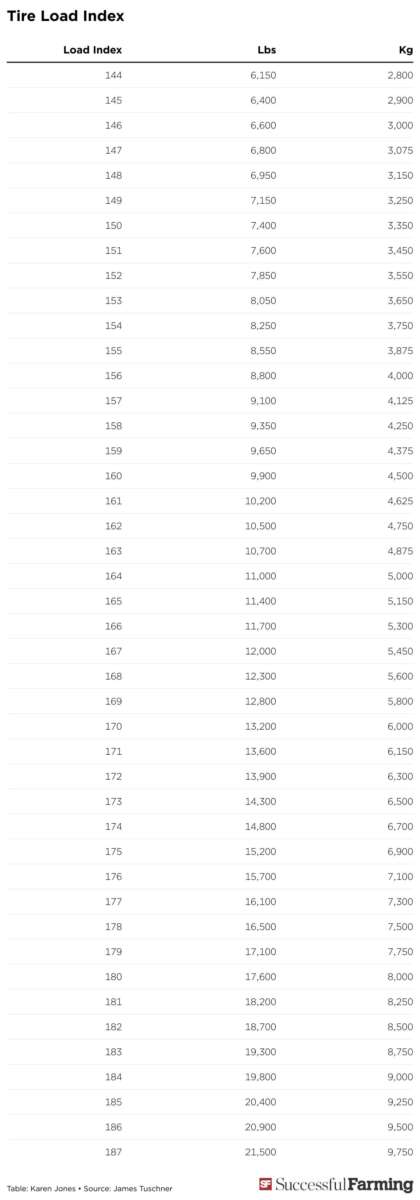
- Tire load rating
Use the lowest applicable limit. A trailer that falls below the advertised maximum may still exceed the vehicle’s payload or axle limits once people and cargo are added.
Vehicle transport and shipping
A carrier, ferry, train, or auto transporter may ask for curb weight, total weight, or dimensions. Tell the provider whether the vehicle contains cargo.
Electric vehicles may require special loading instructions after a crash or when the battery is damaged. Follow the manufacturer’s instructions and the transport company’s requirements.
Road, bridge, and parking limits
Most ordinary passenger vehicles are well below standard road weight limits. However, a heavily modified truck, motor home, trailer combination, or commercial vehicle may approach a posted limit.
Follow posted signs and local rules. Do not use curb weight to decide whether a loaded vehicle is legal. Use its actual loaded weight and the applicable rating.

How much does a car weigh in kilograms?
To convert pounds to kilograms, multiply the weight in pounds by 0.4536.
Examples:
- 2,800 lb ≈ 1,270 kg
- 3,200 lb ≈ 1,451 kg
- 3,500 lb ≈ 1,588 kg
- 4,000 lb ≈ 1,814 kg
- 5,000 lb ≈ 2,268 kg
To convert kilograms to pounds, multiply kilograms by 2.205.
A 3,500-pound car weighs about 1,588 kilograms. The vehicle’s specification sheet may use either unit, depending on the market and manufacturer.

Common mistakes when checking car weight
Confusing curb weight with GVWR
GVWR is a maximum rating. It is not the normal weight of the empty vehicle.
Ignoring passengers and cargo
Four adults, luggage, tools, and sports gear can use much of a small vehicle’s payload. Add trailer tongue weight, and the total can rise quickly.
Comparing different versions
A model name may cover several vehicles with different engines, body lengths, battery sizes, and drivetrains. Compare the exact version.
Trusting an old specification
A vehicle can gain or lose weight during a model refresh. New safety equipment, a larger battery, or a different transmission can change the figure.
Using weight as the only safety measure
A heavier car is not automatically safer. Safety depends on the full vehicle design, crash performance, tires, restraints, and how the vehicle is driven.
Treating an estimate as a legal limit
A general range is useful for comparison. It is not a substitute for the vehicle label, owner’s manual, certified scale reading, or towing guide.
Frequently asked questions
Is 3,000 pounds heavy for a car?
No. A 3,000-pound car is within the normal range for a compact or midsize vehicle in the United States. Small cars may weigh less, while large sedans, SUVs, and trucks often weigh much more.
Are electric cars heavier than gas cars?
Often, yes, when comparing vehicles of a similar size. The battery pack adds substantial weight. However, a small EV can still weigh less than a large gasoline SUV or pickup.
How much does a car weigh with passengers?
Add the weight of every passenger, suitcase, tool, and accessory to the vehicle’s actual curb weight. For example, a 3,400-pound car carrying four 175-pound adults has at least 4,100 pounds before adding luggage.
Does car weight affect insurance?
It can affect risk and repair costs, but insurers use many factors. These may include the model’s claims history, repair cost, theft rate, safety features, location, driver record, coverage, and use. Weight alone does not determine an insurance price.
Where can I weigh my car?
Public truck scales, some waste facilities, agricultural scales, and vehicle inspection businesses may weigh passenger cars. Call first to confirm that the scale accepts cars and ask whether you can receive a printed weight ticket.
Bottom line
The average car in the U.S. weighs about 3,000 to 4,000 pounds, while the average new light-duty vehicle is closer to 4,000 pounds or slightly above because SUVs and pickup trucks are included.
For a useful estimate, start with the vehicle type. For an exact answer, check the model’s specifications or use a certified scale. If you are towing or hauling, focus on GVWR, payload, axle ratings, and GCWR—not curb weight alone.